RHODODENDRON CAT CHIONOIDES ACORN FARMS
CHIONOIDES CATAWBA RHODODENDRON

RHODODENDRON CAT CHIONOIDES

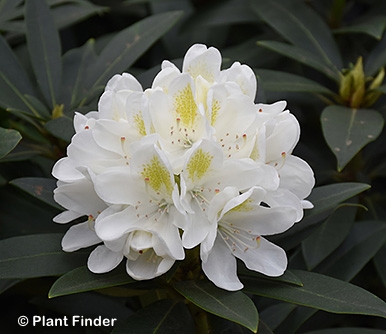
Rhododendron catawbiense 'Chionoides'
photo copyright Acorn Farms Inc

CHIONOIDES CATAWBA RHODODENDRON

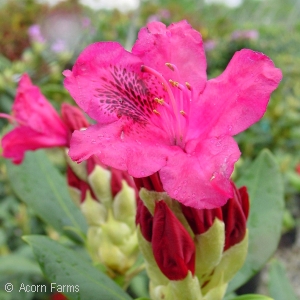
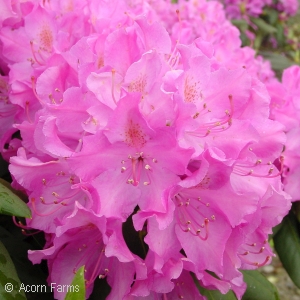
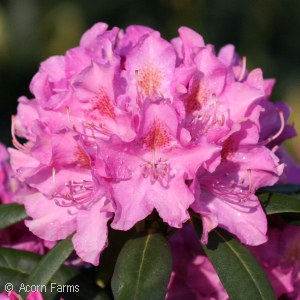
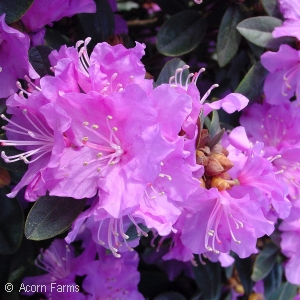
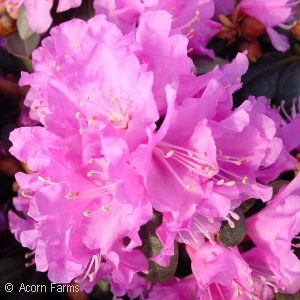
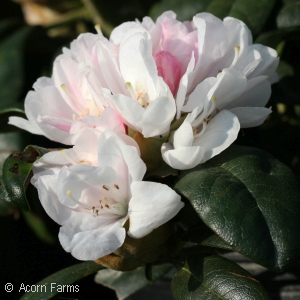
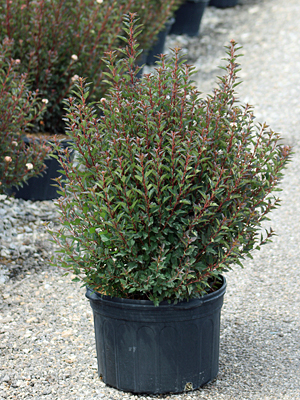
Rhododendron catawbiense 'Chionoides' is commonly referred to as Chionoides Catawba Rhododendron. It is a dense, compact, multi-stemmed evergreen shrub with an upright, spreading habit. It features white bell-shaped flowers with yellow blotched throats in late May.

Chionoides Catawba Rhododendron is easy to grow and thrives in filtered sun. Morning sun and afternoon shade or as an understory plant is best. It enjoys rich, acidic, fertile, evenly moist, well-drained soils. It is ideal for shrub borders and along woodland areas. Any pruning should be done right after flowering.
Scroll table horizontally to view all stock & quantities →
PLANT SIZE TYPE GALENA ADD'L DIG SOON
RHODODENDRON CAT CHIONOIDEScon 315-18 in5000

Current inventory will be listed above this line. Contact Sales Rep for details. |

KEY:
con = containers - available now
Galena = Above ground and available now
Additional = Remote location, call rep. Not in Shop.
Dig = Still in ground, call rep. Not in Shop (in orange).
Soon = Coming soon, call rep. Not in Shop.

(BBnPOT - formerly known as GRSTART - are B&B put into a container - they are available now)


See other Catawba Rhododendrons

RHODODENDRON VARIETIES:

Catawba Rhododendrons
Evergreen shrub with large, dark green, leathery foliage - elliptical leaves.

Hybrid Rhododendrons
The small-leaved, small-flowered hybrid rhododendrons rarely exceed 3 feet in height. They are used in foundations, rock gardens and placed in front of taller Rhododendrons.

PJM Rhododendrons
Compact, rounded, small-leaved, evergreen shrubs with elliptic, leathery, dark green leaves. Noted for its extreme hardiness.

Yakushima Rhododendrons
Open, multi-stemmed evergreen shrub with an upright, spreading habit and narrow, convex leaves.


Planting Tips ⓘ

To help this plant settle in and thrive, we recommend these standard planting practices: Plant in rich, moist, acidic, and well-draining soil, selecting a location that provides partial shade or filtered light to protect the foliage from harsh, direct sun. These shallow-rooted shrubs require consistent moisture to remain healthy, especially during the first growing season until they are fully established. Prune immediately after the flowering period concludes, as new buds for the next year are set shortly after blossoms fade; removing spent blooms and light tip-pruning encourages a fuller, more vigorous habit. Apply a generous layer of organic mulch around the root zone to conserve moisture and regulate soil temperature, ensuring the material remains a few inches away from the crown to prevent stem rot.


ALSO AVAILABLE:


β˜… ON SALE β˜