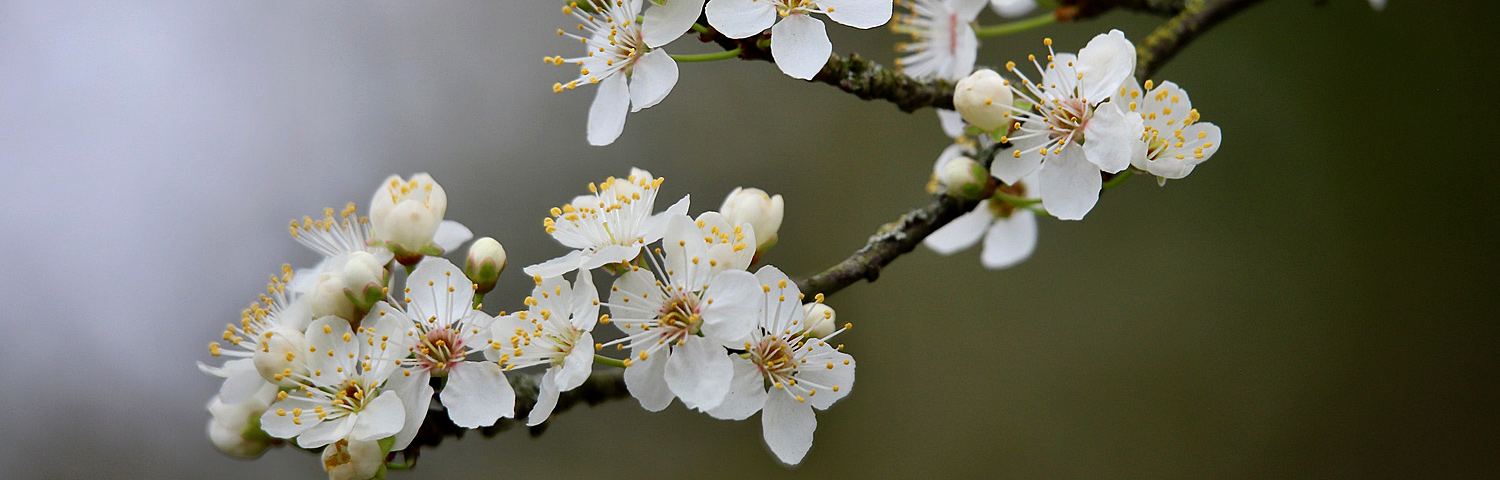

MERICREST NECTARINE
| PLANT | SIZE | TYPE | GALENA | ADD'L | DIG | SOON | |
|---|---|---|---|---|---|---|---|
| No current sizes listed in database. | |||||||
Current inventory will be listed above this line. Contact Sales Rep for details. | Click for key & info
To help this tree settle in and thrive, we recommend these standard planting practices: Plant in deep, fertile, well-draining soil, selecting a location in full sun to ensure the best fruit production and foliage color. This variety is known for its improved disease resistance and hardiness, but like all stone fruits, it requires a site with excellent air circulation to reduce the risk of fungal pathogens; avoid low-lying areas where frost or water can collect.
Provide deep, consistent water during the first few growing seasons until the tree is well established, and monitor soil moisture carefully thereafter, as the tree performs best when soil remains consistently moist but never waterlogged. Prune in late winter or early spring while the tree is dormant to improve structure, remove dead or crossing branches, and encourage productive growth, typically using an open-center system to maximize light penetration throughout the canopy.
More in this Genus:


★ ON SALE ★