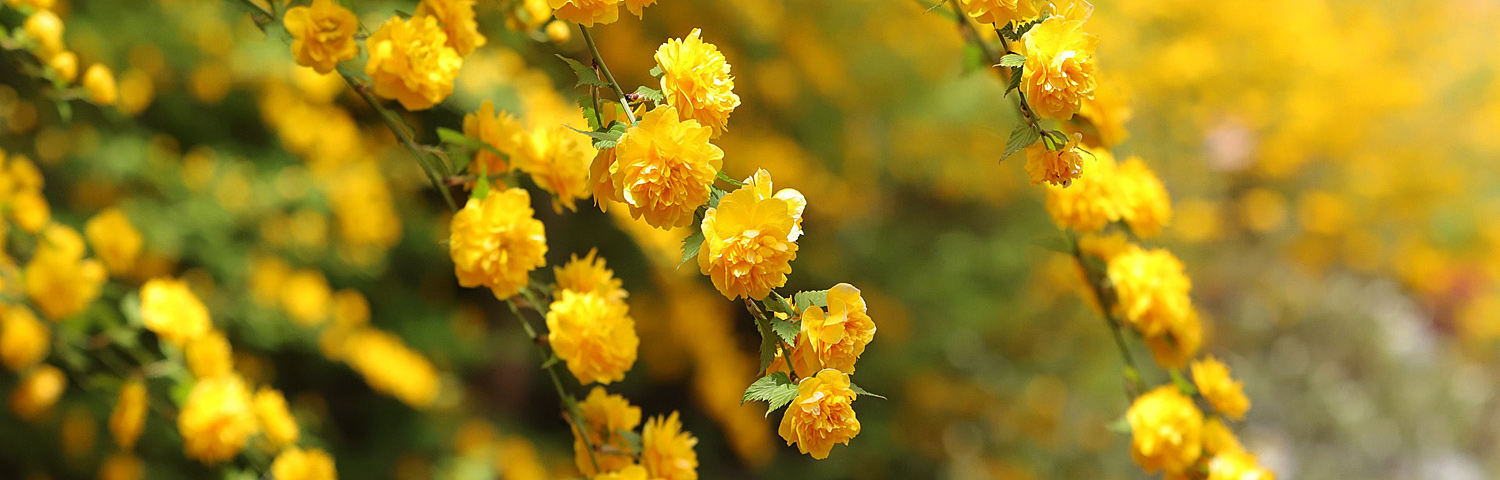
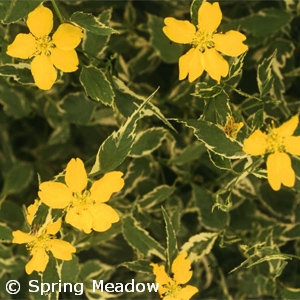
PICTA JAPANESE KERRIA
| PLANT | SIZE | TYPE | GALENA | ADD'L | DIG | SOON | |
|---|---|---|---|---|---|---|---|
| No current sizes listed in database. | |||||||
Current inventory will be listed above this line. Contact Sales Rep for details. | Click for key & info
To help this plant settle in and thrive, we recommend these standard planting practices: Plant in fertile, well-draining soil, selecting a location with partial shade to full sun. While it is adaptable, providing protection from the harsh afternoon sun helps maintain the vibrancy of its bright yellow blooms and prevents foliage scorch, especially in warmer climates. Consistent moisture is essential during the first season of establishment to support vigorous root growth, and the plant will perform best in sites protected from strong, drying winds. Prune immediately after flowering is complete, as this shrub blooms on the previous year's wood. Removing older, spent canes helps manage its natural suckering habit and stimulates the growth of strong, new stems for the next season. Apply a layer of organic mulch around the root zone to conserve soil moisture and suppress weeds, taking care to keep the material a few inches away from the crown to prevent stem rot.
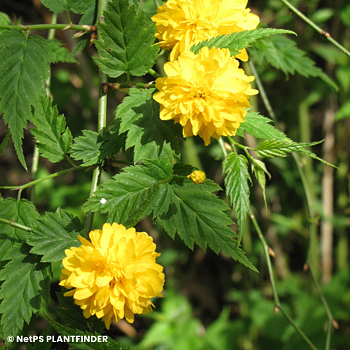
More in this Genus:
★ ON SALE ★