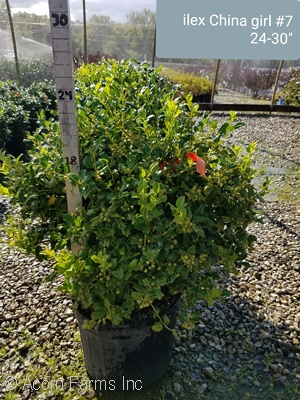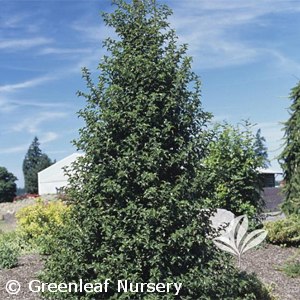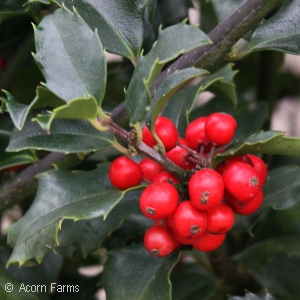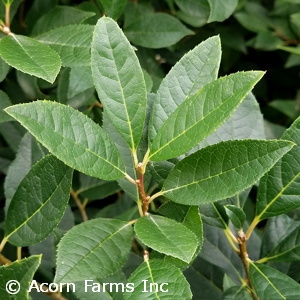
ILEX VER BERRY POPPINS ACORN FARMS

BERRY POPPINS MALE WINTERBERRY HOLLY
ILEX VER BERRY POPPINS

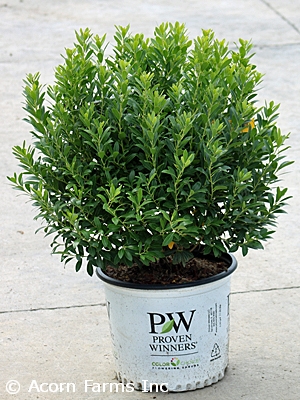
Ilex verticillata 'Berry Poppins' PP25835 Proven Winners® Color Choice® Berry Poppins®

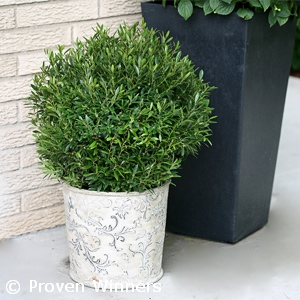
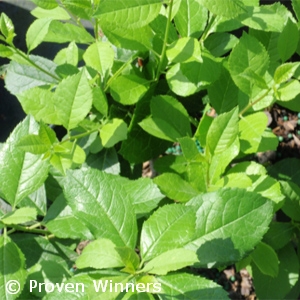
photo courtesy of Proven Winners
ILEX VER BERRY POPPINS
Genus: ILEX
trademark info Protected Series:
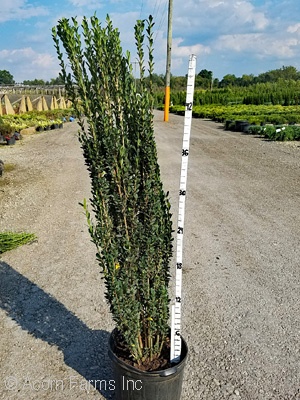
Height: 3-4 Feet Tall
Spread: 3-4 Feet Wide
Color: white flower
Full Sun Plants
Full Sun Deciduous Shrub Plants
Deciduous Shrub
Zone: 3
#1364  
 deer resistant *  birds *  salt tolerant *       native roots *  


BERRY POPPINS MALE WINTERBERRY HOLLY


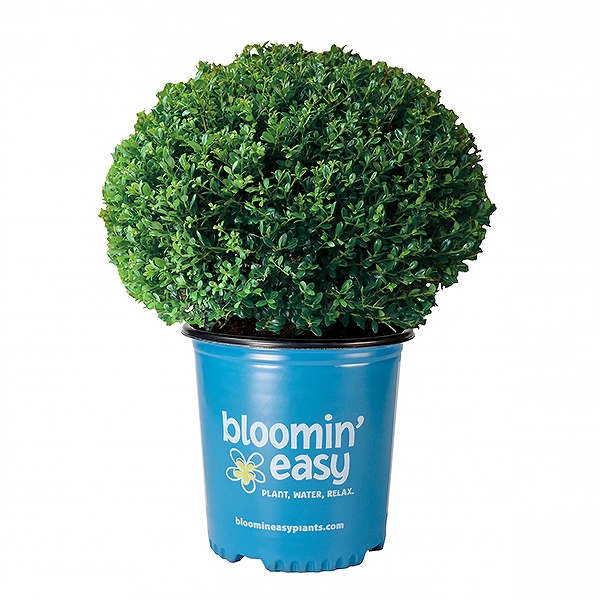
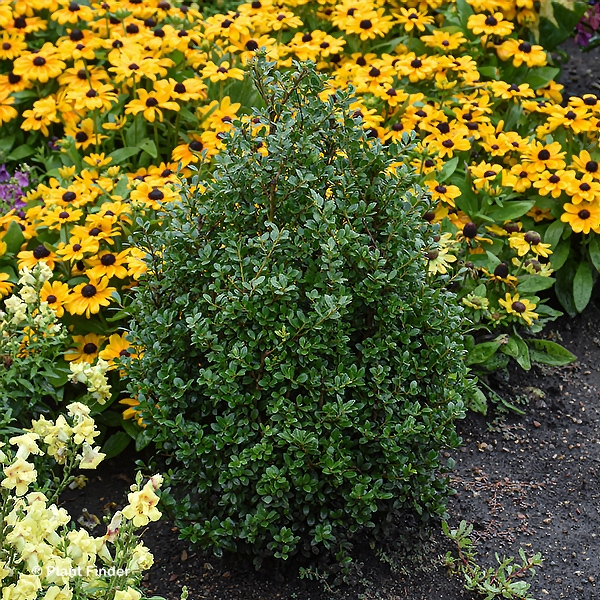
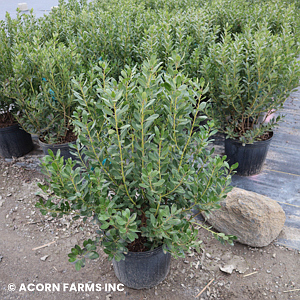
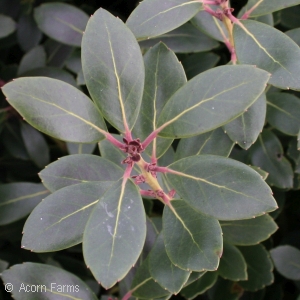
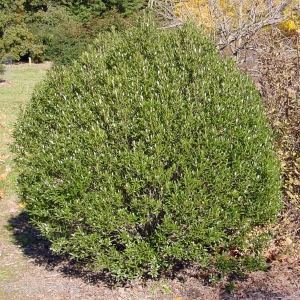
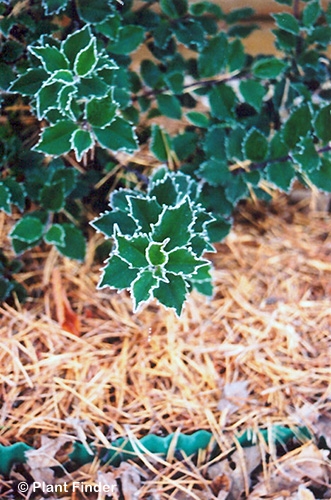
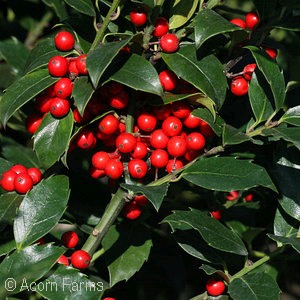
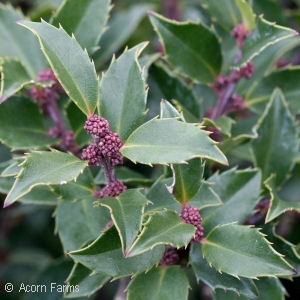
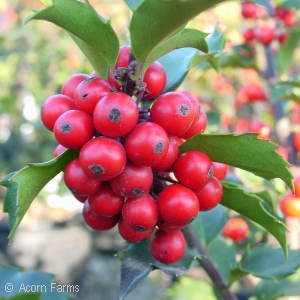
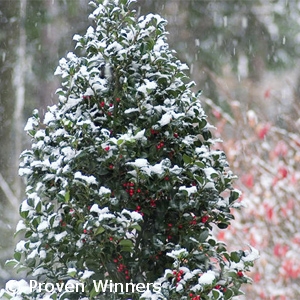
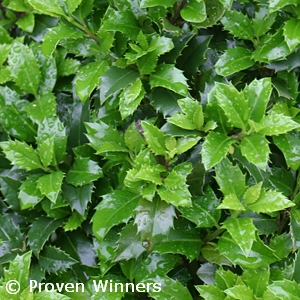
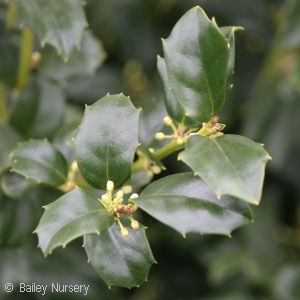
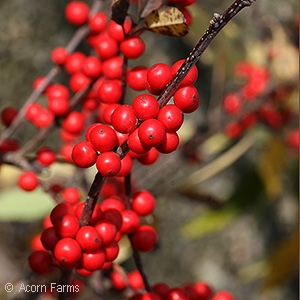
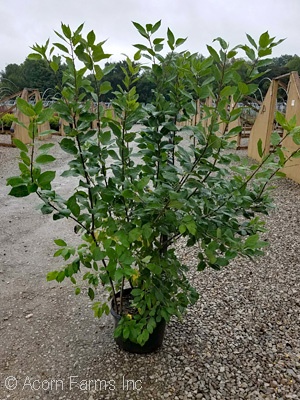
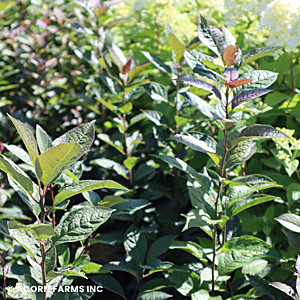
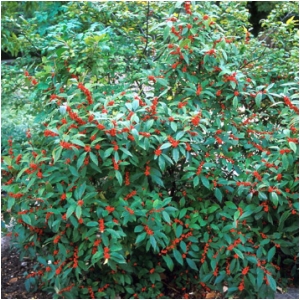
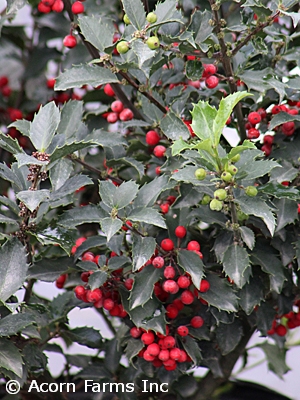
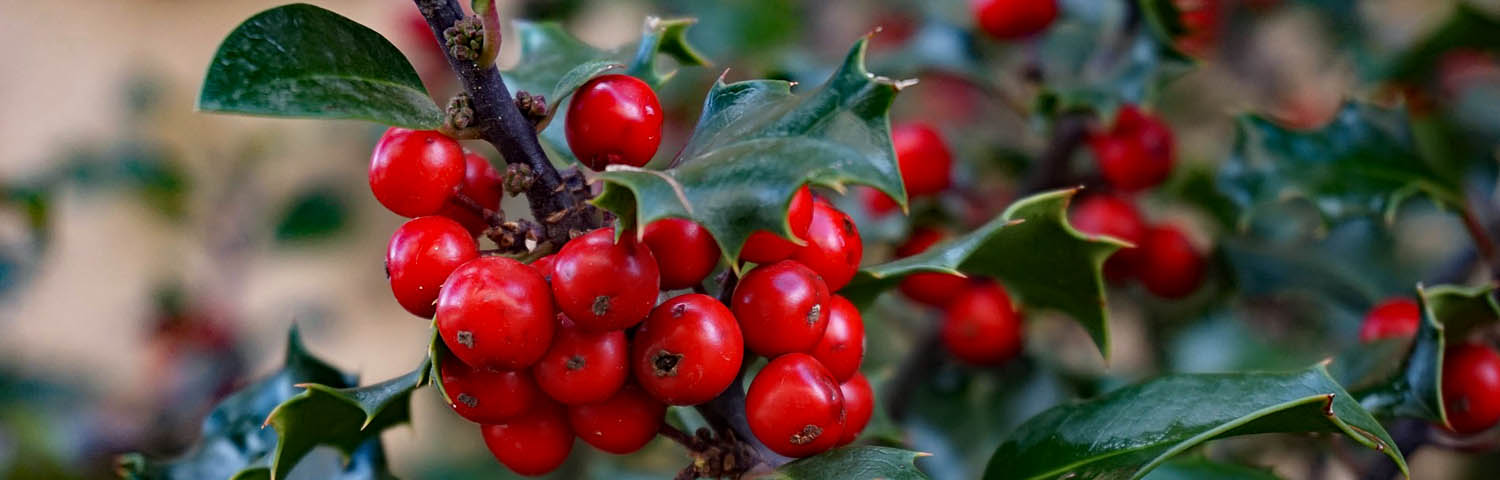
Ilex verticillata 'Berry Poppins' is commonly referred to as Berry Poppins® Winterberry Holly. This Proven Winners® Color Choice® selection is noteworthy for its dwarf, compact habit that can brighten and fit small spaces. This native, female, deciduous winterberry holly reaches only 3-4 feet tall and wide. It has bright red fruit from fall through winter, but will require a male pollinator to set fruit such as Mr. Poppins® Winterberry Holly. One male plant will pollinate up to 5 female plants within 50' of one another.

Berry Poppins® is deer resistant and thrives in full to filtered sun in rich, organic, acidic, evenly moist, well-drained soils.


PLANT SIZE TYPE GALENA ADD'L DIG SOON

Current inventory will be listed above this line. This plant will not be in the cart if there is no Galena stock listed. Contact Sales Rep for details. |

KEY:
con = containers - available now
Galena = Above ground and available now
Additional = Remote location, call rep. Not in Shop.
Dig = Still in ground, call rep. Not in Shop (in orange).
Soon = Coming soon, call rep. Not in Shop.

(BBnPOT - formerly known as GRSTART - are B&B put into a container - they are available now)


Ilex (Holly/Winterberry) Types:
American Holly  |  Blue Holly  |  Inkberry Holly  |  Japanese Holly  |  Winterberry


Planting Tips

To help this plant settle in and thrive, we recommend these standard planting practices: Plant in fertile, acidic, and well-draining soil, selecting a location that ranges from full sun to partial shade depending on the specific cultivar. These versatile shrubs generally prefer consistent moisture, especially during the first growing season to establish strong root systems, and they benefit from protection against harsh, drying winds. Prune in late winter or early spring to remove dead wood or to shape the plant, which encourages dense, healthy foliage and helps maintain a manageable size. Apply a layer of organic mulch around the root zone to conserve moisture and maintain soil acidity, taking care to keep the material a few inches away from the crown to prevent stem rot.


ALSO AVAILABLE:


β˜… ON SALE β˜