 Protected Series:
Zone: 4
Protected Series:
Zone: 4AMES ST JOHNSWORT
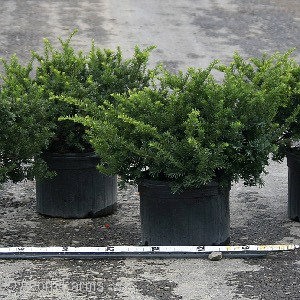
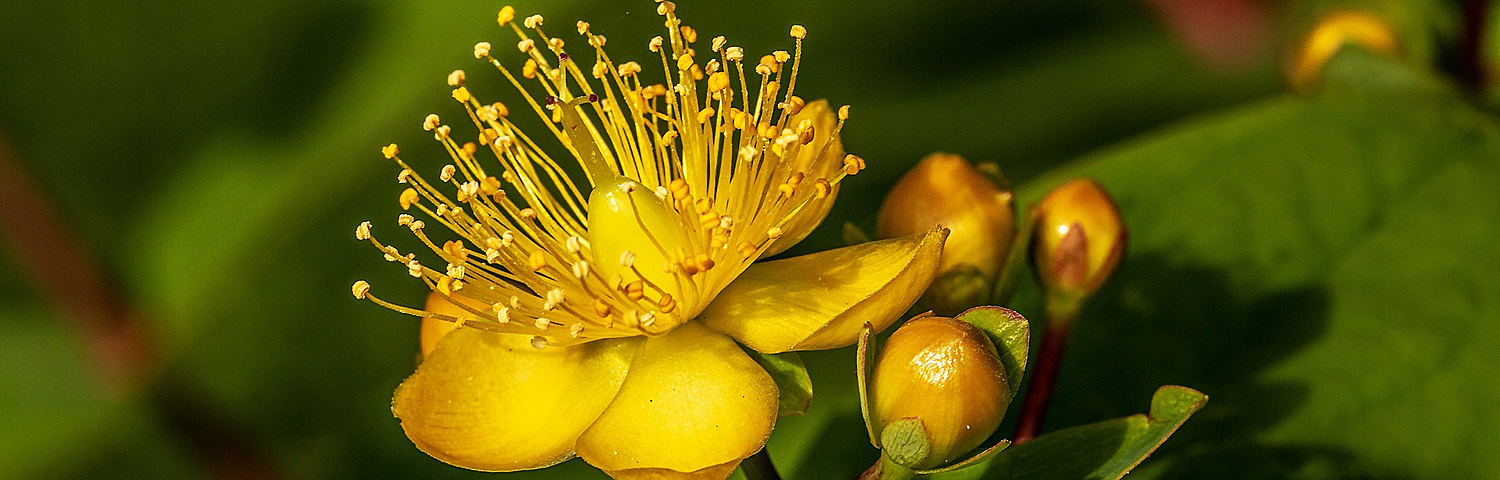
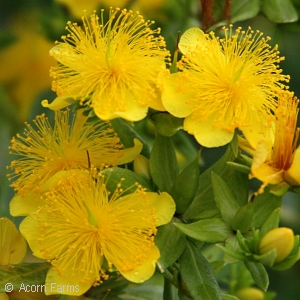
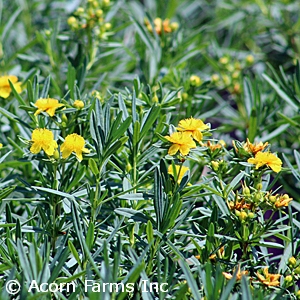
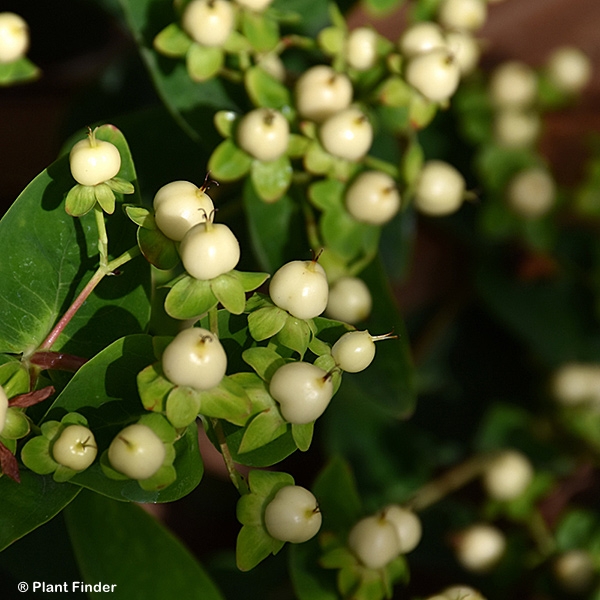
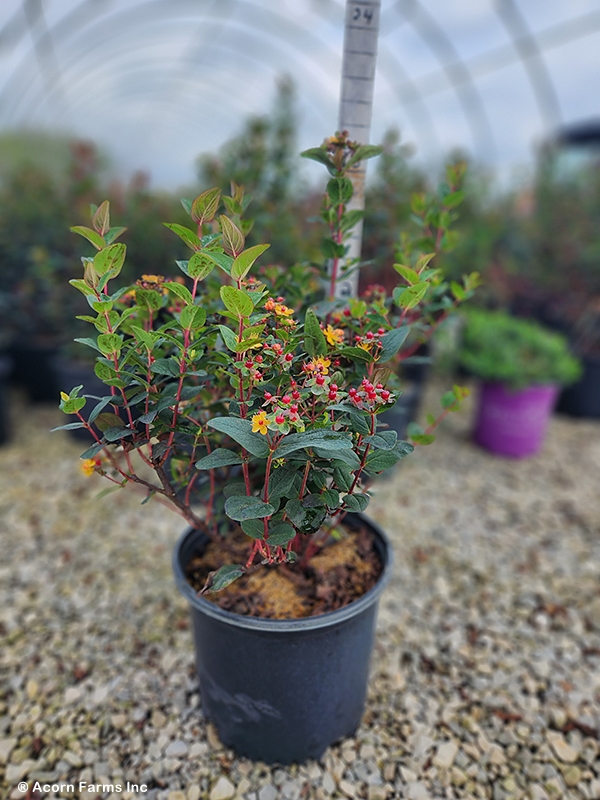
Hypericum kalmianum 'Ames' is commonly referred to as Ames St. Johnswort or Kalm St. Johnswort. It is a native evergreen shrub with upright branching and a mounding habit. In midsummer golden yellow flowers appear. Flowers fade to oval, brown seed pods that mature in fall and persist through winter adding winter interest.
Ames St. Johnswort is hardy and easy to grow. It thrives in full sun or part shade in rich, loamy, evenly moist, well-drained soils. It is ideal as a low hedge, for rocky slopes or shrub borders.
| PLANT | SIZE | TYPE | GALENA | ADD'L | DIG | SOON |
| HYPERICUM KALMIANUM AMES | con 3 | 171 | 0 | 0 | 0 |
Current inventory will be listed above this line. This plant will not be in the cart if there is no Galena stock listed. Contact Sales Rep for details. | Click for Availability column key & information.
To help this plant settle in and thrive, we recommend these standard planting practices: Plant in well-draining soil, selecting a location that receives full sun to partial shade. While these shrubs are adaptable to a wide range of soil conditions, providing maximum sun exposure helps ensure the most prolific bloom cycle and best foliage color throughout the season. Consistent water is necessary during the first year of establishment to ensure long-term health. Prune in late winter or early spring, cutting back old growth to encourage vigorous new stems and maintain a dense, compact form. This is essential for preventing the plant from becoming woody or leggy over time.
ALSO AVAILABLE:
★ ON SALE ★