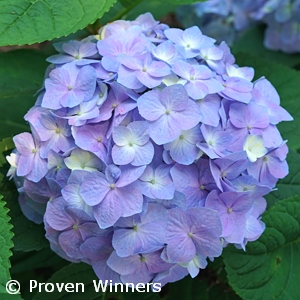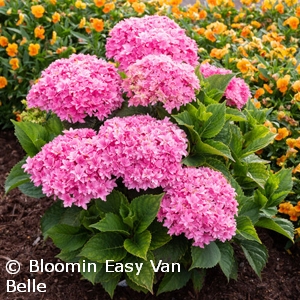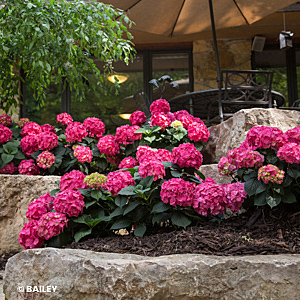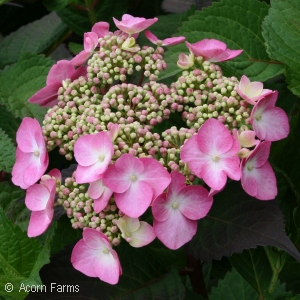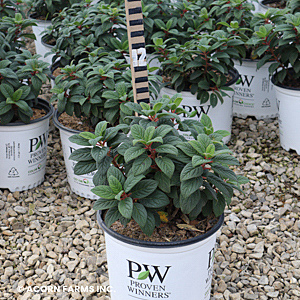
HYDRANGEA PAN PINK DIAMOND ACORN FARMS

PINK DIAMOND PANICLE HYDRANGEA
HYDRANGEA PAN PINK DIAMOND

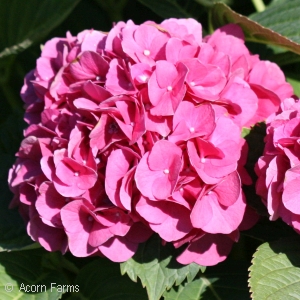
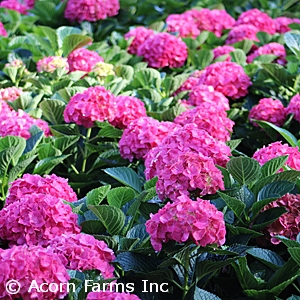
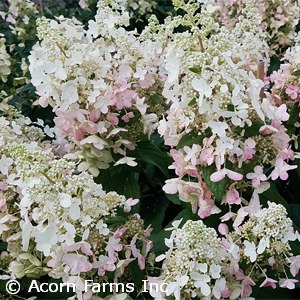
Hydrangea paniculata 'Interhydia' PINK DIAMOND

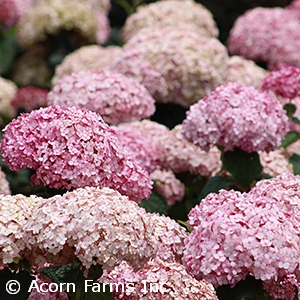
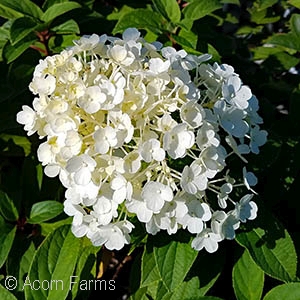
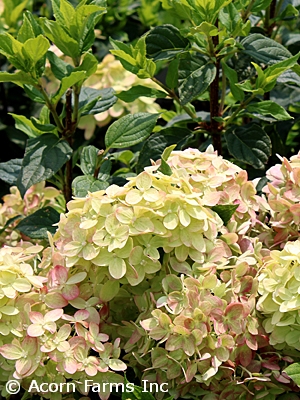
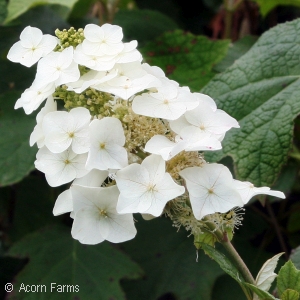
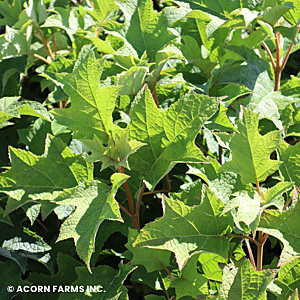
photo copyright Acorn Farms Inc
HYDRANGEA PAN PINK DIAMOND
Genus: HYDRANGEA
trademark info Protected Series:
Height: 6-7 Feet Tall
Spread: 6-7 Feet Wide
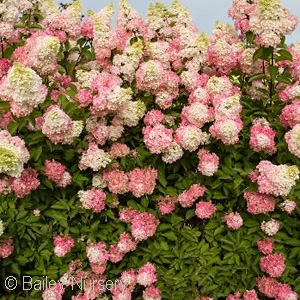
Color: pink flower
Full Sun Plants
Full Sun Deciduous Shrub Plants
Deciduous Shrub
Zone: 3
#1252  
         dried flower *    


PINK DIAMOND PANICLE HYDRANGEA


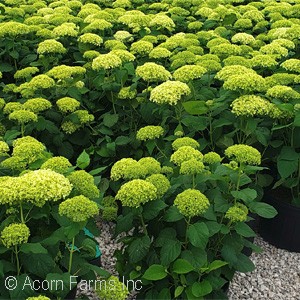
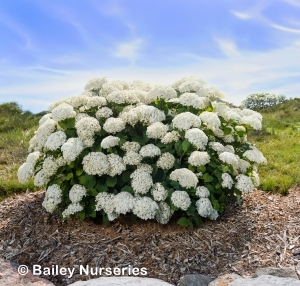
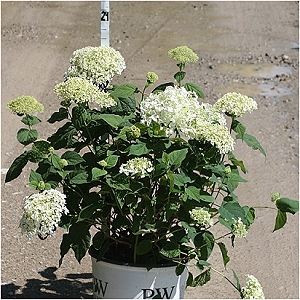
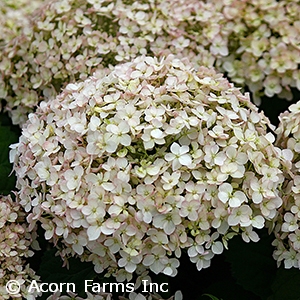
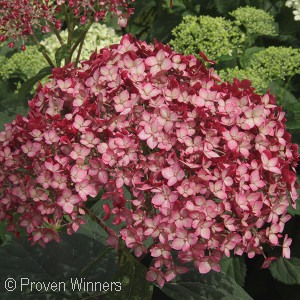
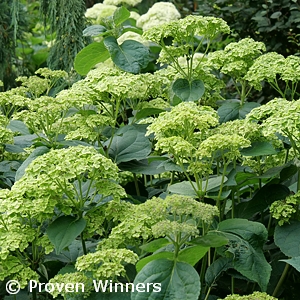
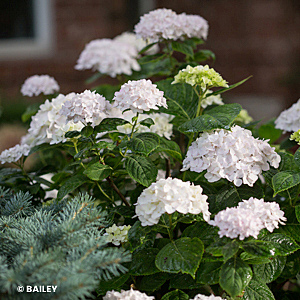
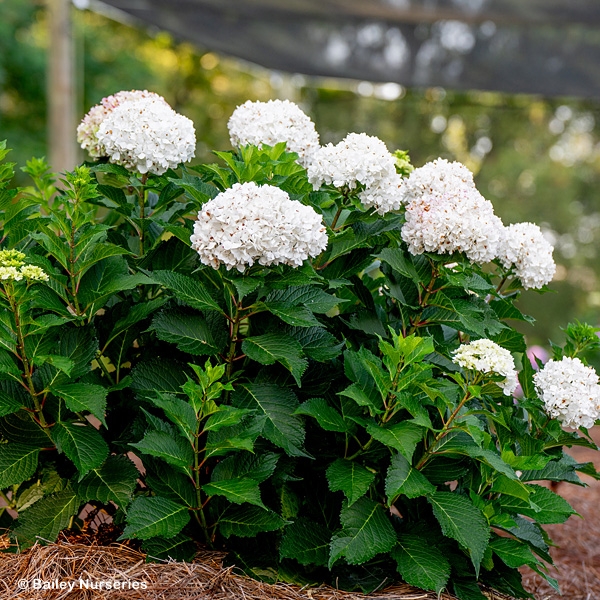
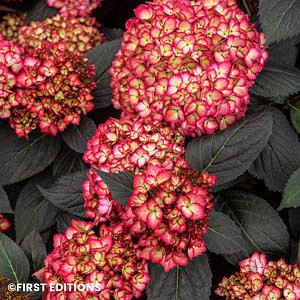
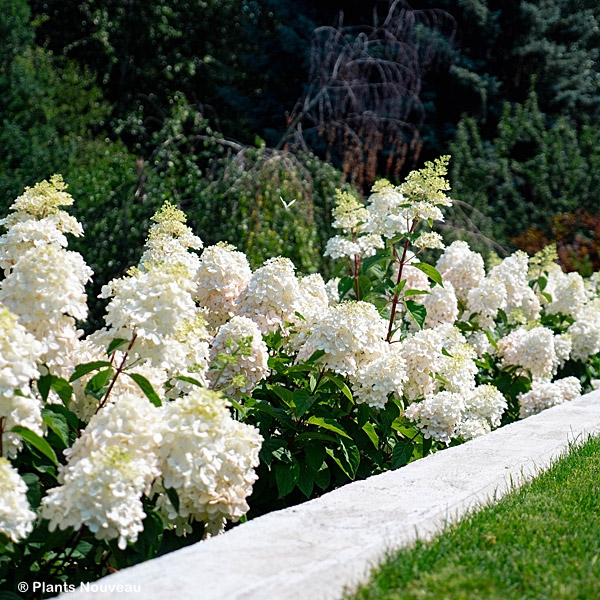
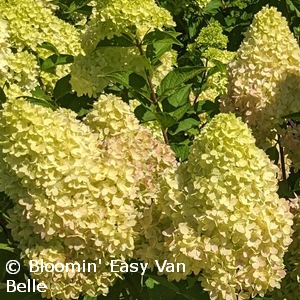
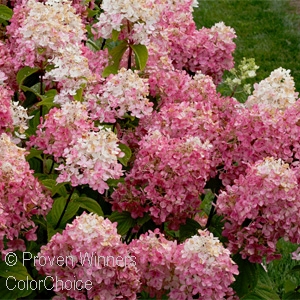
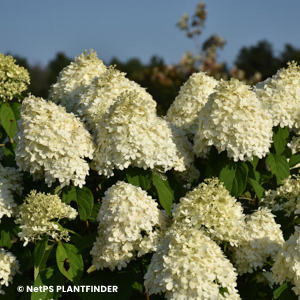
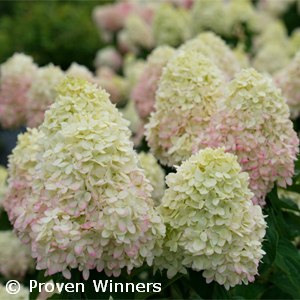
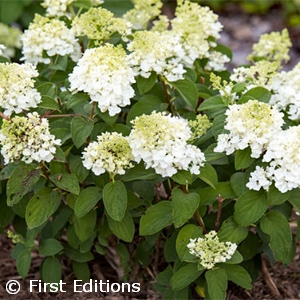
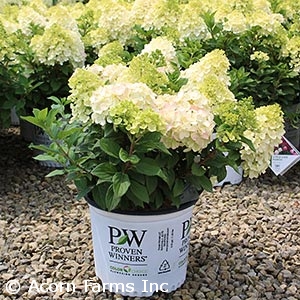
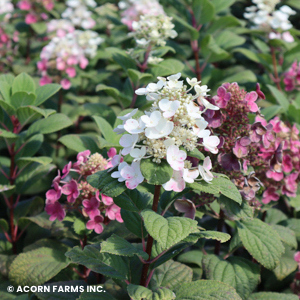
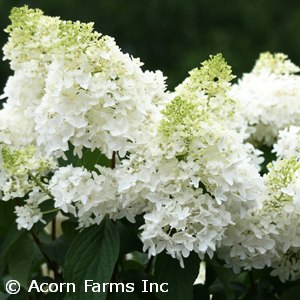
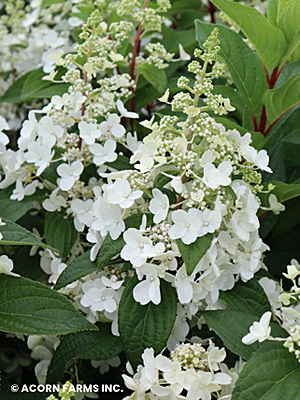
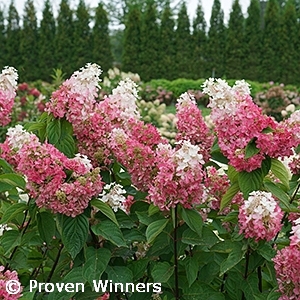
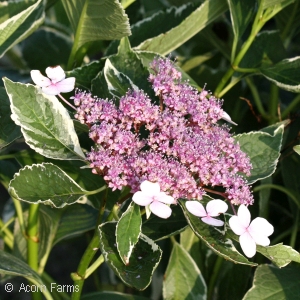
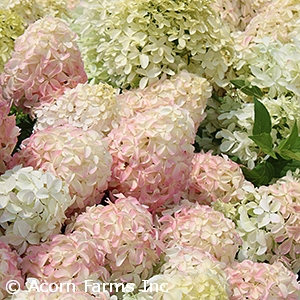
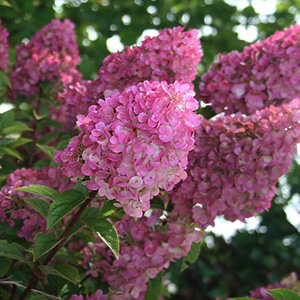
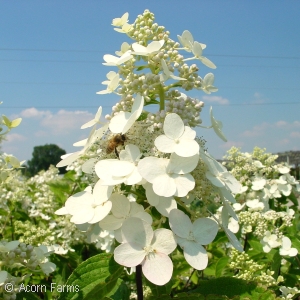
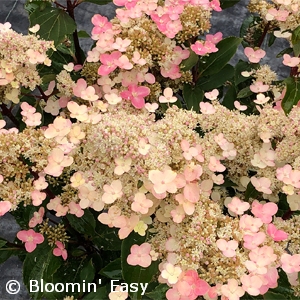
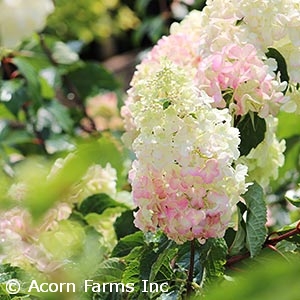
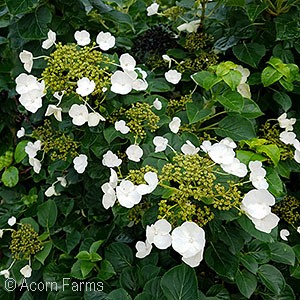
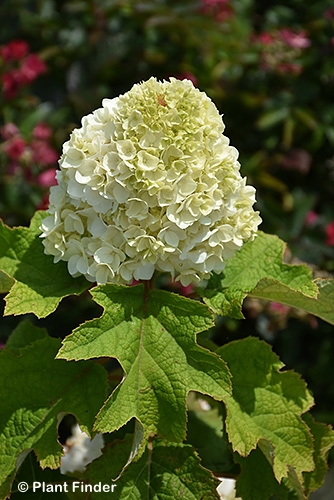
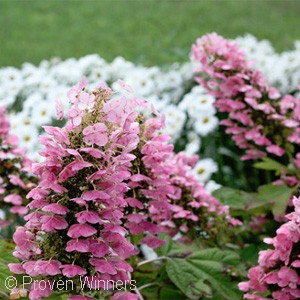
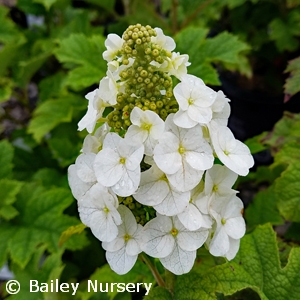
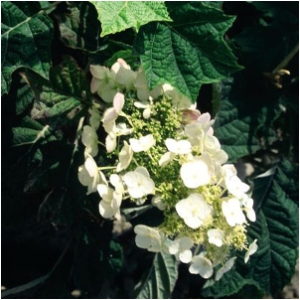
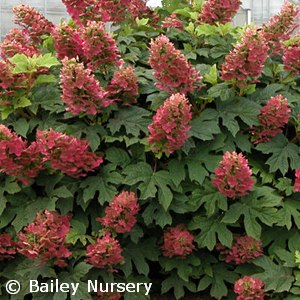
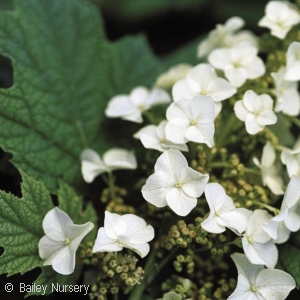
Hydrangea paniculata 'Interhydia' is commonly referred to as Pink Diamond Hydrangea. This is a vigorous grower that features white flowers in midsummer that quickly fade to deep pink. Flowers are held upright by strong, sturdy stems and are excellent for cutting.

Panicle Hydrangeas, such as the Pink Diamond Hydrangea, bloom on new growth, typically flowering normally even if cut back or killed by frost the previous season. It thrives in filtered sun in rich, organic, evenly moist, well-drained soils.


PLANT SIZE TYPE GALENA ADD'L DIG SOON

Current inventory will be listed above this line. This plant will not be in the cart if there is no Galena stock listed. Contact Sales Rep for details. |

KEY:
con = containers - available now
Galena = Above ground and available now
Additional = Remote location, call rep. Not in Shop.
Dig = Still in ground, call rep. Not in Shop (in orange).
Soon = Coming soon, call rep. Not in Shop.

(BBnPOT - formerly known as GRSTART - are B&B put into a container - they are available now)


Hydrangea Types:
Hydrangea arborescens (Smooth Hydrangea)
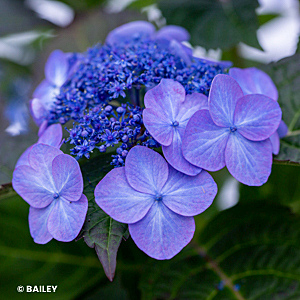
Hydrangea macrophylla (Bigleaf, Mophead or Lacecap Hydrangea)
Hydrangea paniculata (Panicled Hydrangea)
Hydrangea quercifolia (Oakleaf Hydrangea)
Hydrangea serrata (Mountain Hydrangea)


Planting Tips

To help this plant settle in and thrive, we recommend these standard planting practices: Plant in well-draining soil with a slightly acidic pH. Water regularly, but avoid overwatering. Provide partial shade, especially in warmer climates. Fertilize annually with a balanced fertilizer. Prune in late winter or early spring to maintain shape and promote blooming.


Available cultivars in this genus: