CENTENNIAL HOPS
HUMULUS LUP CENTENNIAL
Humulus lupulus 'Centennial'
photo courtesy of Pixabay
CENTENNIAL HOPS
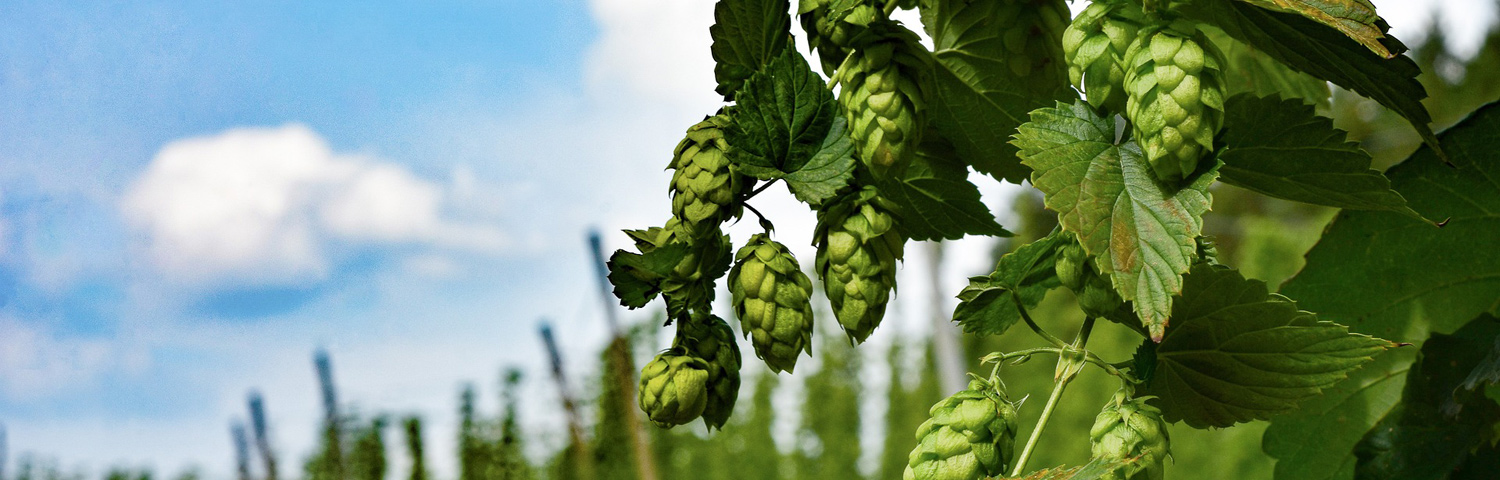
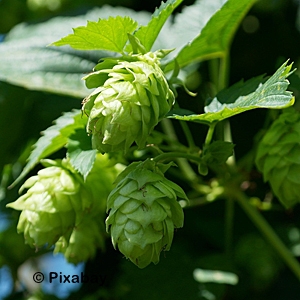
Centennial Hops (Humulus lupulus 'Centennial') is a craft brewer's hop that is a vigorous herbaceous vine climber with dark green, coarsely-lobed foliage and large, light green mid-summer flower clusters (sometimes called cones) which are ready to harvest in fall. It has an acid composition of 12% alpha acid with a floral-citrus aroma delivering a bold flavor with notes of lemon and pine. Robust flavor is similar to American crafts beers from IP to Amber, Stout and Blonde Ale.
Centennial Hops is fast growing and thrives in full sun in rich, evenly moist, well-drained soils. Edible landscapes are more popular than ever, and Centennial Hops climbing vine is ideal as a screen or to decorate an arch or wall. It can even help you brew your own, made-from-scratch, beer! What else is there?
Scroll table horizontally to view all stock & quantities →
| PLANT |
SIZE |
TYPE |
GALENA |
ADD'L |
DIG |
SOON |
| HUMULUS LUP CENTENNIAL | con 3 | STAKE | 4 | 0 | 0 | 0 |
Current inventory will be listed above this line. Contact Sales Rep for details. |
Click for key & info
KEY:
con = containers - available now
Galena = Above ground and available now
Additional = Remote location, call rep. Not in Shop.
Dig = Still in ground, call rep. Not in Shop (in orange).
Soon = Coming soon, call rep. Not in Shop.
(BBnPOT - formerly known as GRSTART - are B&B put into a container - they are available now)