HEPTACODIUM TEMPLE OF BLOOM ACORN FARMS
TEMPLE OF BLOOM® SEVEN-SON FLOWER

HEPTACODIUM TEMPLE OF BLOOM

Temple of Bloom® Heptacodium miconioides 'SMNHMRF' USPP 30,763, Can PBRAF
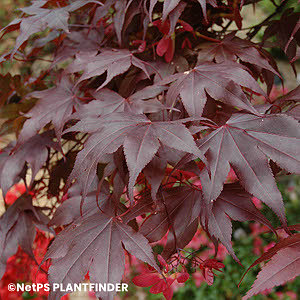
photo courtesy of Plant Finder

TEMPLE OF BLOOM® SEVEN-SON FLOWER

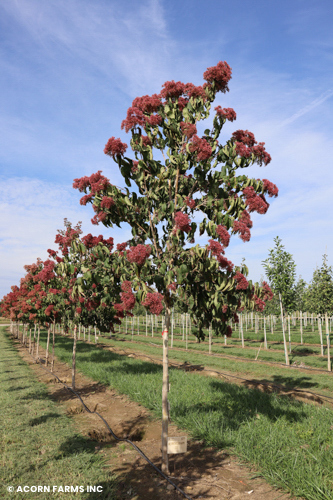
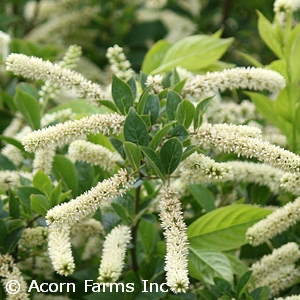
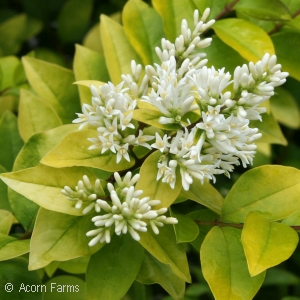
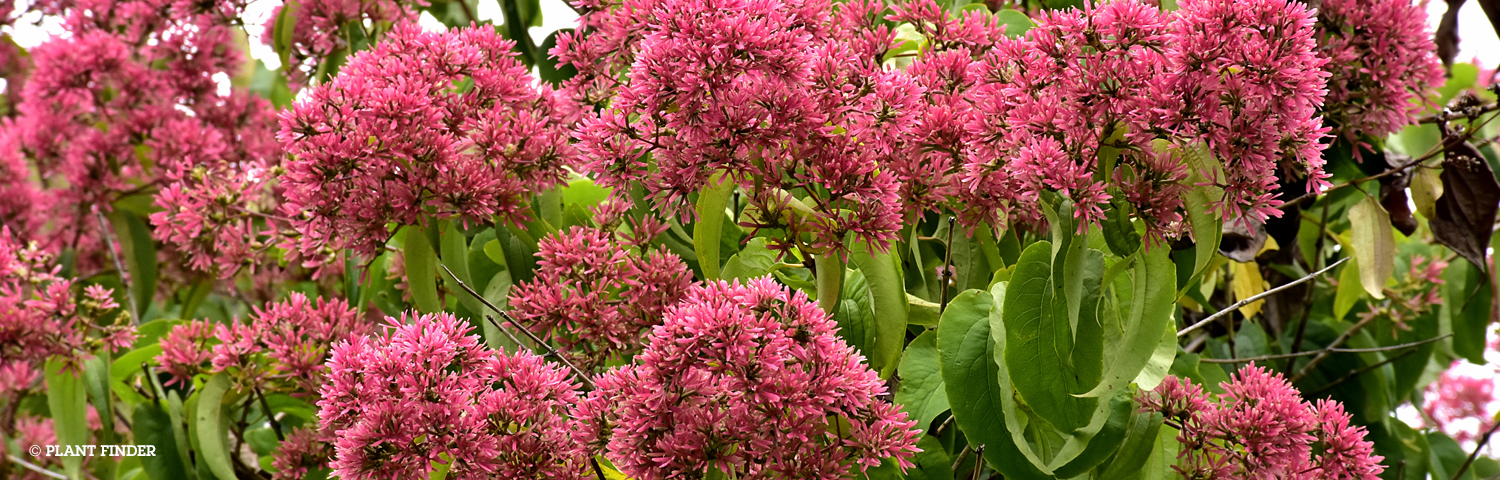
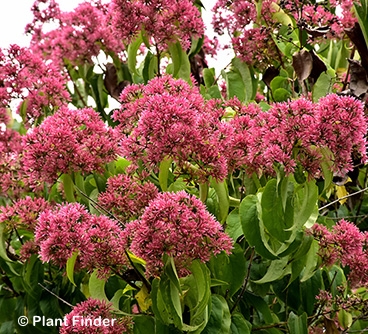
Heptacodium miconioides 'SMNHMRF' USPP 30,763, Can PBRAF is commonly referred to as Temple of Bloom® Seven Son Tree. Unveiling year-round beauty, this captivating small tree from Proven Winners® is a standout in any garden. Its deep-veined leaves unfurl in spring, transforming into a lush canopy that twists and turns through the season. Come late summer, the tree bursts into fragrant white blooms, attracting a symphony of bees and hummingbirds. But the show doesn't stop once flowers fade to pink! As autumn arrives, the tree ignites into a fiery display of dark red bracts, mimicking a second bloom. Even winter holds magic, with the tree's exfoliating bark adding a touch of rustic charm.

Temple of Bloom® Seven Son Flower is easy to grow and thrives in full sun to partial shade in evenly moist, well-drained soils. Prune in winter before the flower buds set. Pruning in spring or summer will remove the flower buds.
Scroll table horizontally to view all stock & quantities →
PLANT SIZE TYPE GALENA ADD'L DIG SOON
HEPTACODIUM TEMPLE OF BLOOM5-6 ft00130
HEPTACODIUM TEMPLE OF BLOOM6-7 ft00270
HEPTACODIUM TEMPLE OF BLOOM7-8 ft0010

Current inventory will be listed above this line. Contact Sales Rep for details. |

KEY:
con = containers - available now
Galena = Above ground and available now
Additional = Remote location, call rep. Not in Shop.
Dig = Still in ground, call rep. Not in Shop (in orange).
Soon = Coming soon, call rep. Not in Shop.

(BBnPOT - formerly known as GRSTART - are B&B put into a container - they are available now)


Planting Tips ⓘ

To help this plant settle in and thrive, we recommend these standard planting practices: Plant in average, well-draining soil, ensuring the site offers full sun to partial shade. While this species is notably adaptable and drought tolerant once established, provide regular water during the first growing season to encourage a deep, healthy root system. Maximum sun exposure is generally preferred to encourage the most prolific late-season flowering and the development of the attractive, showy calyces that persist after the blooms fade. Prune in late winter or early spring to remove dead wood or to manage its natural, often multi-stemmed, habit. This species is frequently trained as a small, ornamental tree by selecting and thinning branches to showcase its beautiful exfoliating bark, so be mindful of the desired architecture during early training.


ALSO AVAILABLE:


β˜… ON SALE β˜