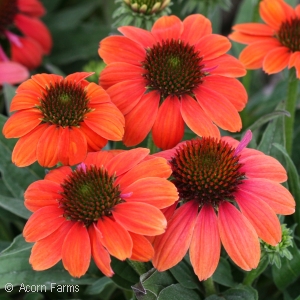
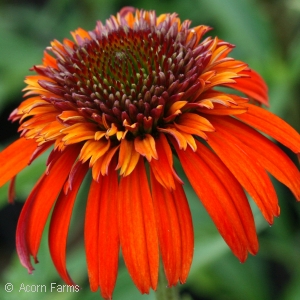
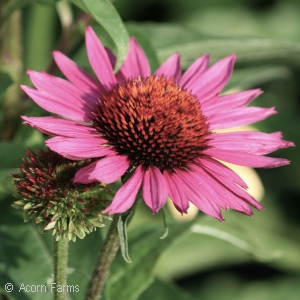
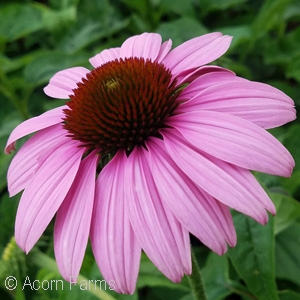
FRINGE FESTIVAL CONEFLOWER
ECHINACEA FRINGE FESTIVAL
Echinacea 'Fringe Festival' PPAF
photo copyright Acorn Farms Inc
FRINGE FESTIVAL CONEFLOWER
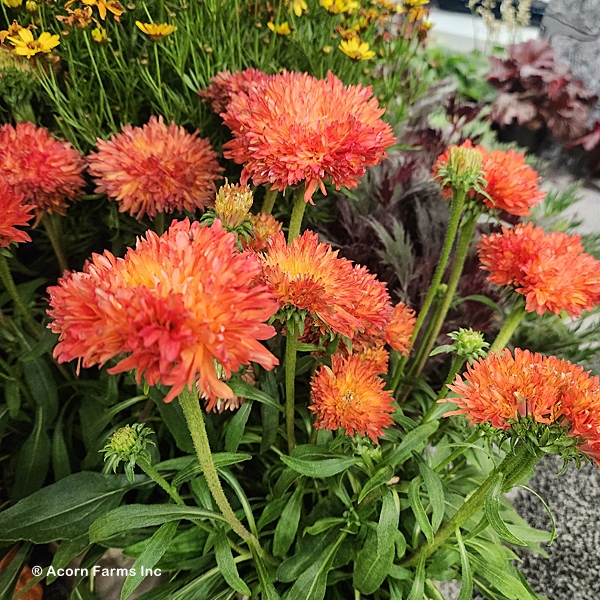
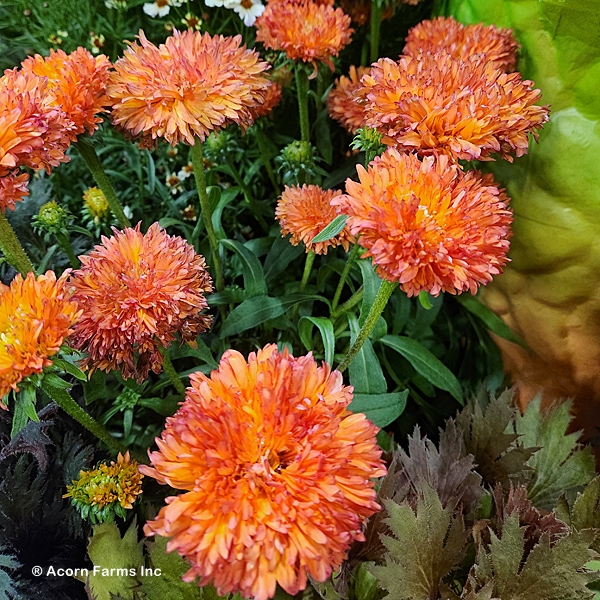
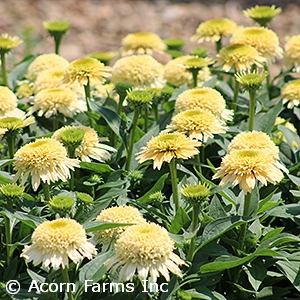
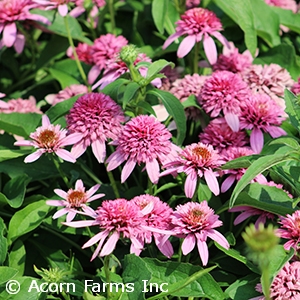
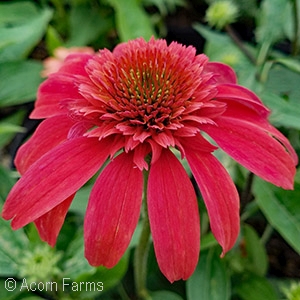
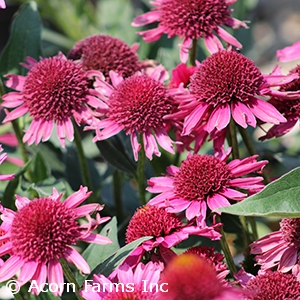
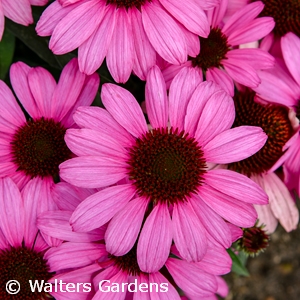
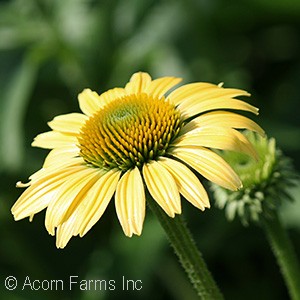
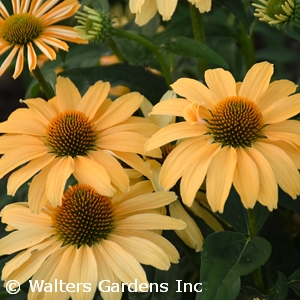
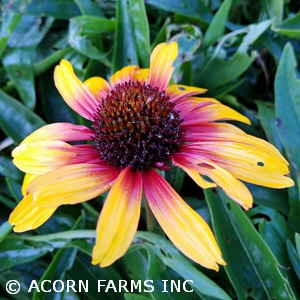
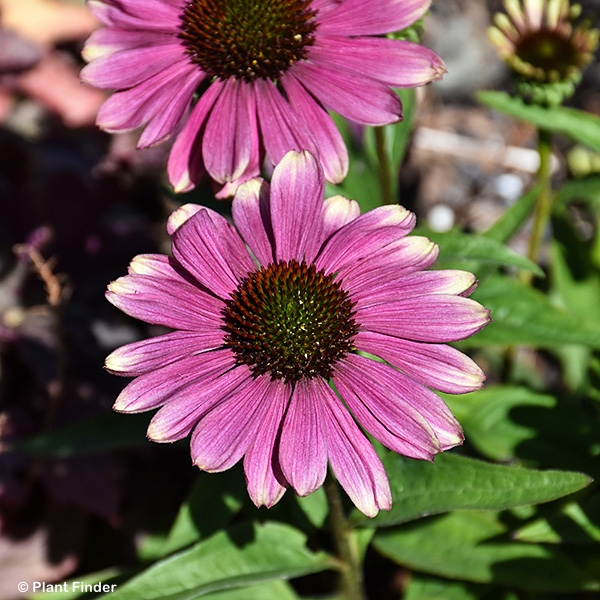
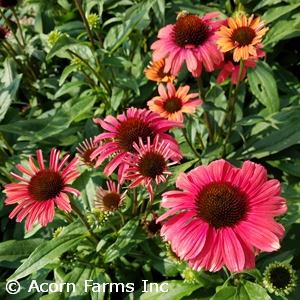
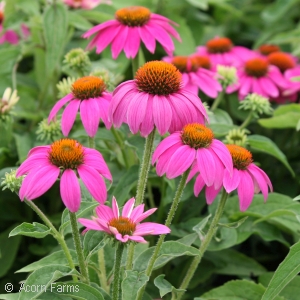
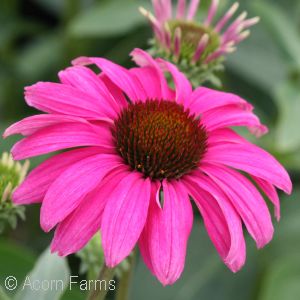
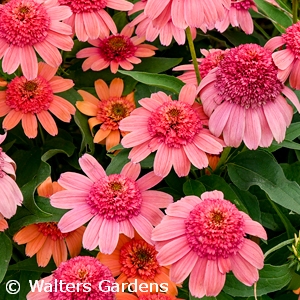
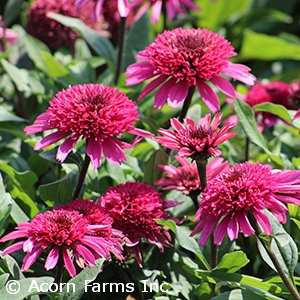
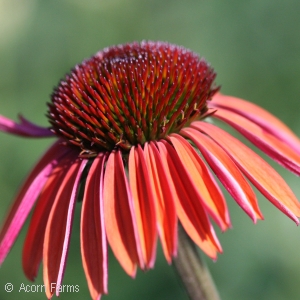
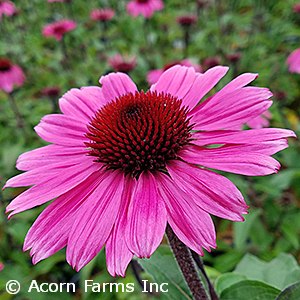
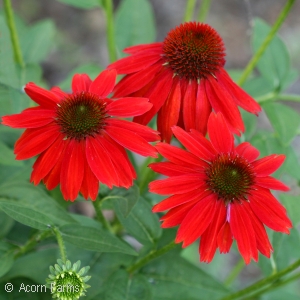
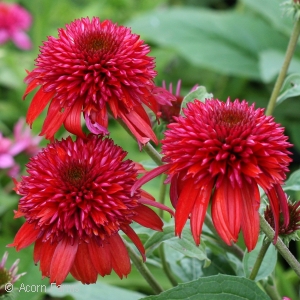
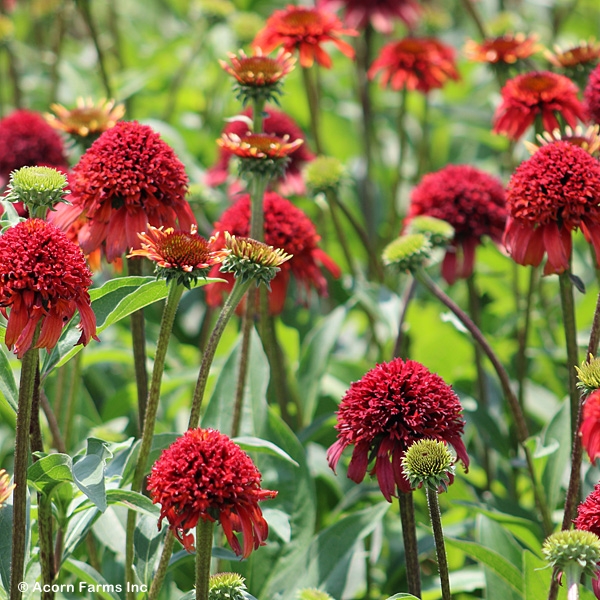
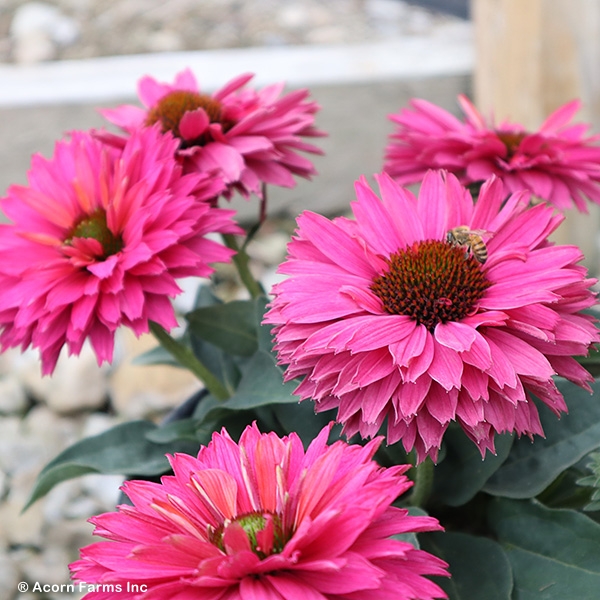
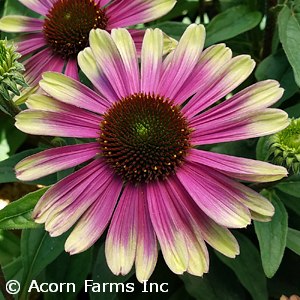
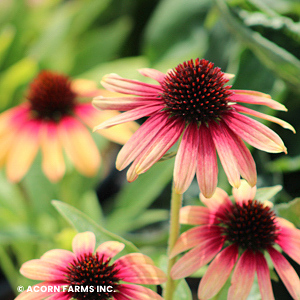
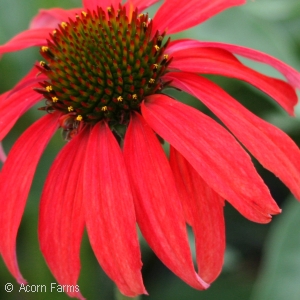
Echinacea 'Fringe Festival', another brilliant introduction from the Terra Nova® breeding program, is a highly unconventional and show-stopping coneflower that completely redefines the traditional look of the genus. This unique perennial stands out because it completely skips the classic central cone; instead, it produces fully double, dome-like blossoms packed entirely with masses of narrow, frilled, and searing bold pink petals. The resulting shaggy, high-impact flower texture resembles a dense pom-pom or retro shag carpeting. Reaching a very tidy, compact, and stocky mature height of 9 to 12 inches with a spread of 12 to 18 inches, its rich, green, strap-like foliage grows densely right to the ground. This creates a sturdy, balanced base that holds the heavy, multi-budded flower stems perfectly upright from mid-summer straight into fall without any risk of flopping.
To get the best performance out of 'Fringe Festival', its ideal spot is a location in full sun that receives at least six to eight hours of direct light daily, which ensures the stems remain rigid and the unique dark pink, double blooms develop their maximum color intensity. Like all Echinacea, 'Fringe Festival' demands sharply well-draining soil; it is highly adaptable to sandy, rocky, or lean soils, but it will quickly suffer from root rot if left in heavy, waterlogged clay over the winter.
Scroll table horizontally to view all stock & quantities →
| PLANT |
SIZE |
TYPE |
GALENA |
ADD'L |
DIG |
SOON |
| ECHINACEA FRINGE FESTIVAL | con 1 | | 6 | 0 | 0 | 0 |
Current inventory will be listed above this line. Contact Sales Rep for details. |
Click for key & info
KEY:
con = containers - available now
Galena = Above ground and available now
Additional = Remote location, call rep. Not in Shop.
Dig = Still in ground, call rep. Not in Shop (in orange).
Soon = Coming soon, call rep. Not in Shop.
(BBnPOT - formerly known as GRSTART - are B&B put into a container - they are available now)