SUNNY SWIRL HINOKI FALSECYPRESS
CHAMAECYPARIS OBT SUNNY SWIRL
Chamaecyparis obtusa 'Sunny Swirl'
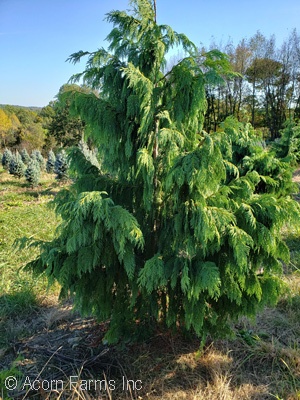
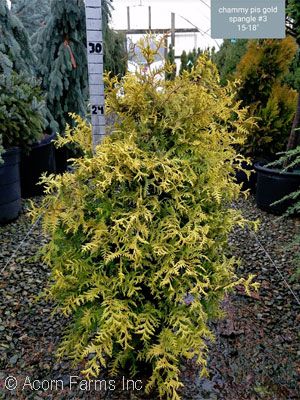
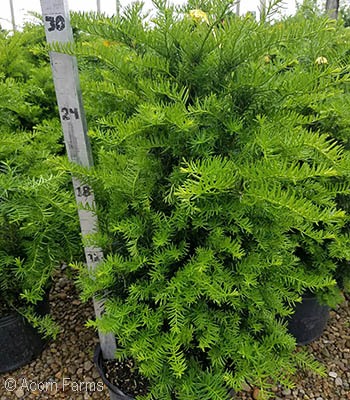
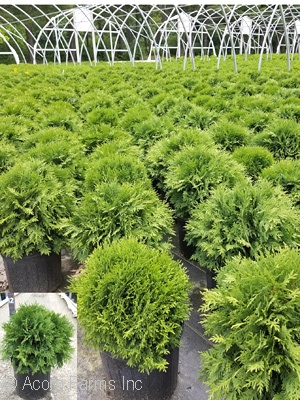
photo copyright Acorn Farms Inc
SUNNY SWIRL HINOKI FALSECYPRESS
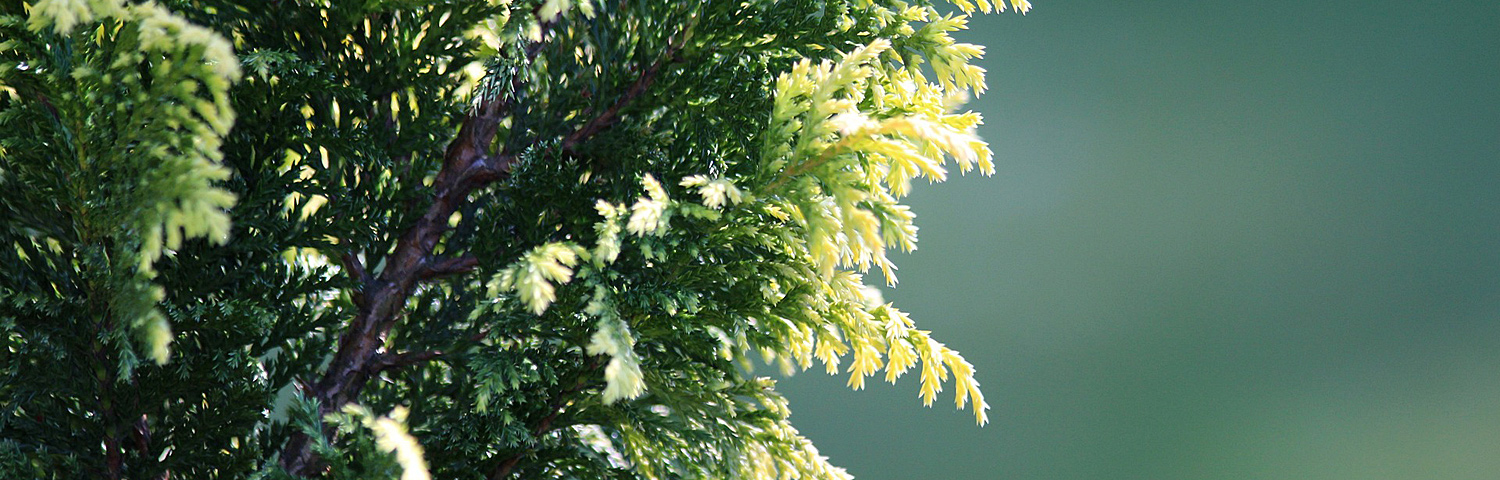
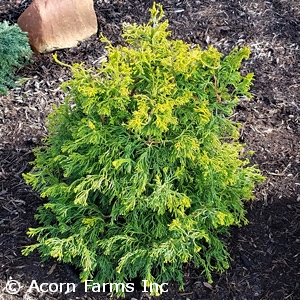
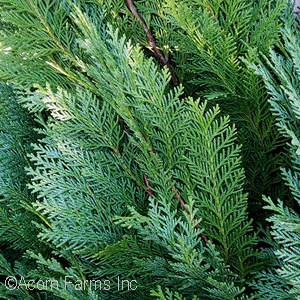
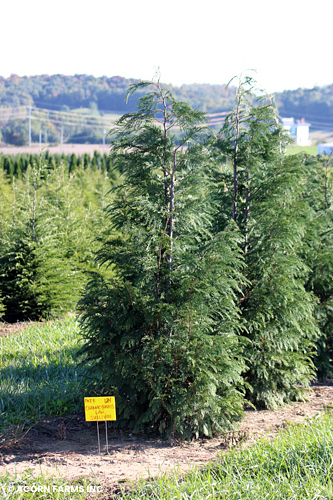
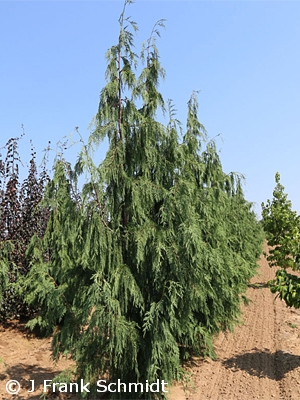
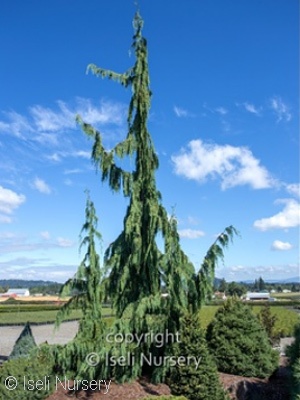
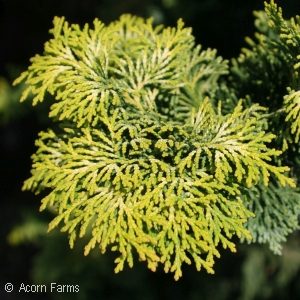
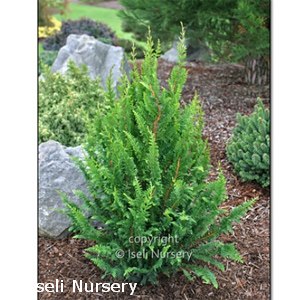
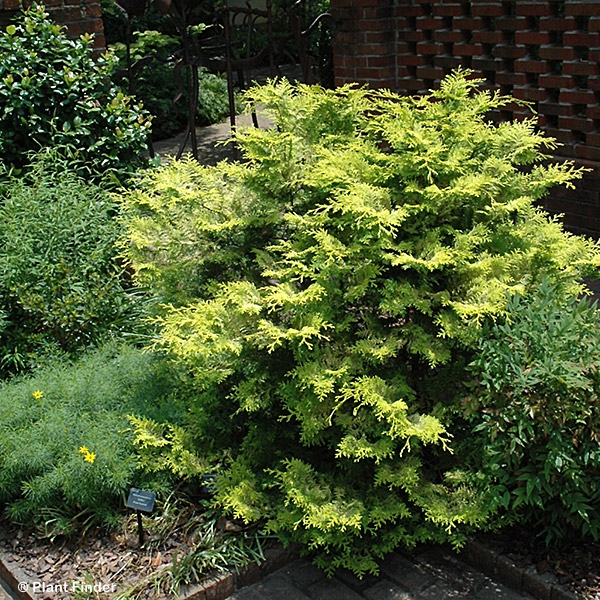
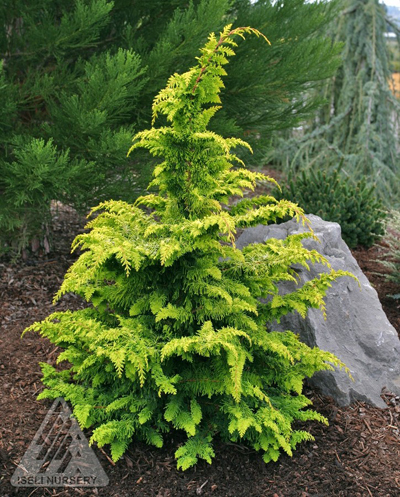
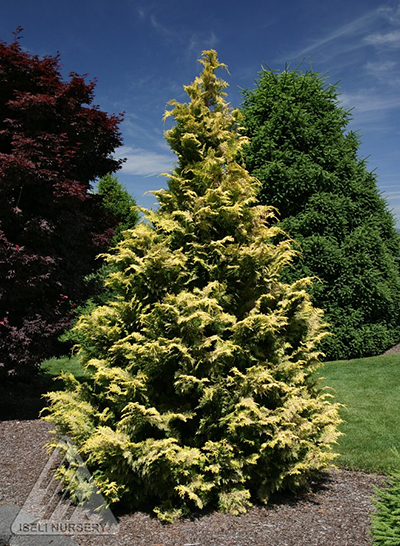
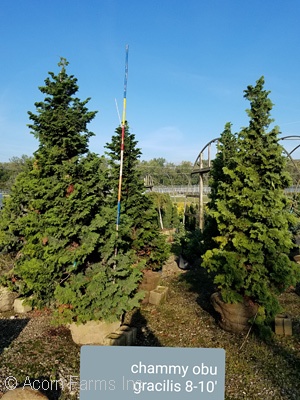
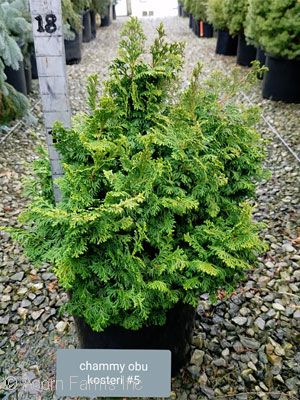
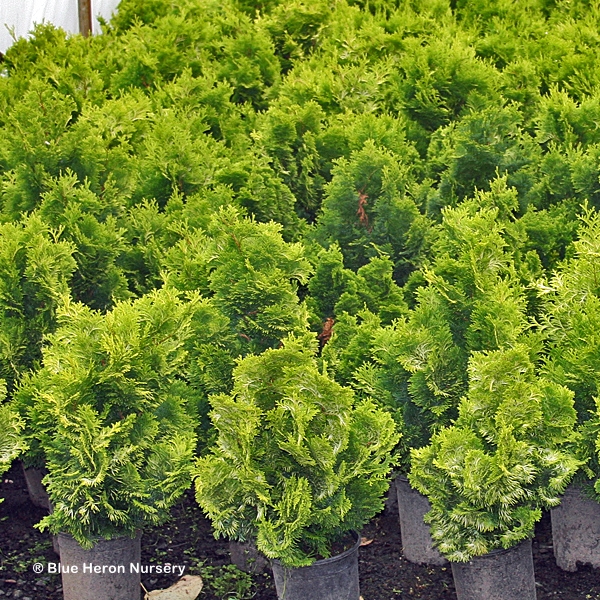
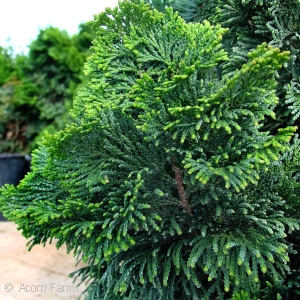
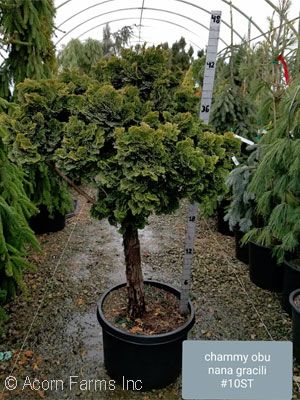
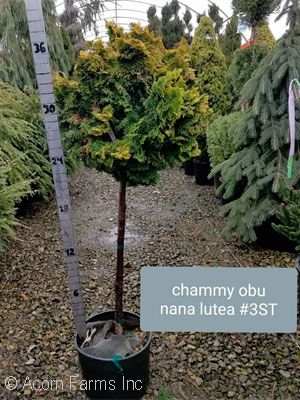
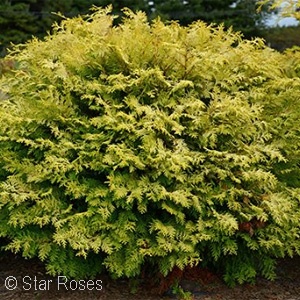
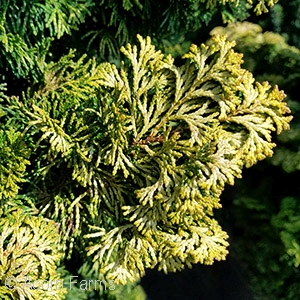
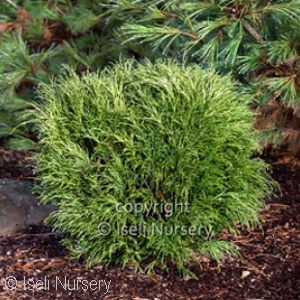
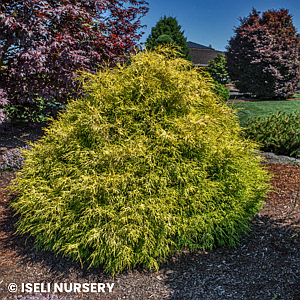
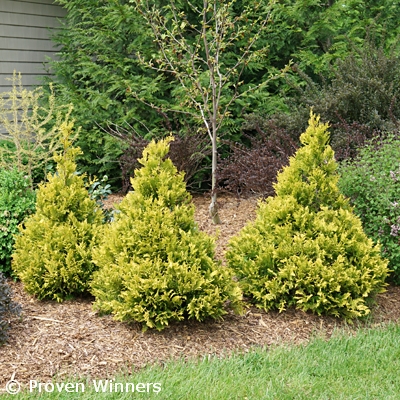
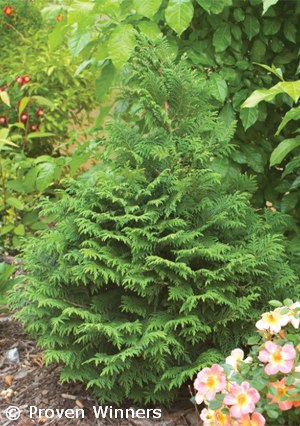
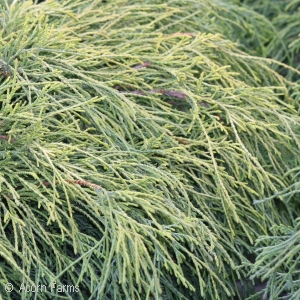
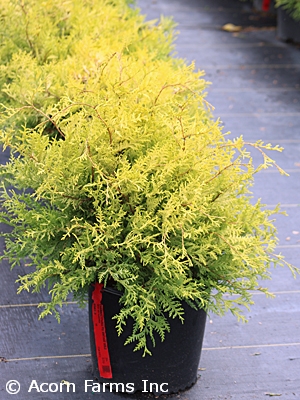
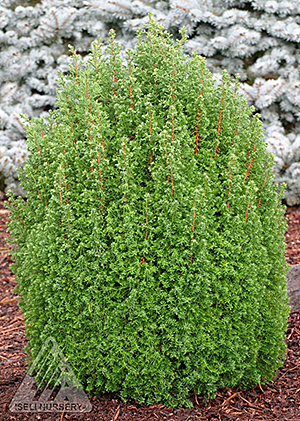
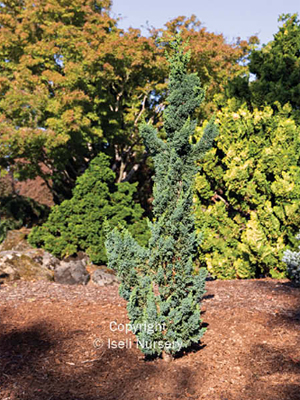
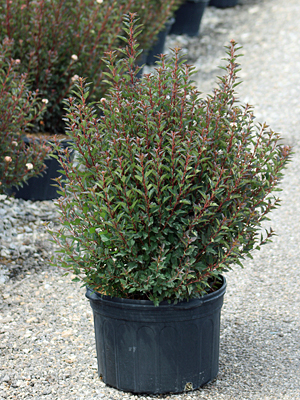
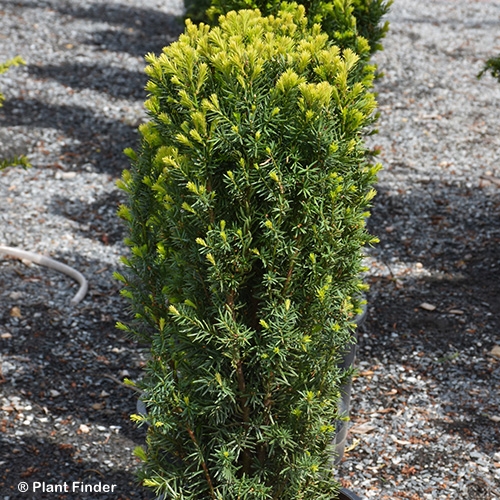
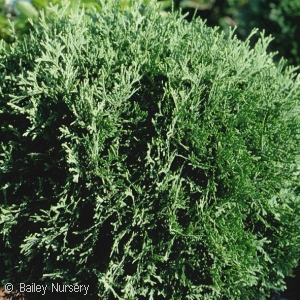
Chamaecyparis obtusa 'Sunny Swirl' is commonly referred to as Sunny Swirl Hinoki Cypress. It is a narrow, upward form with stiff, contorted branches that have mahogany red bark. Twisting, coarse, threadlike foliage displays shades that vary from yellow to gold and even chartreuse toward the interior. Unusual cockscombs occasionally develop at the tips. Bold texture and beautiful foliage makes this a striking specimen.
Sunny Swirl Hinoki Cypress enjoys part sun so as to avoid sunburn. It thrives in rich, evenly moist, well-drained soils.
Scroll table horizontally to view all stock & quantities →
| PLANT |
SIZE |
TYPE |
GALENA |
ADD'L |
DIG |
SOON |
| No current sizes listed in database. |
Current inventory will be listed above this line. Contact Sales Rep for details. |
Click for key & info
KEY:
con = containers - available now
Galena = Above ground and available now
Additional = Remote location, call rep. Not in Shop.
Dig = Still in ground, call rep. Not in Shop (in orange).
Soon = Coming soon, call rep. Not in Shop.
(BBnPOT - formerly known as GRSTART - are B&B put into a container - they are available now)