 Protected Series:
Zone: 5
Protected Series:
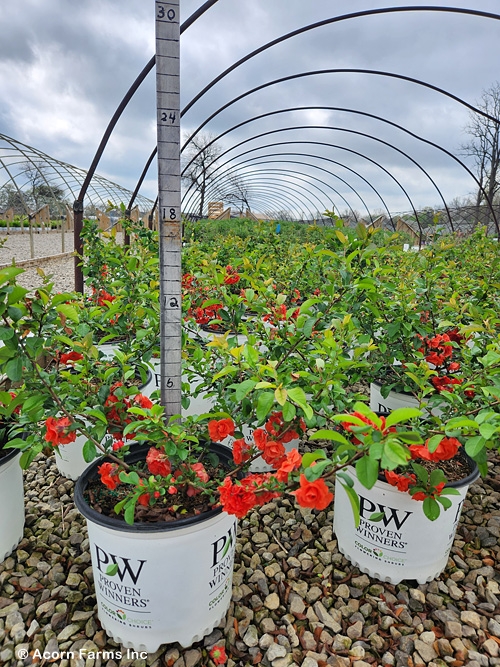
Zone: 5TOYO-NISHIKI FLOWERING QUINCE
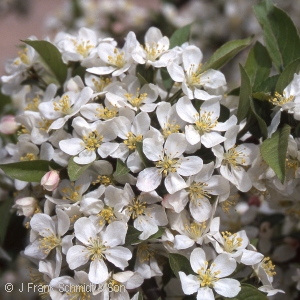
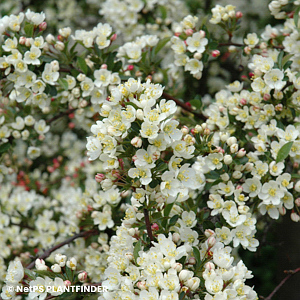
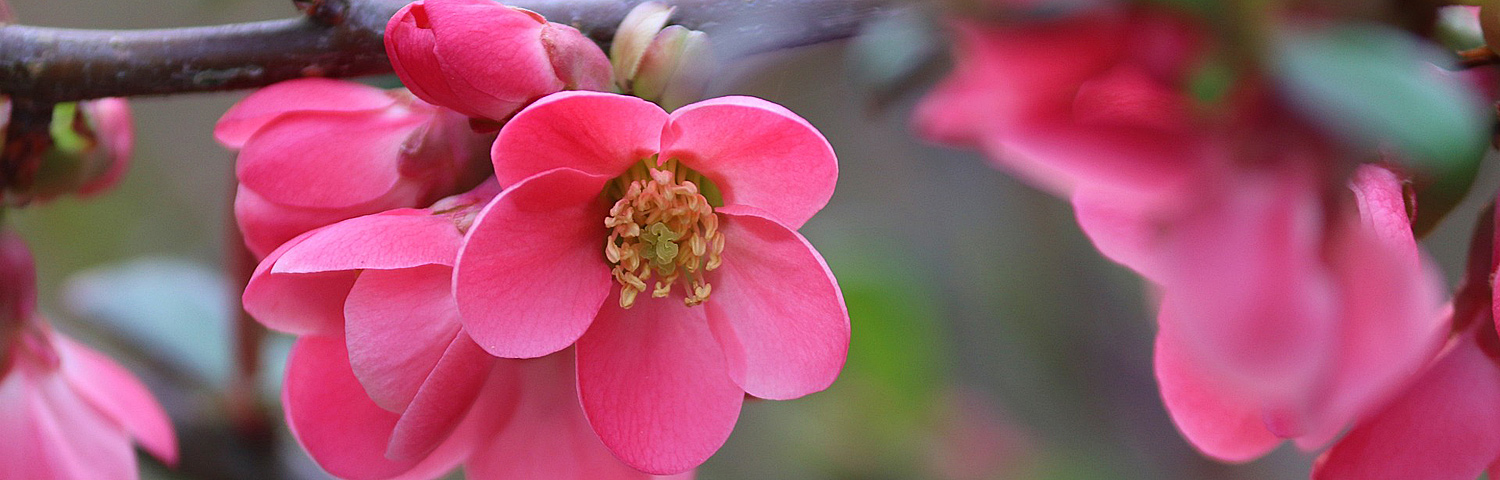
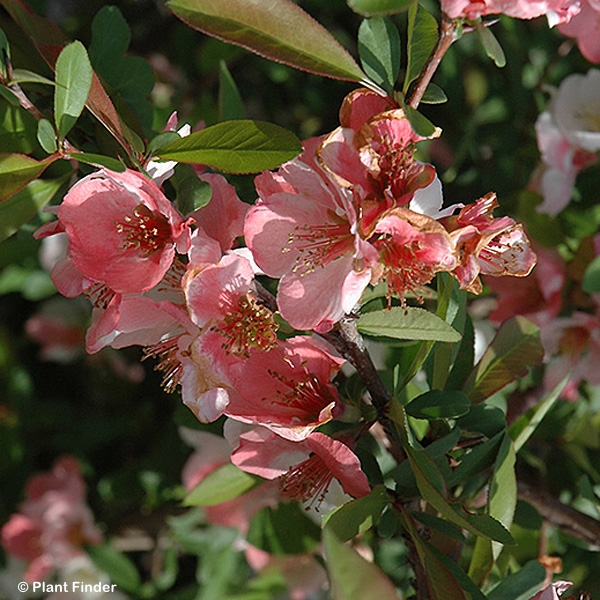
Chaenomeles speciosa 'Toyo Nishiki' is commonly referred to as Toyo-Nishiki Japanese Flowering Quince. It is a deciduous suckering shrub with a rounded, spreading habit. Beautiful red, white and pink flowers appear, sometimes with all three colors on the same flower, in early spring, making quite a show when nothing else is really happening out in the yard. Flower buds develop on year-old and older wood. Branches can be brought inside and forced for late winter blooms. Small edible fruit with a pineapple/citrus flavor can be used to make jellies or syrups.
Toyo Nishiki Quince thrives in full sun in acidic, loamy, evenly moist, well-draining soils. Note of caution: Over-pruning will reduce fruit production for the current year and also be careful of its thorns. It does make a perfectly beautiful barrier.
| PLANT | SIZE | TYPE | GALENA | ADD'L | DIG | SOON |
| CHAENOMELES SPE TOYO NISHIKI | con 3 | 59 | 0 | 0 | 0 |
Current inventory will be listed above this line. This plant will not be in the cart if there is no Galena stock listed. Contact Sales Rep for details. | Click for Availability column key & information.
To help this plant settle in and thrive, we recommend these standard planting practices: Plant in well-draining soil with a slightly acidic pH. Water regularly, but avoid overwatering. Mulch around the base to retain moisture and suppress weeds. Prune in late winter or early spring to maintain shape and promote healthy growth.
ALSO AVAILABLE:
★ ON SALE ★