CEPHALANTHUS OCC FIBER OPTICS ACORN FARMS
FIBER OPTICS® BUTTONBUSH

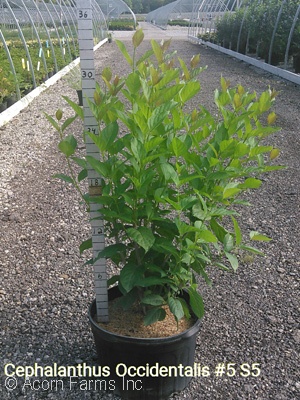
CEPHALANTHUS OCC FIBER OPTICS

Cephalanthus occidentalis 'Bailoptics' PP29475 First Editions® Fiber Optics®
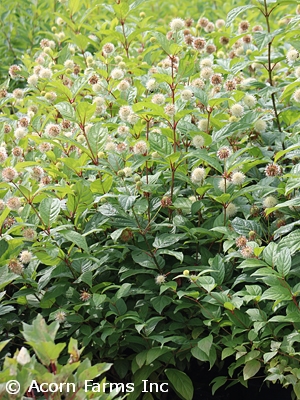
photo copyright Acorn Farms Inc

FIBER OPTICS® BUTTONBUSH

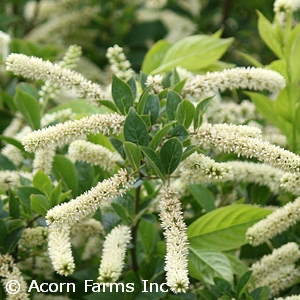
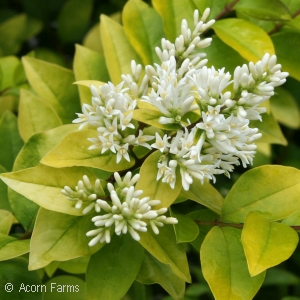
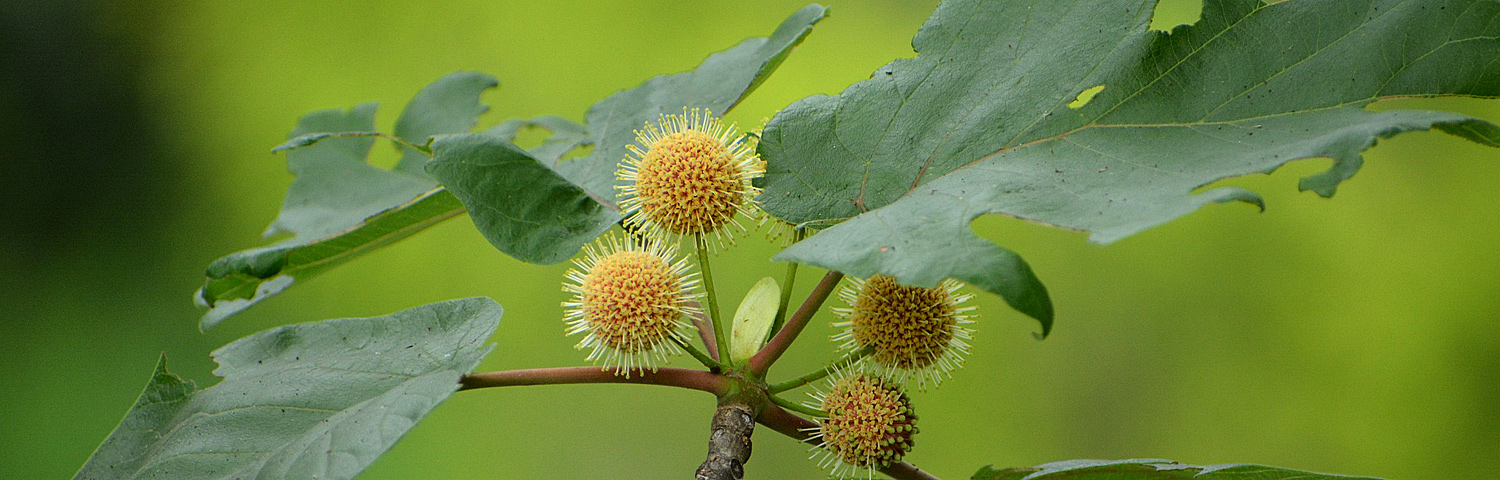
Cephalanthus occidentalis 'Bailoptics' PP29475 is commonly referred to as Fiber Optics® Buttonbush. It is a deciduous shrub with a rounded habit. This First Editions® selection is a distinct improvement over the native species. It is more compact and has white, tubular fragrant flowers that appear in spherical, long-stalked flower heads in early to midsummer. They are highly attractive to hummingbirds, butterflies and other insect pollinators. Leaves emerge in late spring and become bright green through summer.

Fiber Optics® Buttonbush is often used in wetland restoration projects where you will see them along streams, pond banks and low areas. It thrives in full to part sun in moist, humusy soils. It can grow well in wet soils including shallow standing water. It can adapt to dryer conditions.
Scroll table horizontally to view all stock & quantities →
PLANT SIZE TYPE GALENA ADD'L DIG SOON
CEPHALANTHUS OCC FIBER OPTICScon 3162000

Current inventory will be listed above this line. Contact Sales Rep for details. |

KEY:
con = containers - available now
Galena = Above ground and available now
Additional = Remote location, call rep. Not in Shop.
Dig = Still in ground, call rep. Not in Shop (in orange).
Soon = Coming soon, call rep. Not in Shop.

(BBnPOT - formerly known as GRSTART - are B&B put into a container - they are available now)


Planting Tips ⓘ

To help this plant settle in and thrive, we recommend these standard planting practices: Plant in fertile, well-draining soil, selecting a location in partial to full shade. This species is an excellent, deer-resistant choice for shadier areas of the landscape where other evergreens might struggle. While it is adaptable to various soil conditions, provide consistent water during the first growing season to ensure the root system is well established. Prune as needed in late winter or early spring to shape or maintain size, though its naturally slow-growing, elegant habit often requires minimal intervention.


ALSO AVAILABLE:


β˜… ON SALE β˜