 Protected Series:
Zone: 4
Protected Series:
Zone: 4CONCORDE BARBERRY
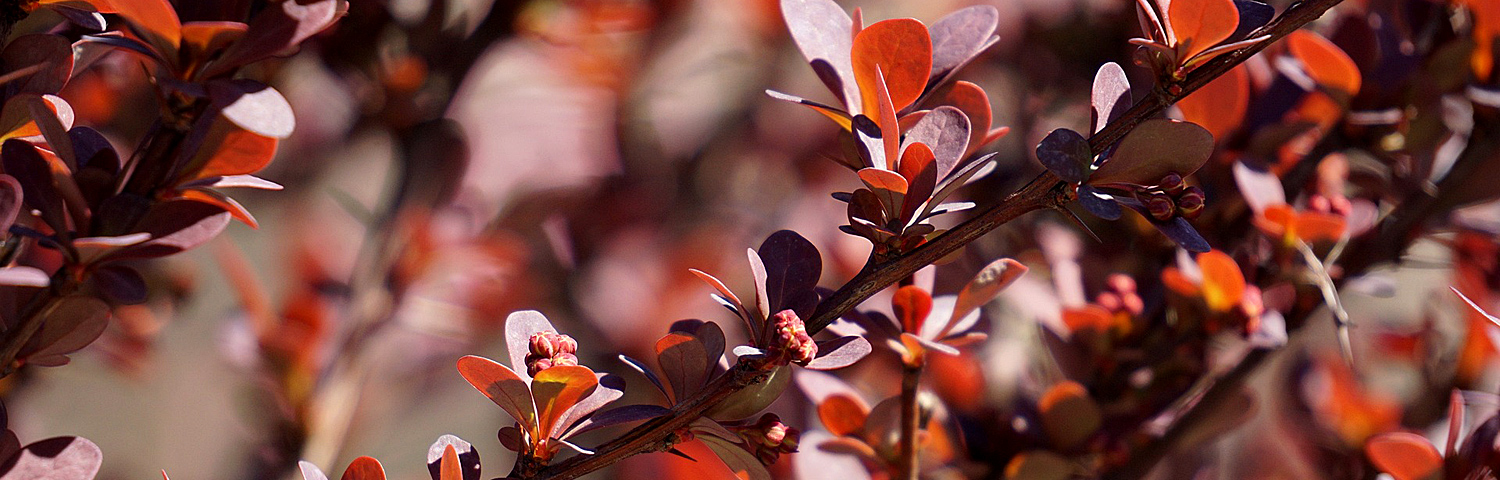
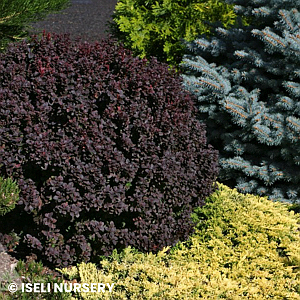
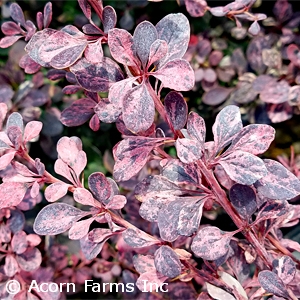
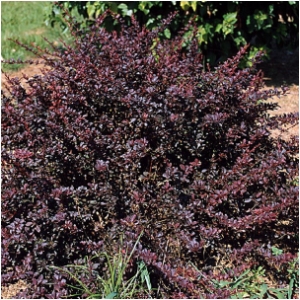
Berberis thunbergii 'Concorde' is commonly referred to as the Concorde Japanese Barberry. It is a small, elegant, globe-shaped barberry with velvety rich purple foliage that become deeper as the growing season advances. It maintains its rounded shape well. Small yellow flowers appear in spring followed by bright red fruit that persists through winter.
Concorde Barberry thrives in full to part sun in average, well-drained soils. It will not tolerate standing water. It can be drought tolerant once established. It is tolerant of urban pollution and can thrive in city environments.
| PLANT | SIZE | TYPE | GALENA | ADD'L | DIG | SOON |
Current inventory will be listed above this line. This plant will not be in the cart if there is no Galena stock listed. Contact Sales Rep for details. | Click for Availability column key & information.
To help this plant settle in and thrive, we recommend these standard planting practices: Plant in well-draining soil with a pH ranging from slightly acidic to neutral. Select a location in full sun to partial shade, noting that maximum sunlight is required to achieve the most vibrant foliage color throughout the season. This species is highly adaptable and exhibits excellent drought tolerance once established, requiring supplemental water only during extended dry periods. Prune in late winter or early spring to maintain size or remove old growth, keeping in mind that heavy gloves are recommended when handling this plant due to its sharp thorns.
ALSO AVAILABLE:
★ ON SALE ★