MONTGOMERY FALSE SPIREA
ASTILBE JAP MONTGOMERY
Astilbe japonica 'Montgomery'
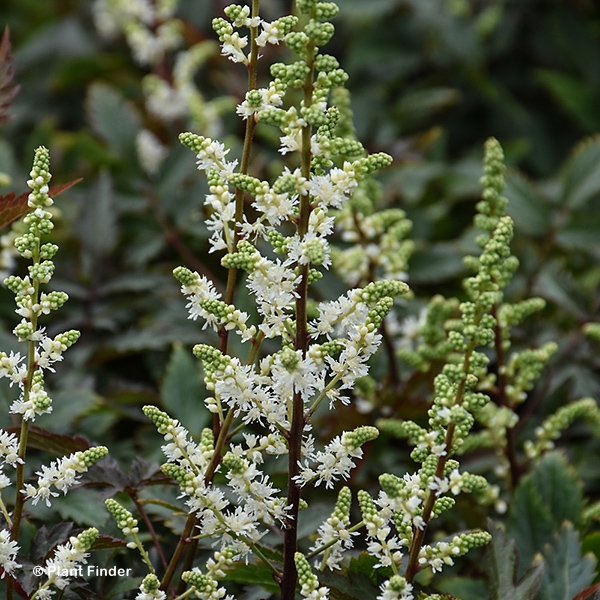
photo courtesy of Plant Finder
MONTGOMERY FALSE SPIREA
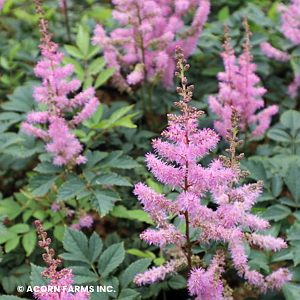
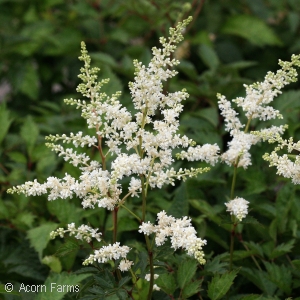
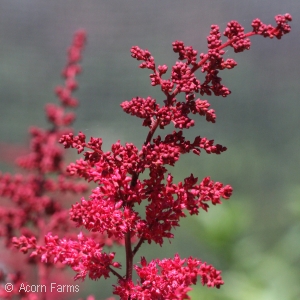
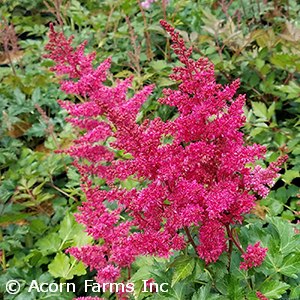
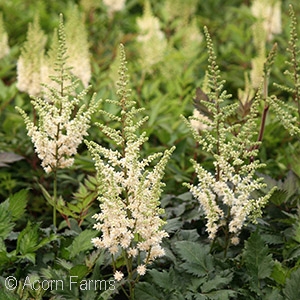
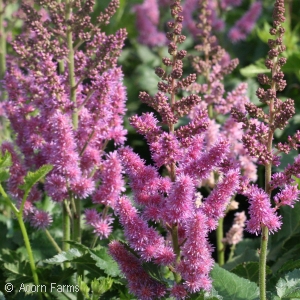
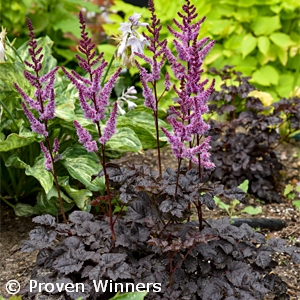
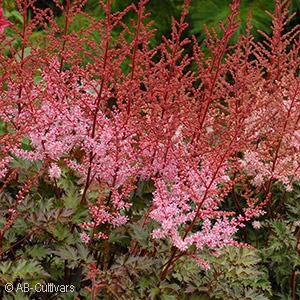
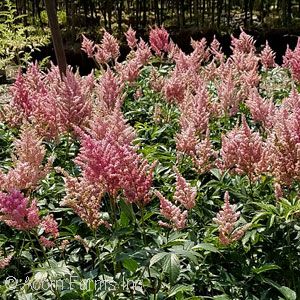
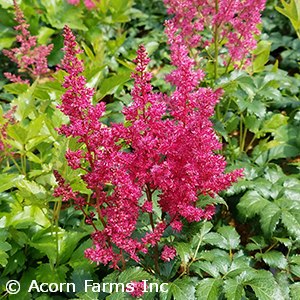
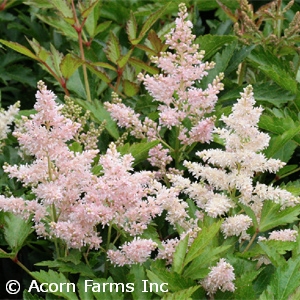
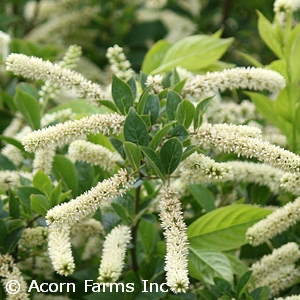
Astilbe japonica 'Montgomery' is a spectacular, award-winning shade perennial prized for bringing intense color and a rich, velvety texture to darker corners of the landscape. It is highly celebrated for its dramatic, feathery plumes of deep scarlet-red flowers that emerge from dark bronze-red buds in midsummer. Even before the magnificent blooms appear, 'Montgomery' commands attention with its highly ornamental, fern-like foliage; the deeply cut, bipinnate leaves emerge with a distinct bronze-burgundy tint in the spring before maturing into a lustrous, dark green. Reaching a mature height of 18 to 24 inches with a 12-18 inch spread, its sturdy, compact, and upright habit ensures the heavy flower spikes remain held high without flopping, making it a premium choice for woodland gardens, shaded borders, and damp low spots.
To achieve peak floral display and prevent the pristine foliage from crisping, the ideal spot for Astilbe 'Montgomery' is a location in partial to full shade, preferably with dappled morning light and complete shelter from harsh, baking afternoon sun. As a member of the japonica group, 'Montgomery' demands consistently moist, organic-rich, and humusy soil; unlike many other perennials, it will not tolerate drying out and will quickly exhibit severe leaf scorch if left in parched earth. While it is incredibly attractive to bees and butterflies, it is virtually untouched by deer and rabbits.
con 1:
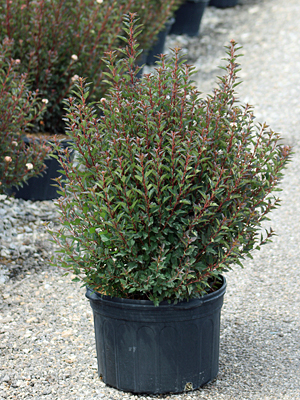
Nice Foliage. Full Pot.
Scroll table horizontally to view all stock & quantities →
| PLANT |
SIZE |
TYPE |
GALENA |
ADD'L |
DIG |
SOON |
| ASTILBE JAP MONTGOMERY | con 1 | | 40 | 0 | 0 | 0 |
Current inventory will be listed above this line. Contact Sales Rep for details. |
Click for key & info
KEY:
con = containers - available now
Galena = Above ground and available now
Additional = Remote location, call rep. Not in Shop.
Dig = Still in ground, call rep. Not in Shop (in orange).
Soon = Coming soon, call rep. Not in Shop.
(BBnPOT - formerly known as GRSTART - are B&B put into a container - they are available now)