 Protected Series: LOW SCAPE
Zone: 3
Protected Series: LOW SCAPE
Zone: 3LOW SCAPE MOUND® CHOKEBERRY
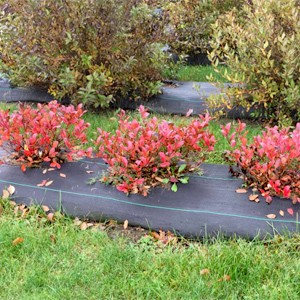
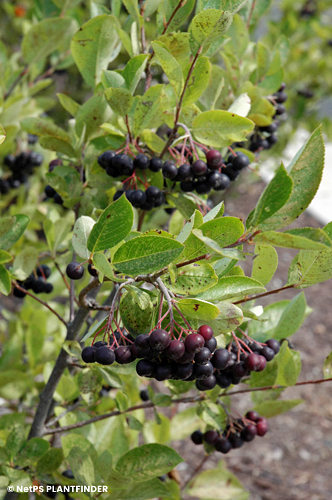
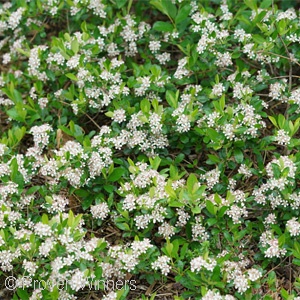
Low Scape Mound® Chokeberry is a master of versatility, functioning as a refined, "ground-hugging" alternative to larger, messier shrubs. This Proven Winners® Color Choice® selection reaches only 1-2 feet in height and maintains a naturally tidy, mound-like dwarf shape that requires virtually no pruning, making it an ideal choice for low-maintenance edging, mass groundcovers, or modern container gardening. Beyond its aesthetic appeal, it is famously "tough-as-nails," boasting incredible tolerance for drought, road salt, and even occasional flooding, while thriving in almost any soil type across USDA zones 3-9.
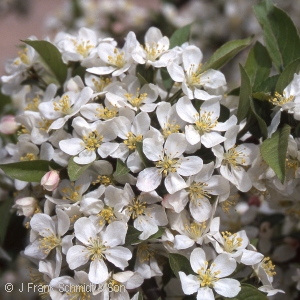
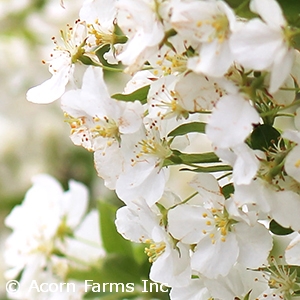
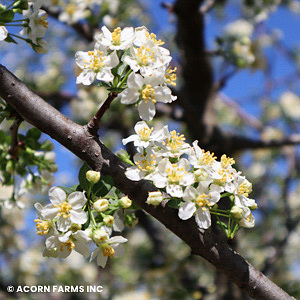
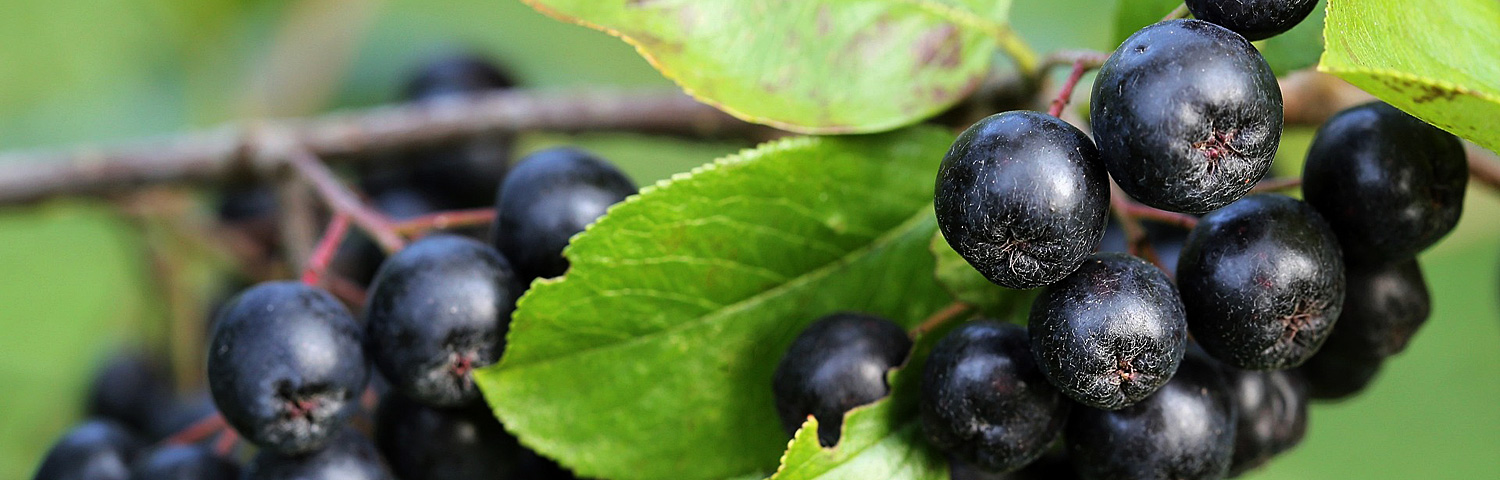
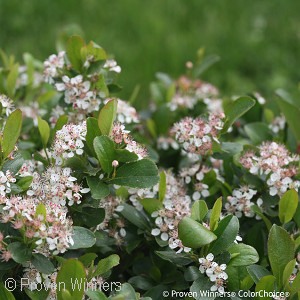
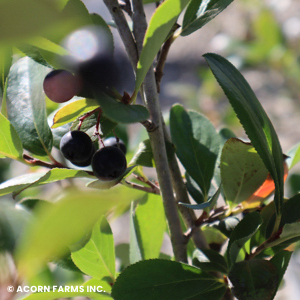
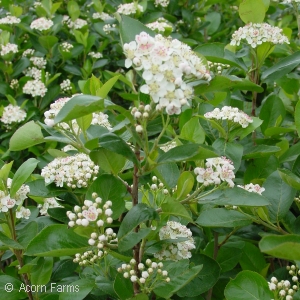
From an ecological and nutritional standpoint, Low Scape Mound® Chokeberry is a heavy hitter. Its spring blossoms serve as a vital nectar source for pollinators, while its summer foliage transitions into a showy crimson-red autumn display that rivals the Burning Bush. Its dark purple fruits are true "superfoods," containing some of the highest recorded levels of anthocyanins (powerful antioxidants) in the plant kingdom. While the berries are quite tart when eaten fresh, earning the name "chokeberry", they are highly sought after for health-boosting syrups, smoothies, and jams that support immune and cardiovascular health.
| PLANT | SIZE | TYPE | GALENA | ADD'L | DIG | SOON |
| ARONIA MEL LOW SCAPE MOUND | con 3 | BI | 8 | 0 | 0 | 0 |
| ARONIA MEL LOW SCAPE MOUND | con 3 | PWINNER | 10 | 0 | 0 | 0 |
Current inventory will be listed above this line. This plant will not be in the cart if there is no Galena stock listed. Contact Sales Rep for details. | Click for Availability column key & information.
To help this plant settle in and thrive, we recommend these standard planting practices: Plant in moist, well-draining soil, although this species is remarkably adaptable and tolerates wet sites or compacted soil better than most shrubs. Select a location with full sun to partial shade, noting that maximum sun exposure is required for the most prolific fruit production and intense autumn leaf color. Establishment is straightforward, but consistent watering during the first season ensures the root system develops properly. Because Aronia has a natural suckering habit, prune in late winter or early spring to manage size or remove old canes if a more formal appearance is desired.
ALSO AVAILABLE:
★ ON SALE ★