 Protected Series:
Zone: 6
Protected Series:
Zone: 6JENNY KIWI
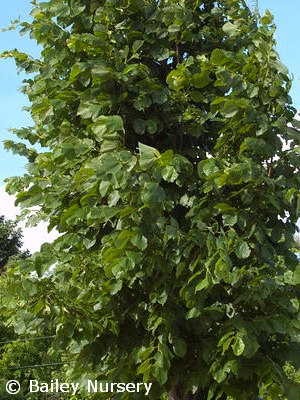
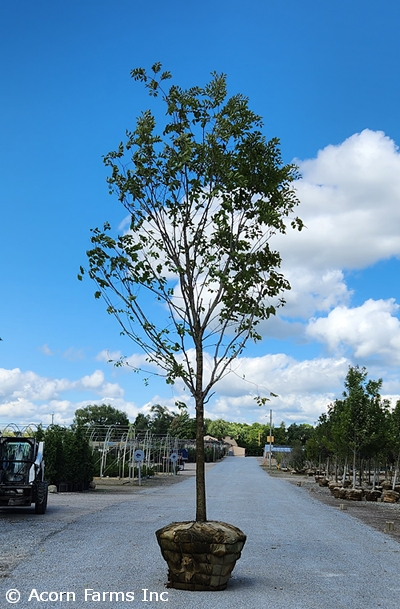
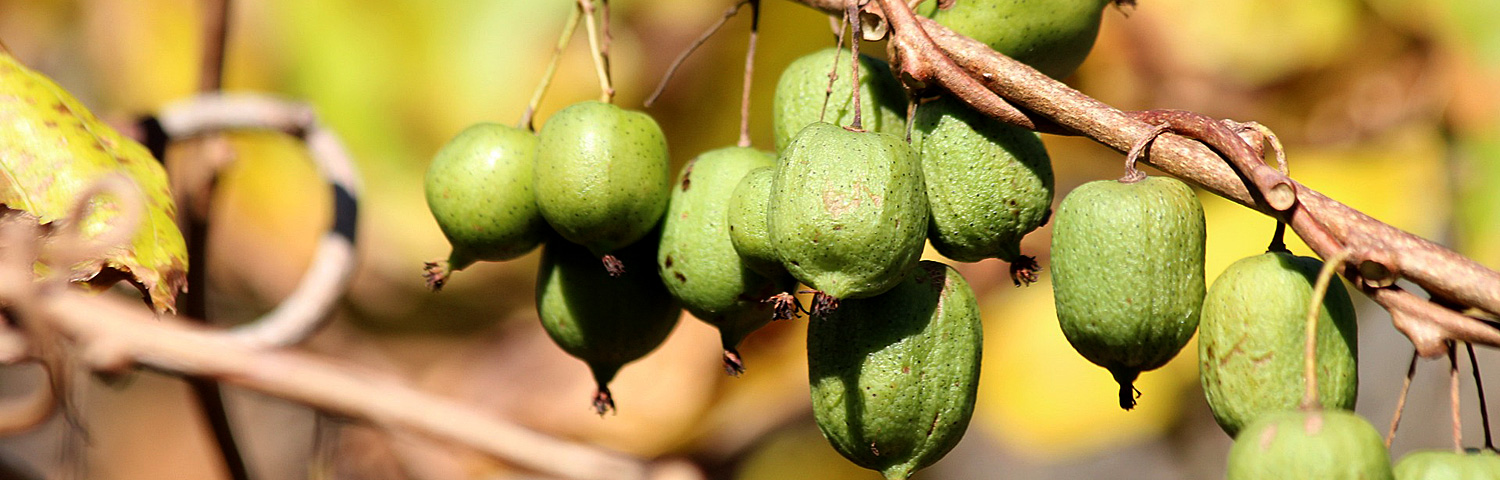
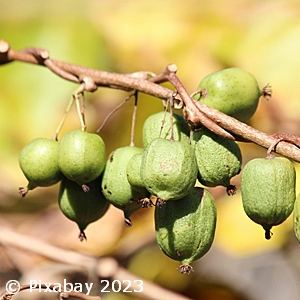
Actinidia arguta 'Jenny' is commonly referred to as Jenny Kiwi. It is a deciduous climbing plant that produces kiwi fruit. It is noteworthy for being a self-fertile variety so you only need one plant to get fruit. It features large, heart-shaped, green leaves with red tips and produces small clusters of white flowers in early summer. In late summer, brown, hairy, egg-sized kiwi fruit develop. Sweet, juicy fruit typically grow to only 1.5 inches long. They are similar in taste but sweeter than the much larger kiwi fruits sold in grocery stores. Fruits do not need to be peeled - they can be eaten skin and all like a grape.
Jenny Kiwi is a heavy fruit producer and thrives in full sun to partial shade in light, sandy, evenly moist, well-drained soils.
| PLANT | SIZE | TYPE | GALENA | ADD'L | DIG | SOON |
Current inventory will be listed above this line. This plant will not be in the cart if there is no Galena stock listed. Contact Sales Rep for details. | Click for Availability column key & information.
To help this plant settle in and thrive, we recommend these standard planting practices: Plant in deep, fertile, well-draining soil, selecting a location that provides full sun to partial shade, preferably with some protection from strong winds. Kiwis are vigorous plants that require consistent moisture to remain healthy and productive, so ensure the soil remains moist but not waterlogged. Because these plants have extensive root systems and significant foliage, they require substantial space and a very sturdy support system, such as a heavy-duty trellis or arbor, to accommodate their rapid growth.
Pruning is essential for kiwi fruit production, as fruit is typically produced on current-season growth that arises from one-year-old wood. Prune in late winter while the plant is dormant to remove excess growth and manage the size of the vine and perform supplemental pruning during the growing season to prevent overcrowding.
ALSO AVAILABLE:
No other plants currently in stock for this genus.★ ON SALE ★