RIBBON LEAF JAPANESE MAPLE
ACER PAL ATROLINEARE
Acer palmatum 'Atrolineare'
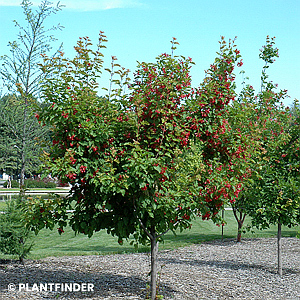
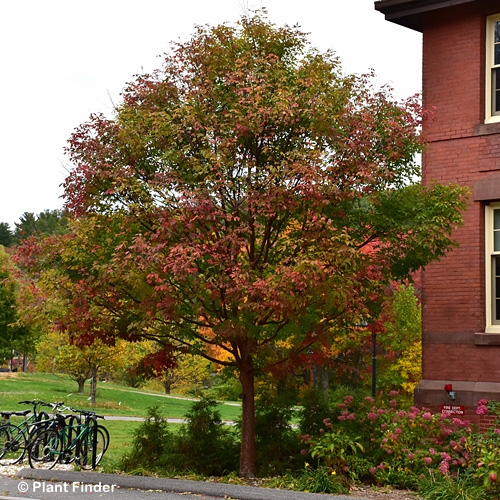
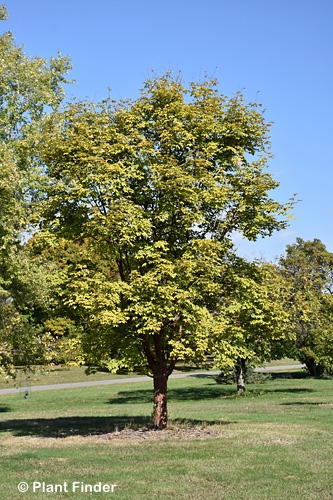
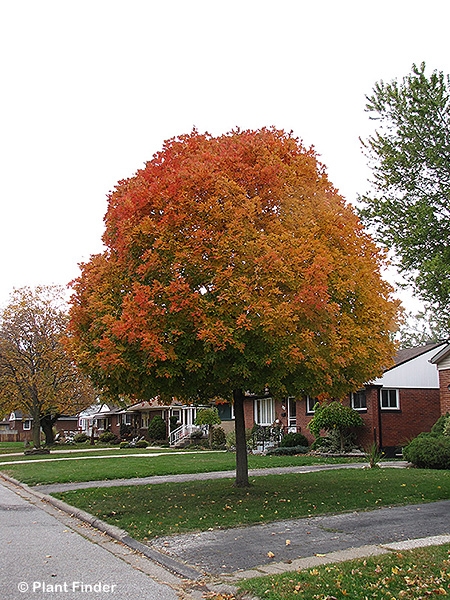
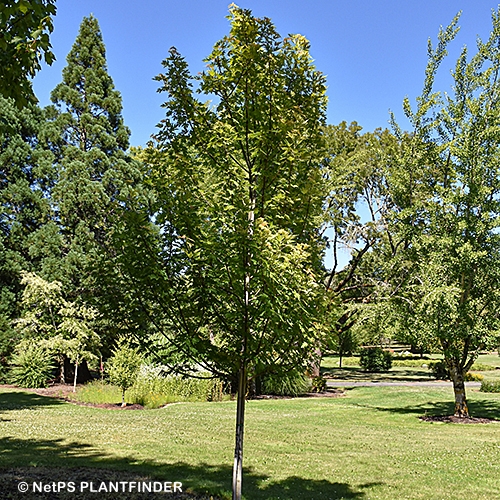
photo courtesy of Plant Finder
RIBBON LEAF JAPANESE MAPLE
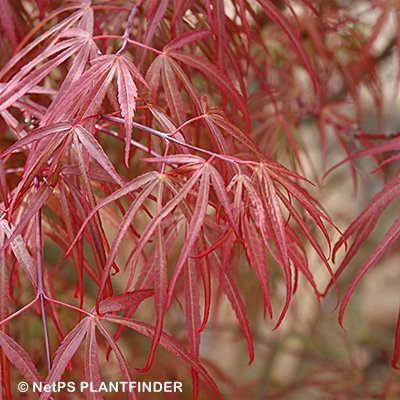
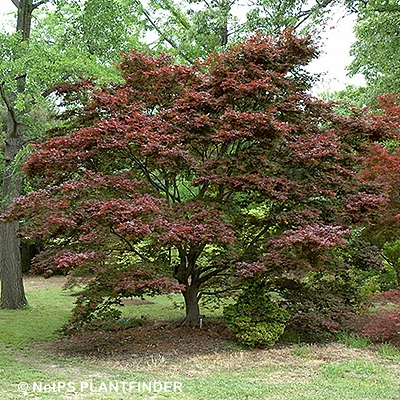
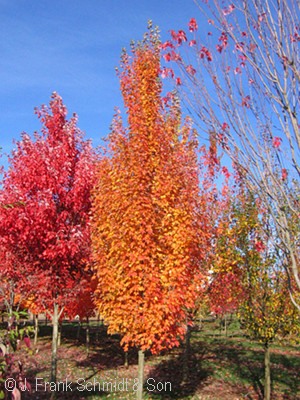
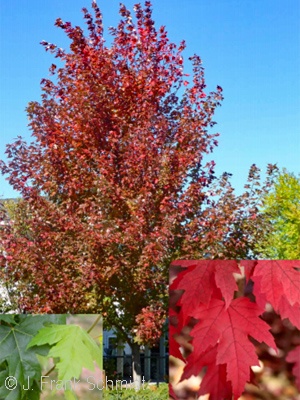
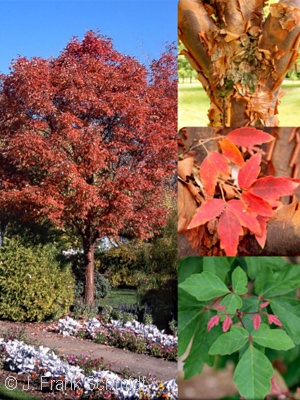
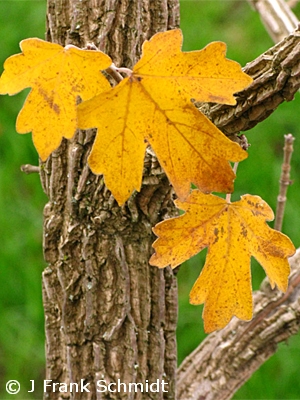
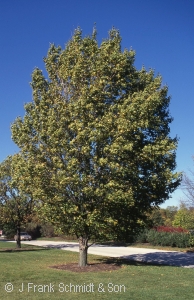
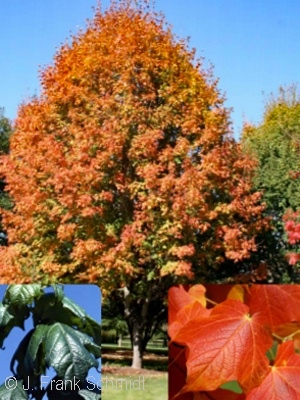
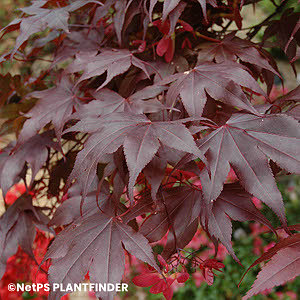
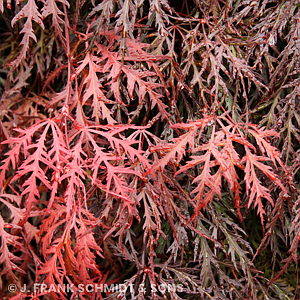
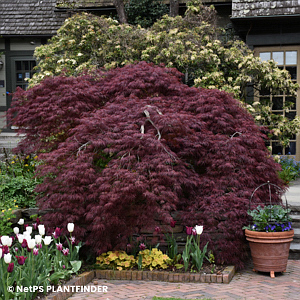
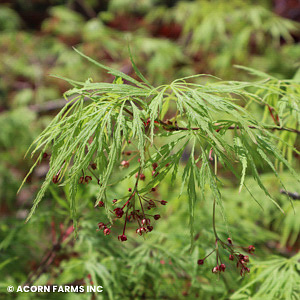
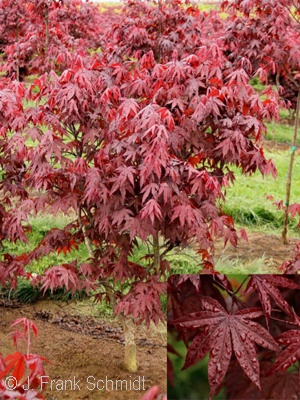
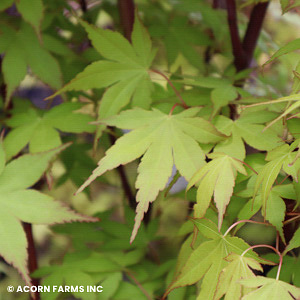
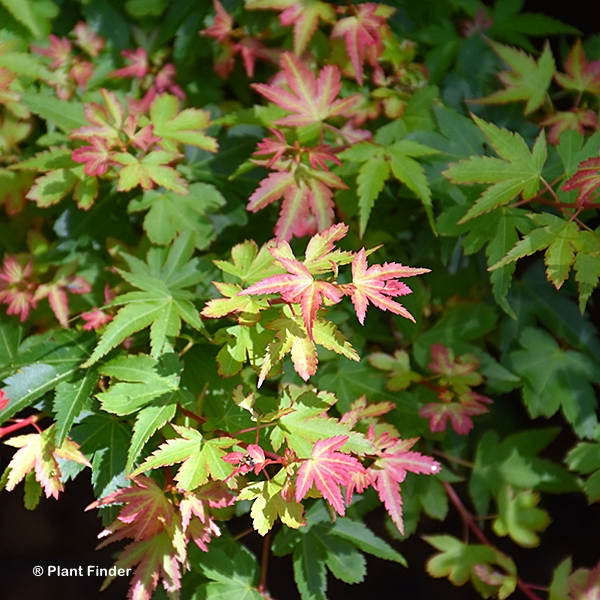
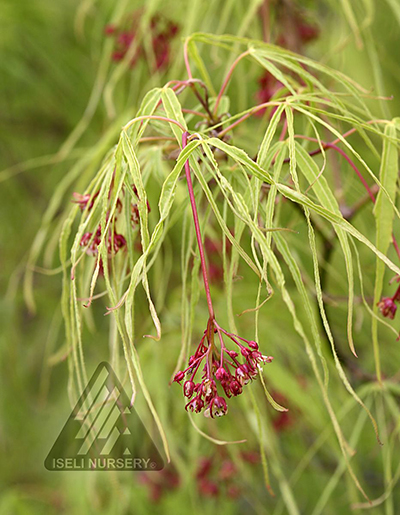
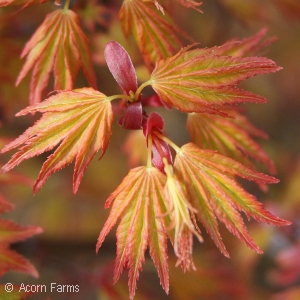
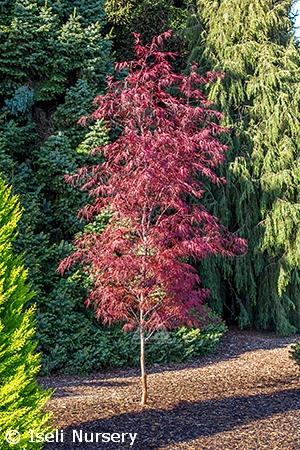
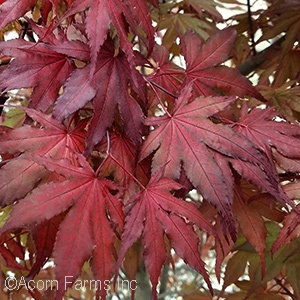
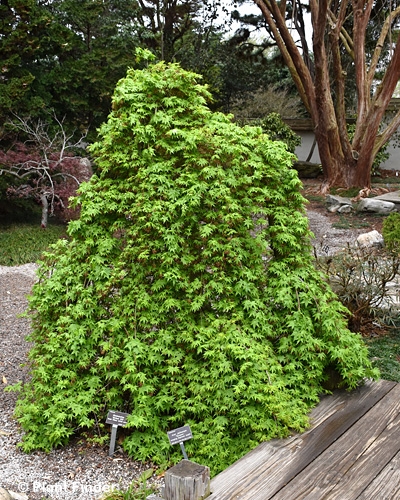
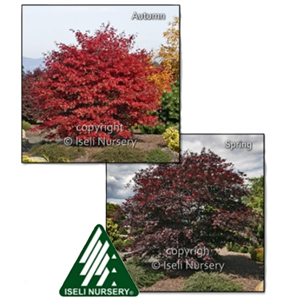
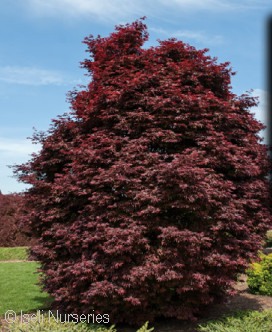
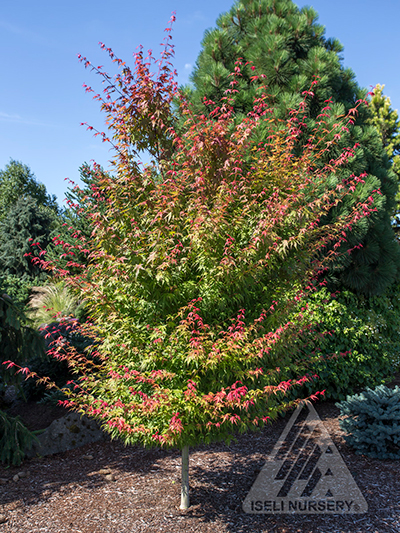
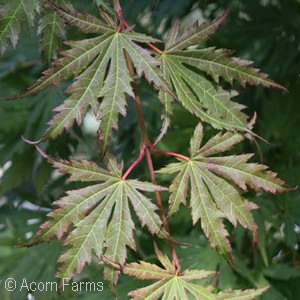
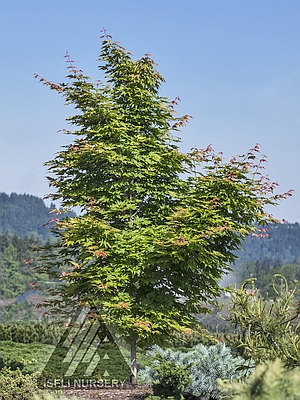
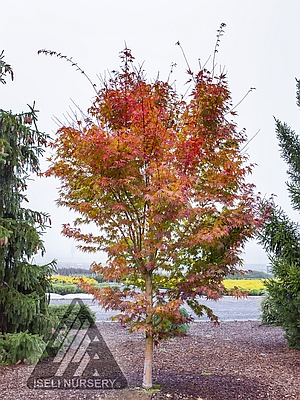
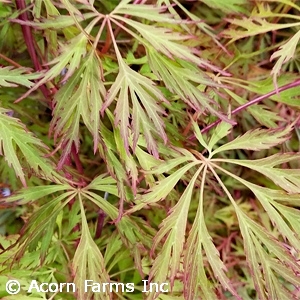
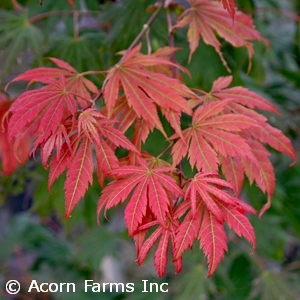
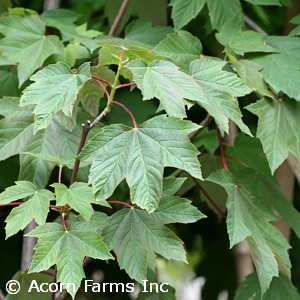
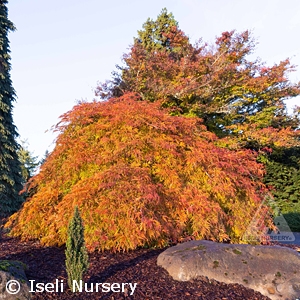
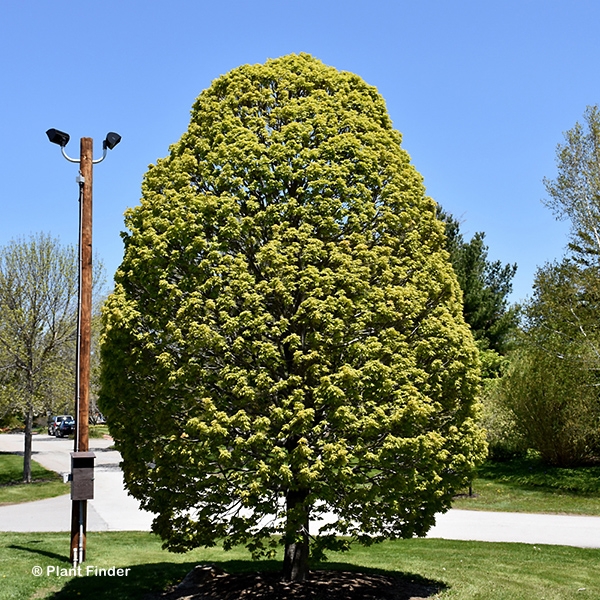
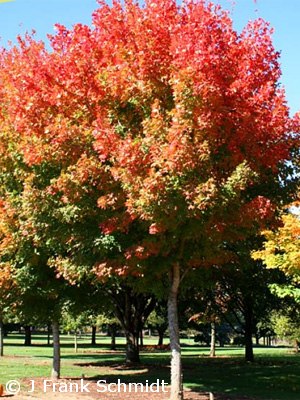
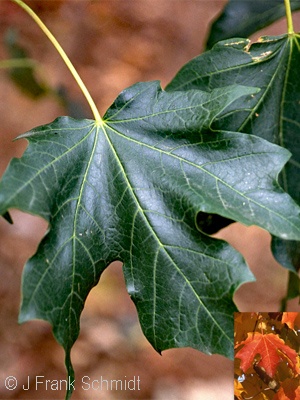
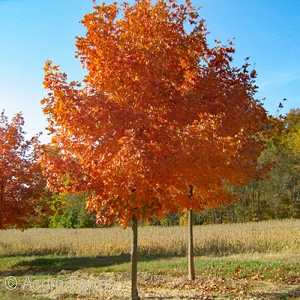
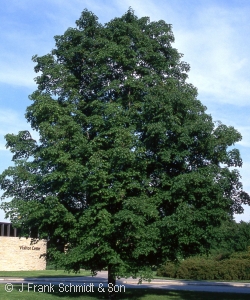
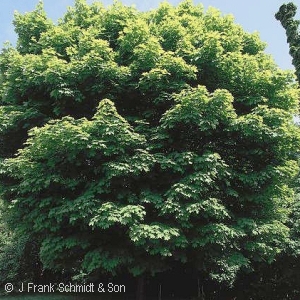
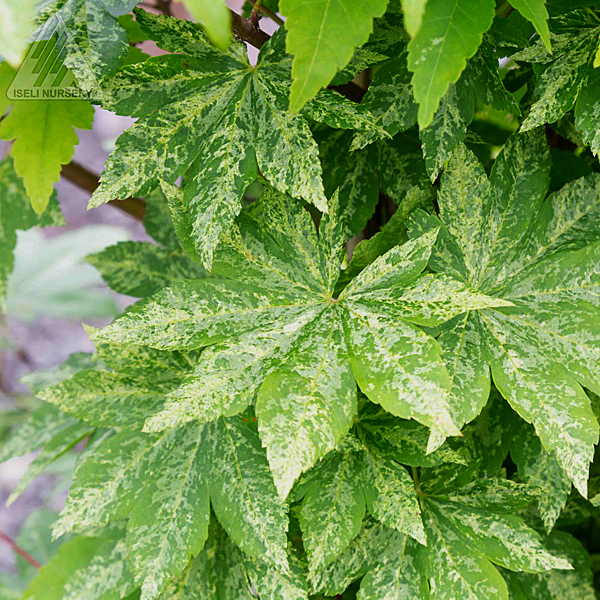
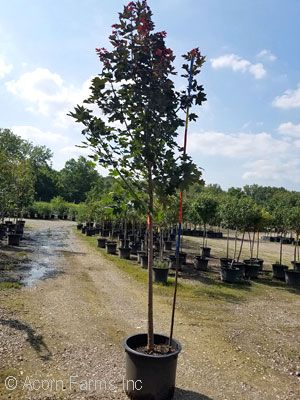
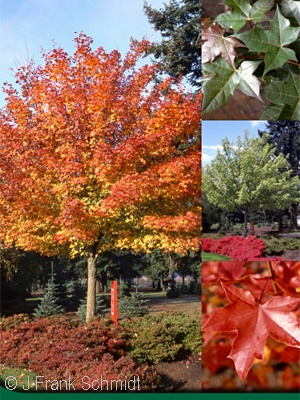
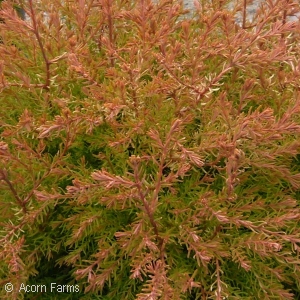
Acer palmatum 'Atrolineare' is commonly referred to as Ribbon-Leaf Japanese Maple. It is an upright, dense, compact, deciduous tree that features ribbon-like leaves that emerge dark red before turning bronze with green undertones. In the fall, the delicately textured foliage turns a showy red and orange.
Ribbon-Leaf Japanese Maple is low-maintenance and thrives in full sun to partial shade in organically rich, slightly acidic, evenly moist, well-drained soils. It is ideal as a specimen plant for cottage and city gardens.
Scroll table horizontally to view all stock & quantities →
| PLANT |
SIZE |
TYPE |
GALENA |
ADD'L |
DIG |
SOON |
| No current sizes listed in database. |
Current inventory will be listed above this line. Contact Sales Rep for details. |
Click for key & info
KEY:
con = containers - available now
Galena = Above ground and available now
Additional = Remote location, call rep. Not in Shop.
Dig = Still in ground, call rep. Not in Shop (in orange).
Soon = Coming soon, call rep. Not in Shop.
(BBnPOT - formerly known as GRSTART - are B&B put into a container - they are available now)