ACER NIGRUM ACORN FARMS

BLACK MAPLE
ACER NIGRUM

Acer saccharum subsp. nigrum

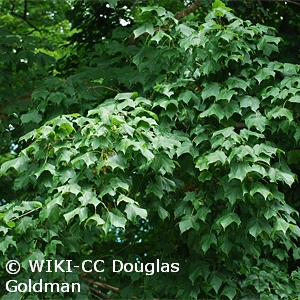
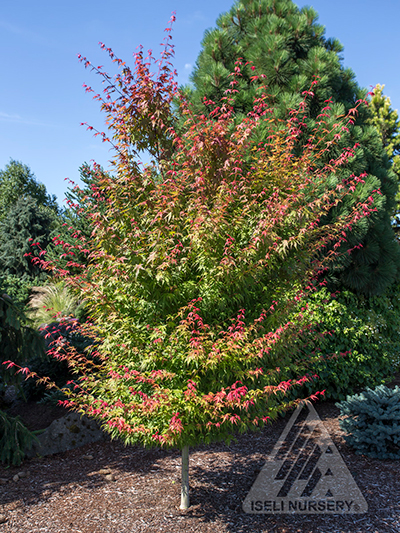
photo courtesy of WIKI-CC Douglas Goldman
ACER NIGRUM
Genus: ACER
trademark info Protected Series:
Height: 70 Feet Tall
Spread: 30-40 Feet Wide
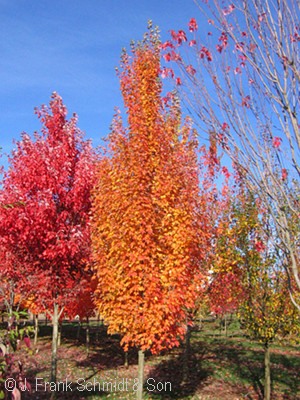
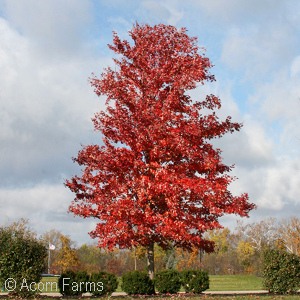
Color: yellow fall color
Full Sun Plants
Full Sun Deciduous Tree Plants
Deciduous Tree
Zone: 5
#0664  
            native *  


BLACK MAPLE

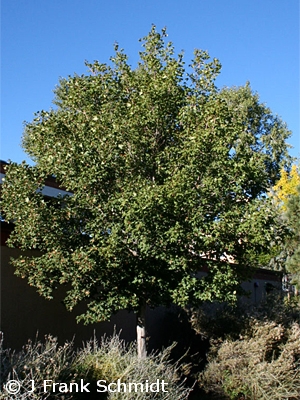
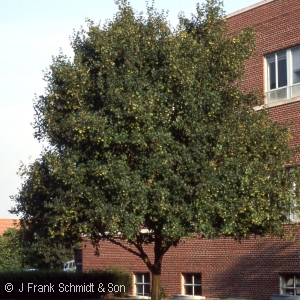
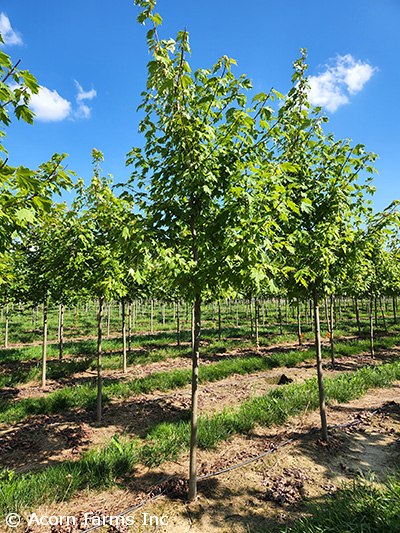
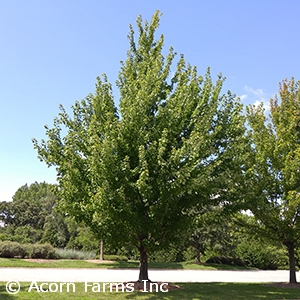
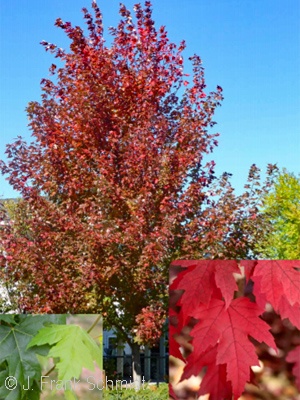
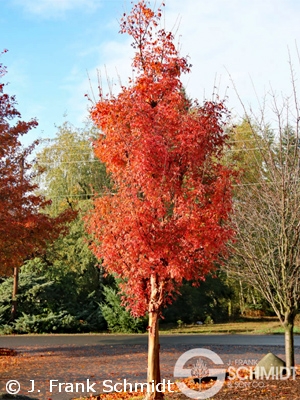
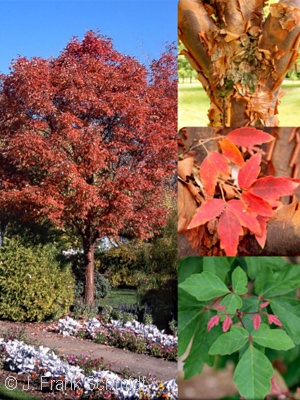
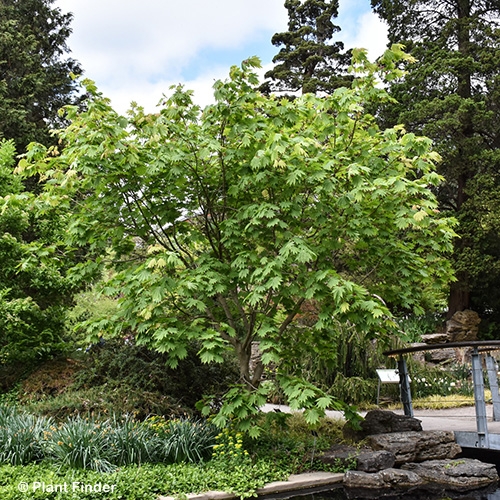
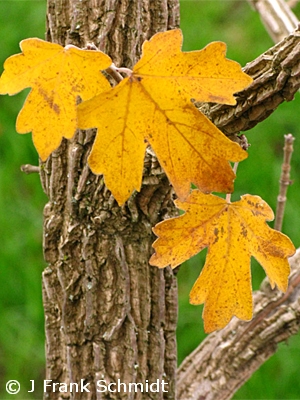
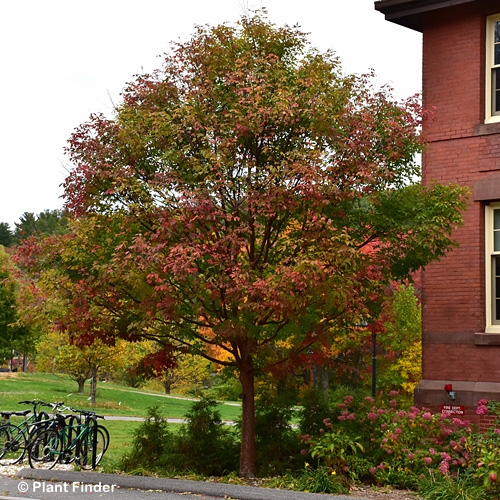
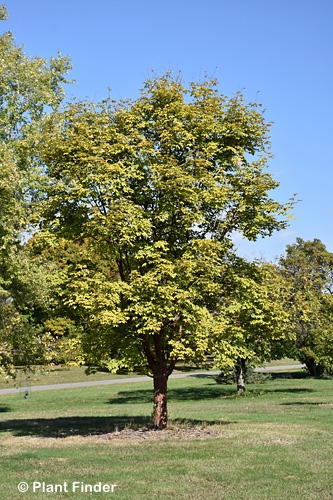
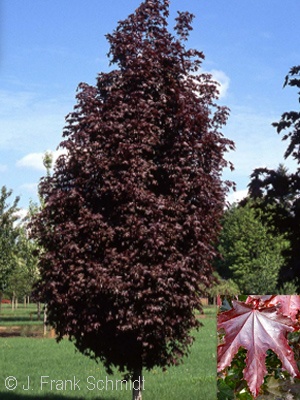
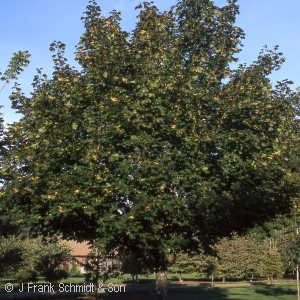
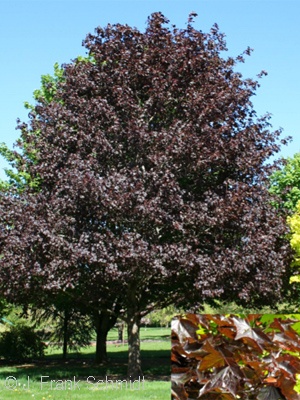
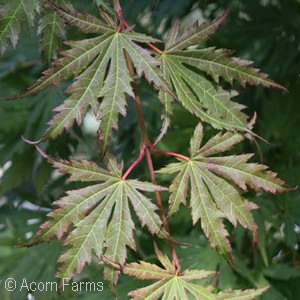
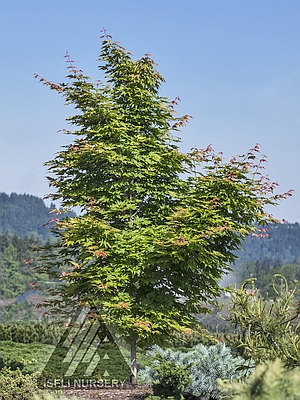
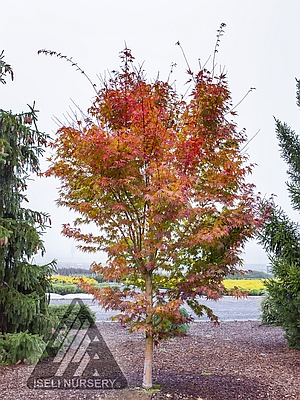
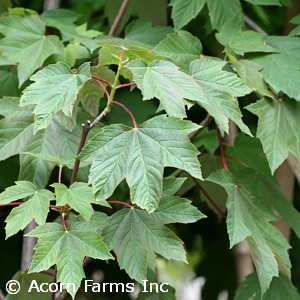
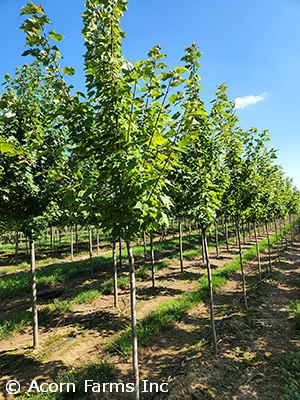
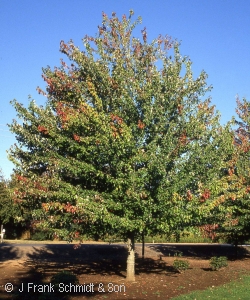
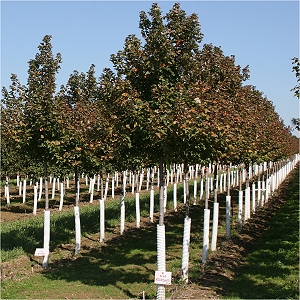
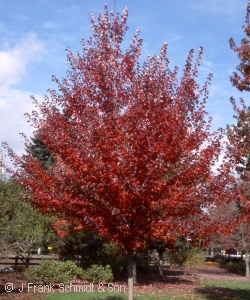
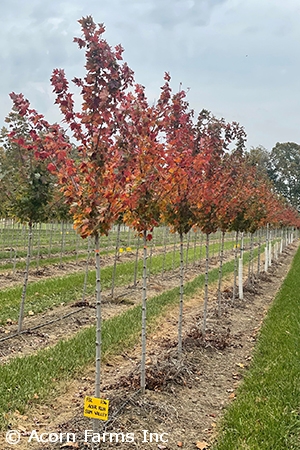
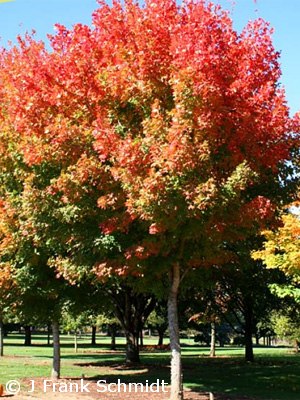
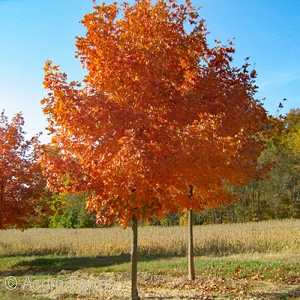
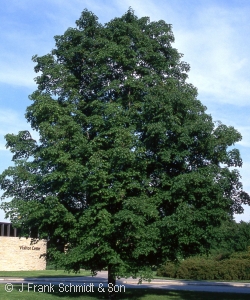
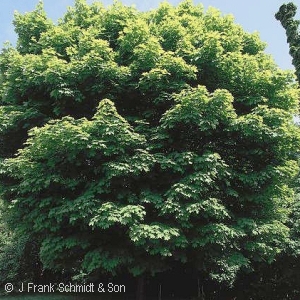
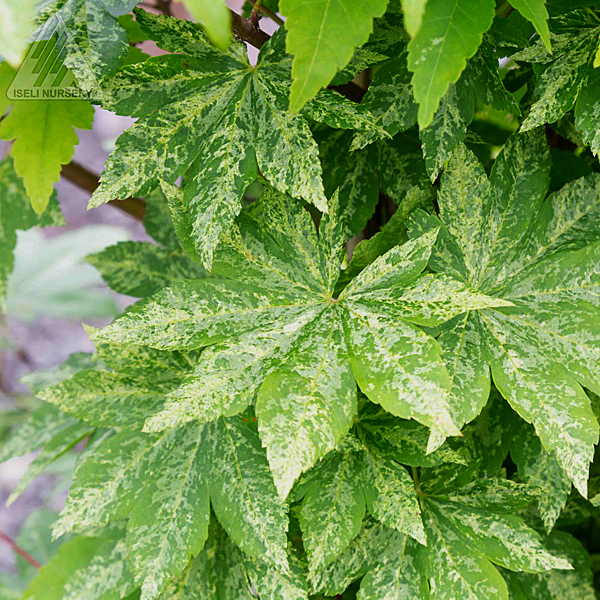
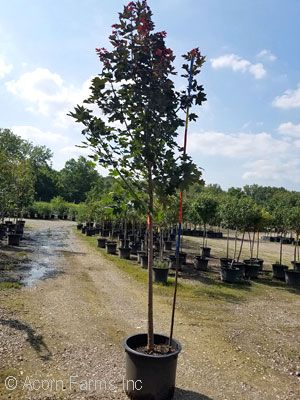
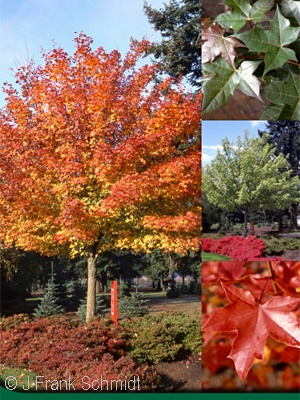
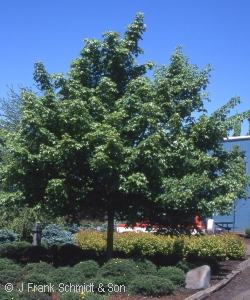
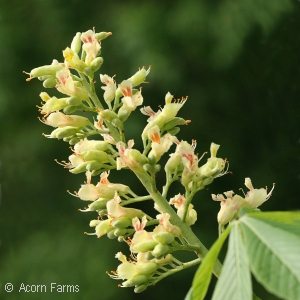
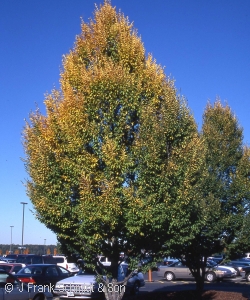
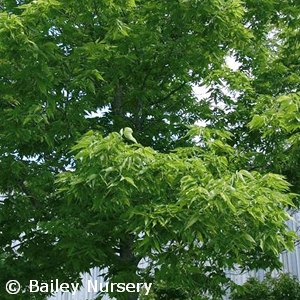
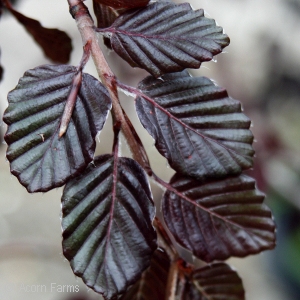
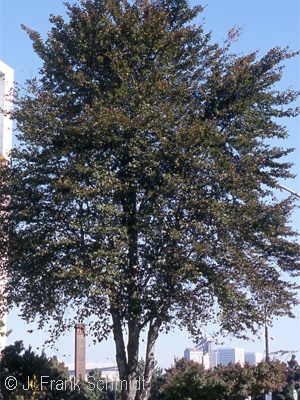
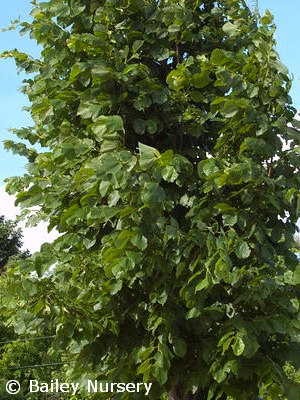
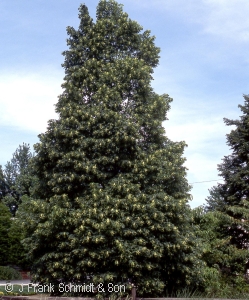
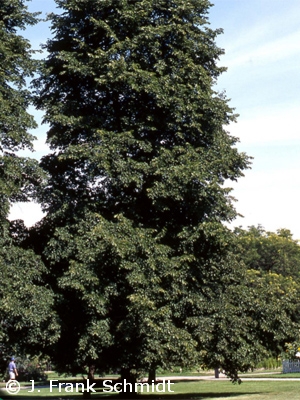
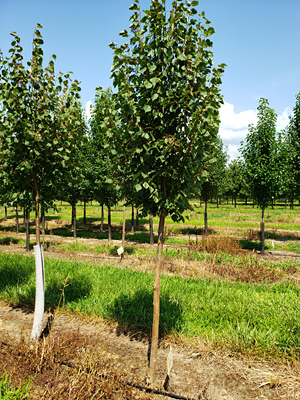
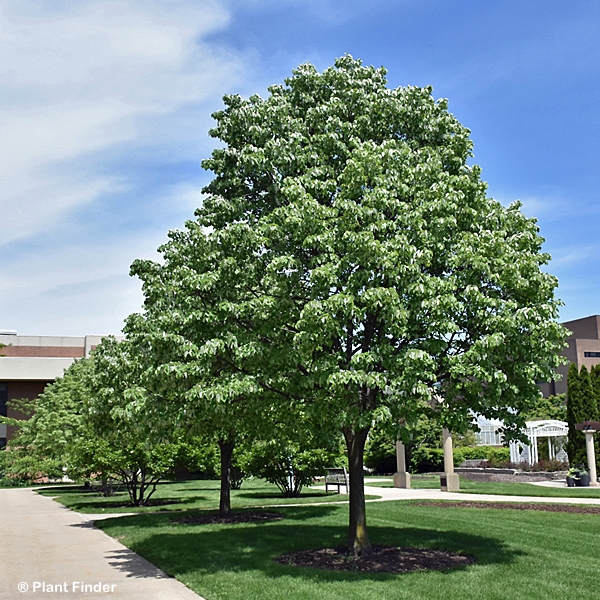
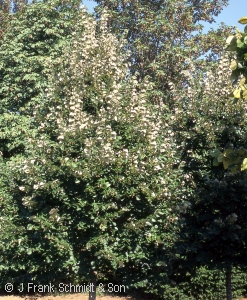
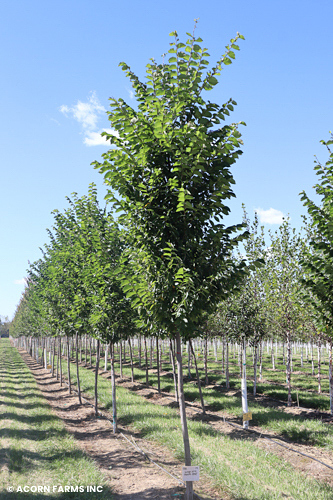
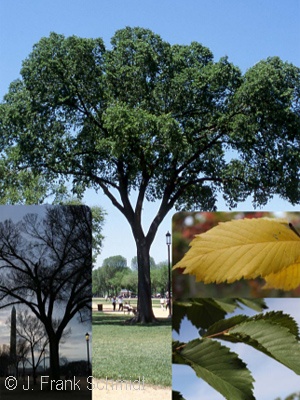
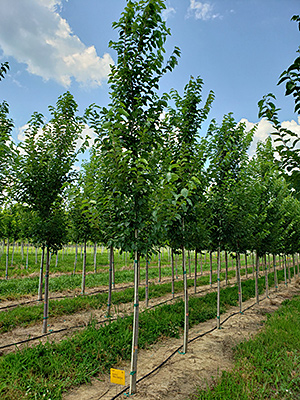
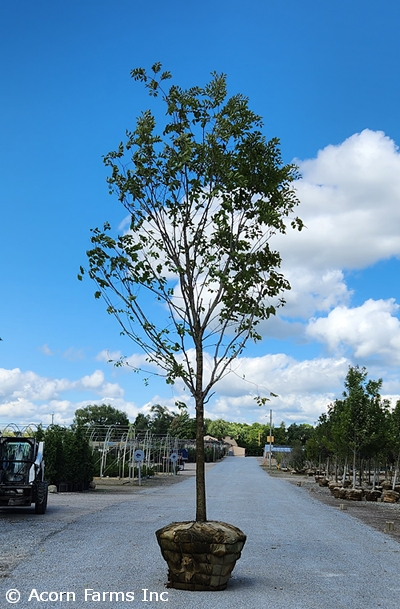
The Black Maple is a large, deciduous tree native to the Eastern and Central US with a dense, rounded crown. It is considered a subspecies of the Sugar Maple (Acer saccharum subsp. Nigrum). It is very similar to the Sugar Maple, but better suited for hot, dry summers. It has hanging clusters of greenish yellow flowers that appear when the leaves emerge. The green leaves tend to be hairier than the Sugar Maple and turn yellow shades in fall rather than orange.

The Black Maple is more tolerant to moist soils than the Sugar Maple who cannot tolerate them. It thrives in full sun and moist, fertile, well-drained soils.


PLANT SIZE TYPE GALENA ADD'L DIG SOON

Any current Availability will be listed above this line. This item will not be in the cart if there is no Galena stock listed here.

KEY:
con = containers - available now
Galena = Above ground and available now
Additional = Remote location, call rep. Not in Shop.
Dig = Still in ground, call rep. Not in Shop.
Soon = Coming soon, call rep. Not in Shop.

(BBnPOT - formerly known as GRSTART - are B&B put into a container - they are available now)

(Acer) Maple Varieties:
Amur | Big Tooth | Black | Box Elder | Full Moon | Fernleaf Full Moon | Hedge | Henry | Japanese | Japanese-Laceleaf | Korean | Manchurian | Miyabe | Norway | Paperbark | Red | Red/Silver | Shantung | Shebold | Shirasawas | Silver | Striped | Sugar | Sycamore | Tatarian | Trident | Vine

Other Deciduous Trees


Planting Tips

To help this plant settle in and thrive, we recommend these standard planting practices: Plant in a location with full sun to partial shade, and ensure the soil is well-draining. Water regularly, but avoid overwatering. Mulch around the base to retain moisture and suppress weeds. Fertilize annually with a balanced fertilizer. Prune in late winter or early spring to maintain shape and promote healthy growth.


Available cultivars in this genus: