 Protected Series:
Zone: 4
Protected Series:
Zone: 4BLUE LYME GRASS
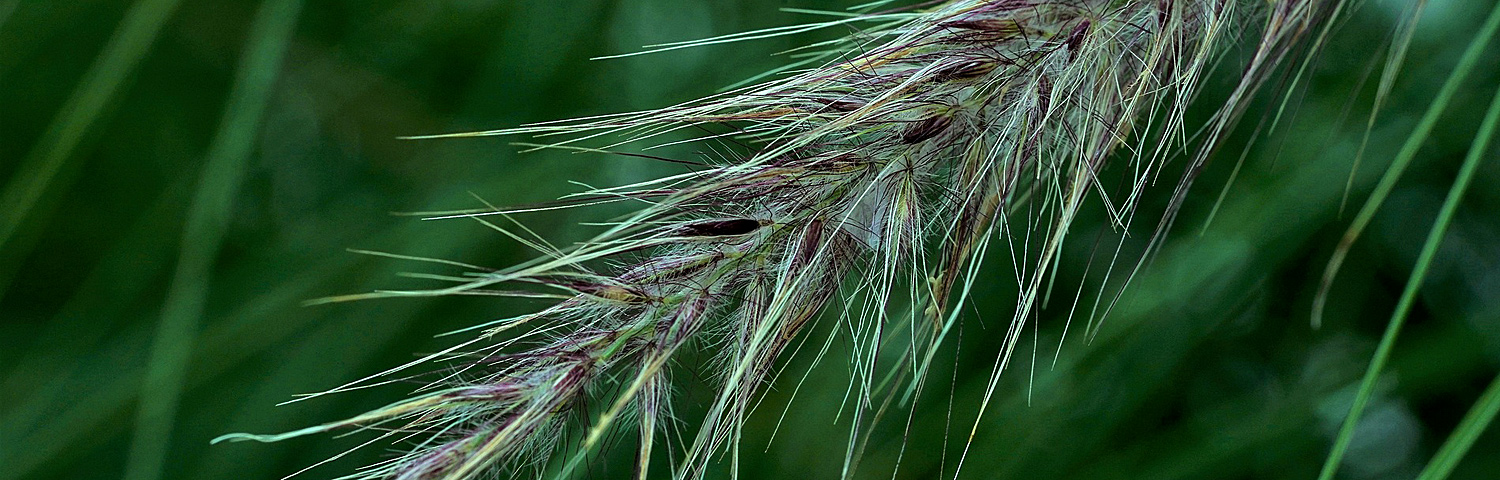
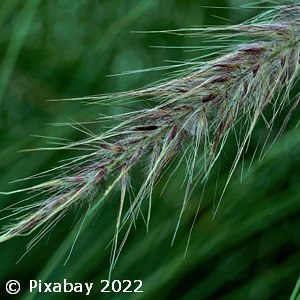
Elymus glaucus 'Blue Dune' is a refined North American native grass prized for its luminous, steel-blue foliage and compact growing habit. It grows in tidy, upright clumps reaching 2 to 3 feet tall. Its narrow, arching blades are coated in a silvery-blue waxy bloom that provides a cooling visual texture to the landscape from spring through fall. In early summer, it sends up slender, wheat-like flower spikes that add a vertical architectural element, eventually maturing into a golden-tan that provides a food source for local songbirds.
Caring for 'Blue Dune' is exceptionally straightforward, as it is a rugged and adaptable "workhorse" for naturalistic gardens. It performs best in full sun to partial shade, though it appreciates a bit of afternoon protection in particularly hot inland climates to preserve its intense blue color. This grass is highly drought-tolerant once established and is not picky about soil, thriving in everything from rocky slopes to heavy clay, provided the drainage is decent. Maintenance is minimal: as a cool-season grass, it should be cut back to about 3-4 inches in late winter or very early spring to clear away old growth and make room for the fresh, silvery-blue shoots to emerge.
| PLANT | SIZE | TYPE | GALENA | ADD'L | DIG | SOON |
Current inventory will be listed above this line. This plant will not be in the cart if there is no Galena stock listed. Contact Sales Rep for details. | Click for Availability column key & information.
To help Elymus settle in and thrive, we recommend these standard planting practices: Plant in full sun to partial shade in well-drained, average soil. Elymus (Wild Rye) is a cool-season grass prized for its striking, metallic-blue foliage and upright, architectural habit. Please note: Many Elymus varieties are vigorous, rhizomatous spreaders; they are best utilized in naturalized areas, meadows, or large beds where they have ample room to expand. Avoid planting in small, confined garden beds or near delicate perennials, as they can be difficult to contain. Cut the foliage back to the ground in late winter or early spring to encourage fresh, colorful growth for the upcoming season.
AVAILABLE VARIETIES:
No other plants currently in stock for this genus.★ ON SALE ★