 Protected Series:
Zone: 5
Protected Series:
Zone: 5TOM THUMB COMPACT CRANBERRY COTONEASTER
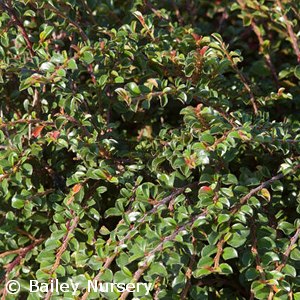
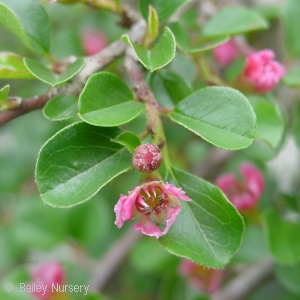
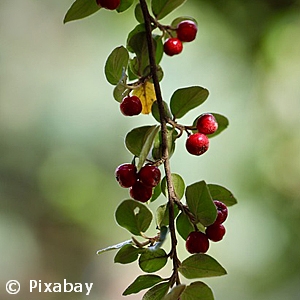
Cotoneaster apliculata 'Tom Thumb' is commonly referred to as Tom Thumb Cotoneaster. It is a smaller, more compact variety that grows low to the ground and is self-rooting. Unlike other cotoneasters, it does not spread beyond its desired space. It has glossy green, fine textured leaves and small light pink flowers in spring followed by fruit in the form of small pomes in shades of red and orange that persist into winter. Excellent brick red fall color.
Tom Thumb Cotoneaster enjoys full to part sun in average, well-drained soils. It will not tolerate standing water. It can handle environmental salt and can thrive in city environments.
| PLANT | SIZE | TYPE | GALENA | ADD'L | DIG | SOON |
| COTONEASTER API TOM THUMB | con 3 | 12-15 in | 10 | 0 | 0 | 0 |
Current inventory will be listed above this line. This plant will not be in the cart if there is no Galena stock listed. Contact Sales Rep for details. | Click for Availability column key & information.
To help this plant settle in and thrive, we recommend these standard planting practices: Plant in well-draining soil, as these species are particularly sensitive to waterlogged conditions and root rot, especially during the winter months. Select a site in full sun to partial shade, which encourages the most prolific flowering and the development of their signature autumn berries. These shrubs are highly adaptable and exhibit excellent drought tolerance once established, requiring supplemental water primarily during the first season or periods of severe heat. Prune in late winter or early spring to shape the plant or manage its spread, as these varieties possess a naturally vigorous, sprawling habit that benefits from occasional maintenance.
ALSO AVAILABLE:
★ ON SALE ★