 Protected Series:
Zone: 3
Protected Series:
Zone: 3GOLDEN SHADOWS PAGODA DOGWOOD
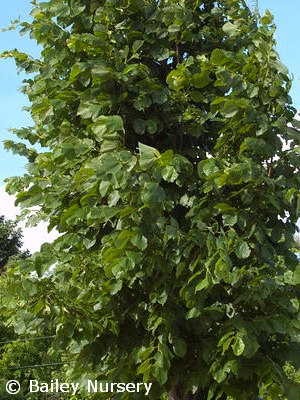
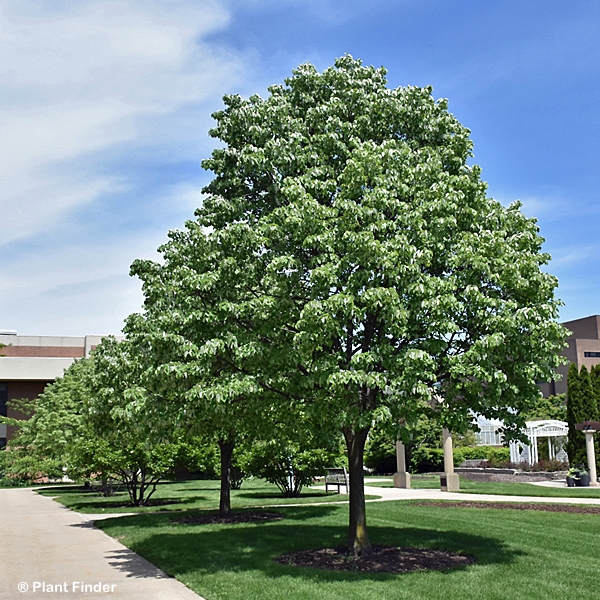
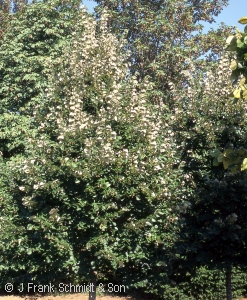
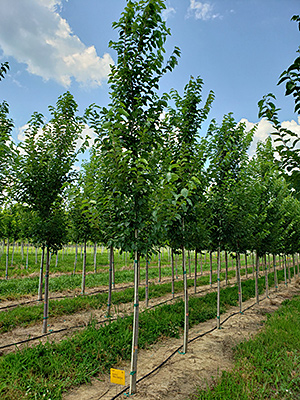
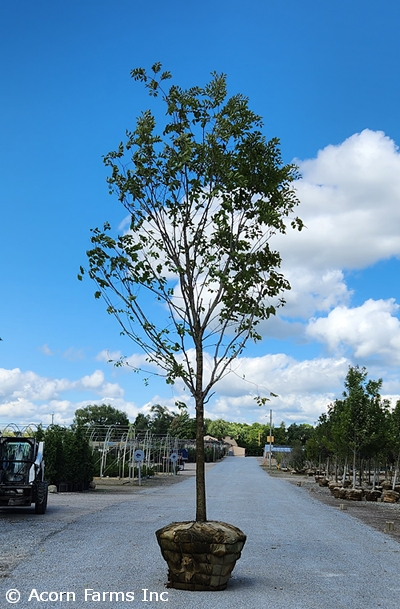
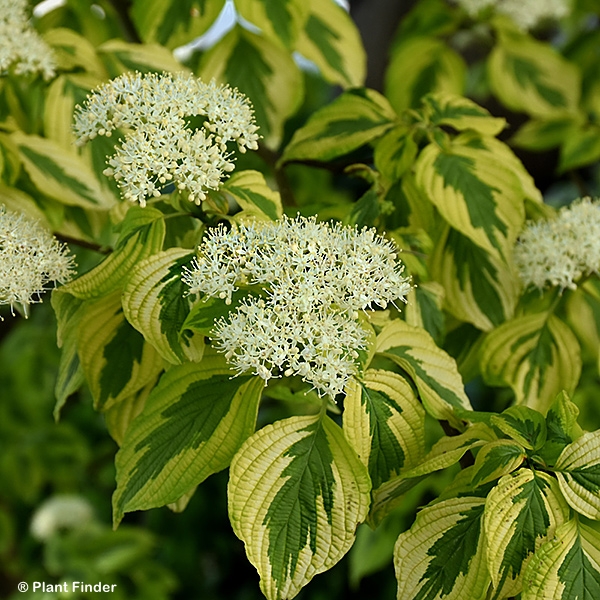
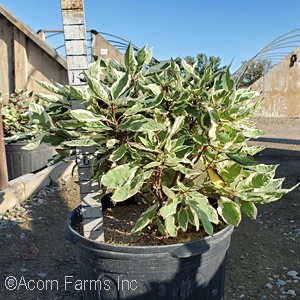
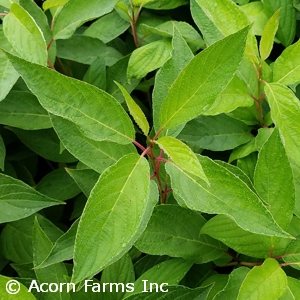
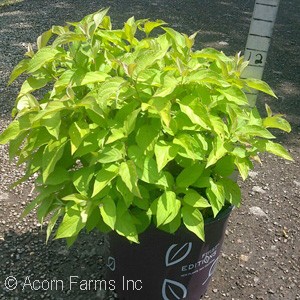
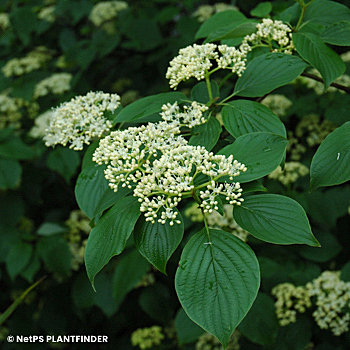
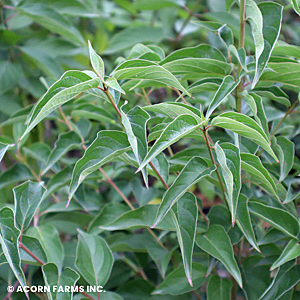
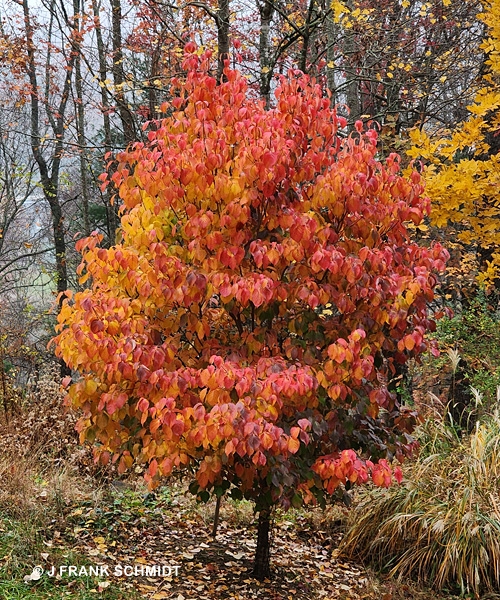
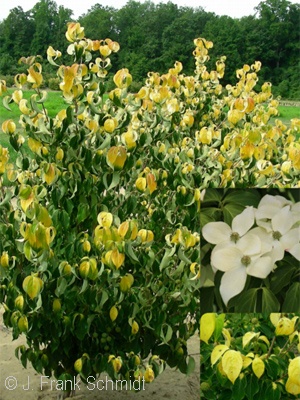
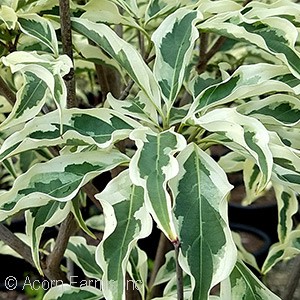
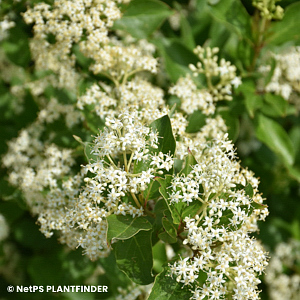
Cornus alternifolia 'Golden Shadows' is more commonly called Golden Shadows Pagoda Dogwood. It is a graceful small tree with iridescent lime-green leaves broadly edged in gold with fragrant, white clusters of flower bracts. Dark blue fruit appear later in the season. Foliage turns a reddish purple in fall.
The Pagoda Dogwood is a native, deciduous, multi-stemmed shrub or small tree with textured, light green leaves and blue-black fruits. Fragrant creamy white flowers are borne in late May and early June. It thrives in open, dappled shade areas with organic, moist, well-drained, acidic soils. It will tolerate clay soils but will grow more slowly.
| PLANT | SIZE | TYPE | GALENA | ADD'L | DIG | SOON |
| CORNUS ALT GOLDEN SHADOWS | con 15 | 0 | 0 | 0 | 1 |
Current inventory will be listed above this line. This plant will not be in the cart if there is no Galena stock listed. Contact Sales Rep for details. | Click for Availability column key & information.
To help this plant settle in and thrive, we recommend these standard planting practices: Plant in a location with dappled shade or partial sun; this tree prefers cooler sites and does not tolerate intense, dry heat well. Ensure soil is rich, consistently moist, and well-draining. When planting, keep the root flare visible at the soil surface. Water deeply and regularly during dry spells to maintain soil moisture. Minimal pruning is required; avoid pruning whenever possible to preserve the tree's natural, horizontal tiered branching habit.
ALSO AVAILABLE:




★ ON SALE ★