 Protected Series:
Zone: 5
Protected Series:
Zone: 5SATOMI CHINESE DOGWOOD
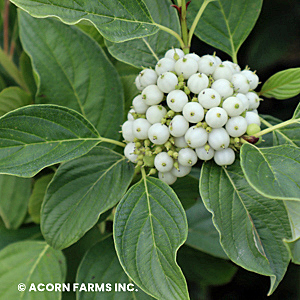
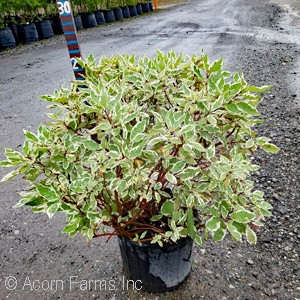
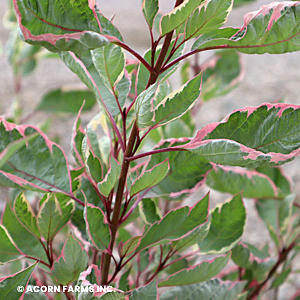
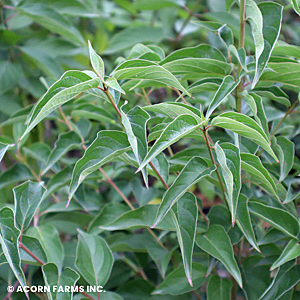
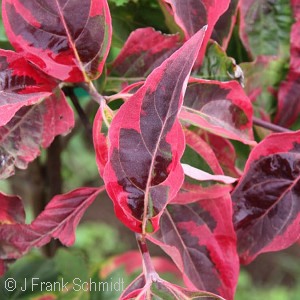
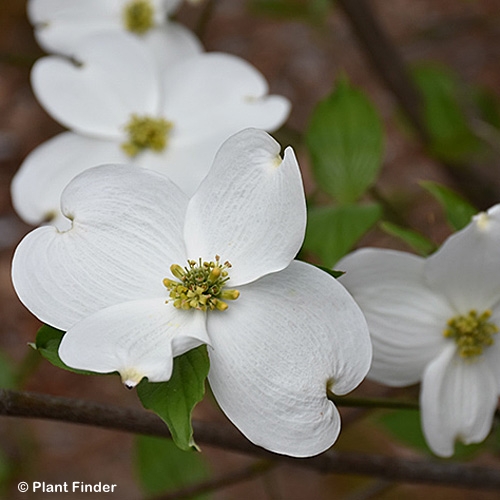
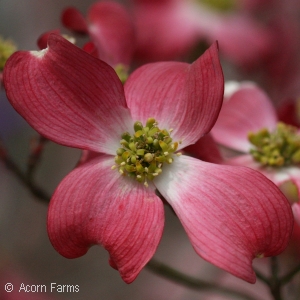
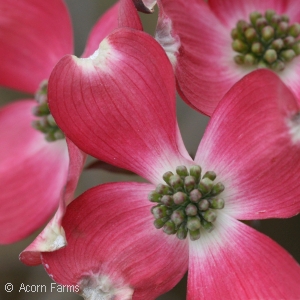
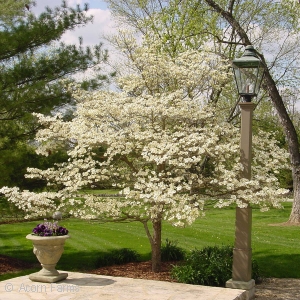
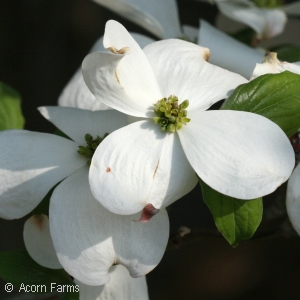
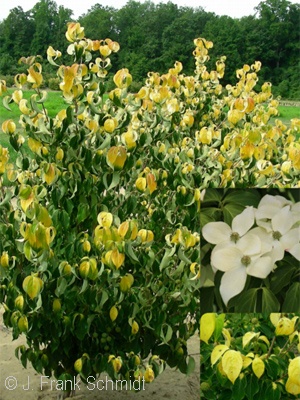
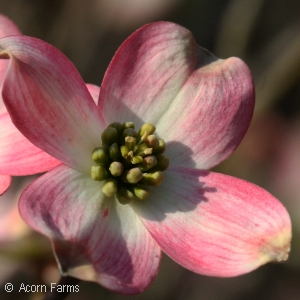
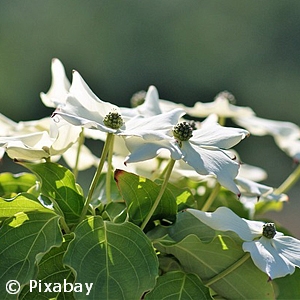
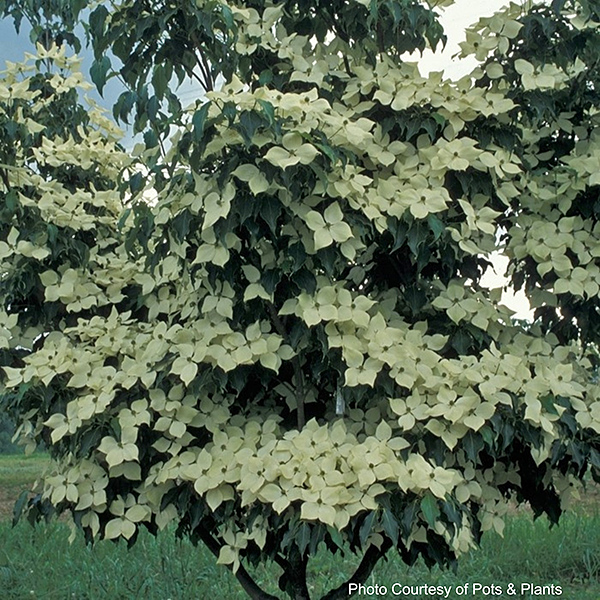
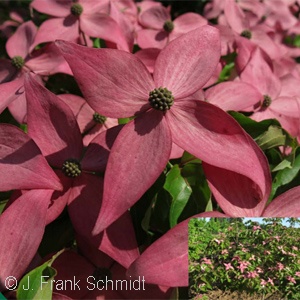
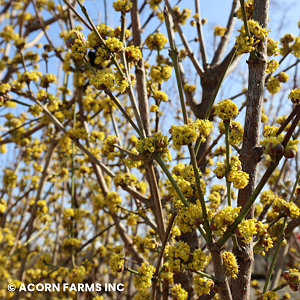
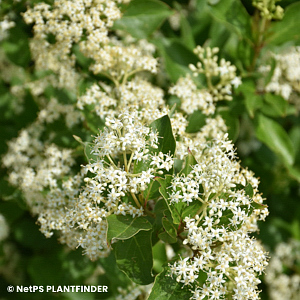
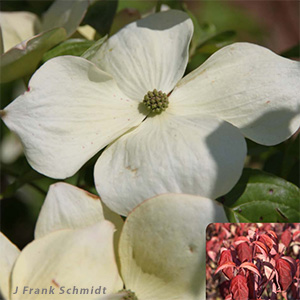
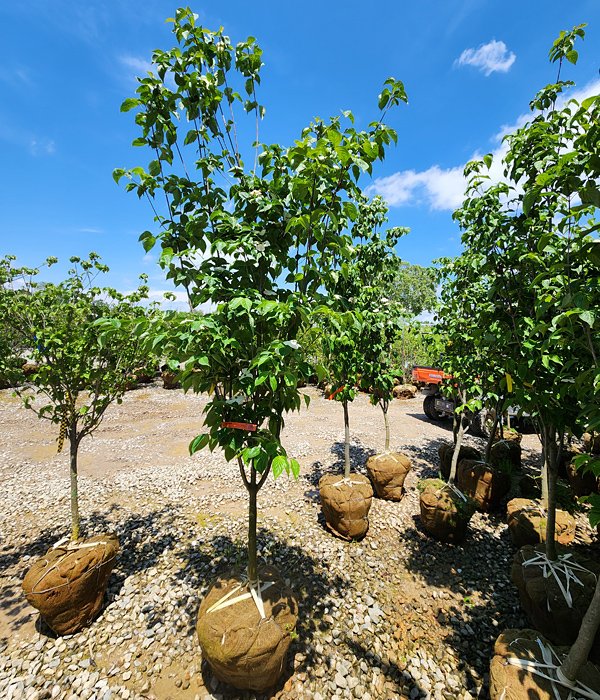
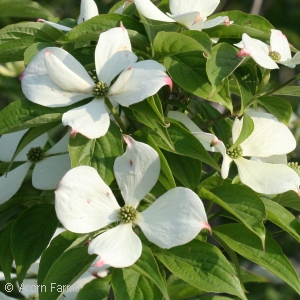
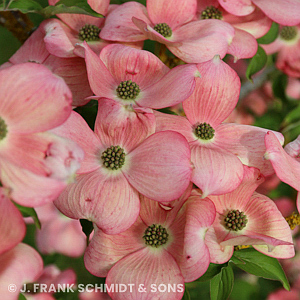
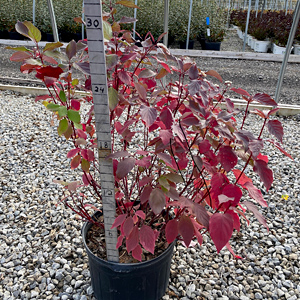
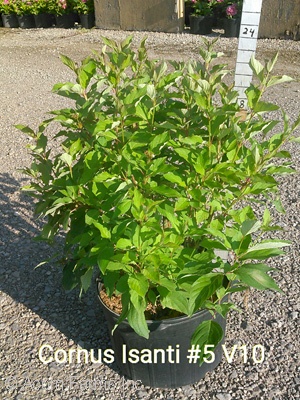
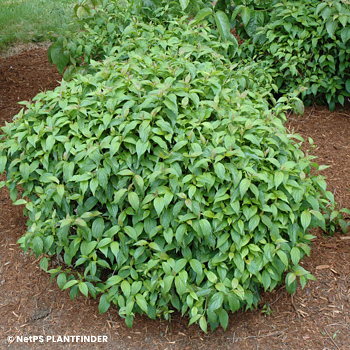
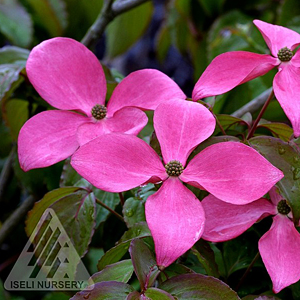
Cornus Kousa 'Satomi' is commonly referred to as Satomi Pink Japanese Dogwood. This attractive, broad, multi-stemmed deciduous tree features a showy habit of horizontally-tiered branches that show off its deep pink flowers in spring and bluish-green foliage in summer, turning an outstanding brick red in fall. Exfoliating gray bark adds an attractive winter interest.
Satomi Japanese Dogwood thrives in full sun to partial shade. It enjoys rich, acidic, evenly moist, well-draining soils. It will not tolerate standing water. It is ideal as an accent tree or shade tree.
| PLANT | SIZE | TYPE | GALENA | ADD'L | DIG | SOON |
Current inventory will be listed above this line. This plant will not be in the cart if there is no Galena stock listed. Contact Sales Rep for details. | Click for Availability column key & information.
To help this plant settle in and thrive, we recommend these standard planting practices: Plant in full sun to partial shade; this species is more sun-tolerant than other dogwoods. Ensure soil is well-draining, rich, and slightly acidic. When planting, keep the root flare visible at the soil surface; never bury the trunk. Water deeply and consistently during the first two growing seasons. Pruning is rarely necessary; only remove dead, diseased, or crossing branches in late winter or early spring.
AVAILABLE VARIETIES: