 Protected Series:
Zone: 3
Protected Series:
Zone: 3MADAME LEMOINE COMMON LILAC
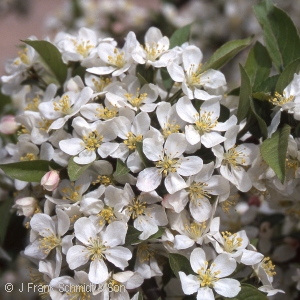
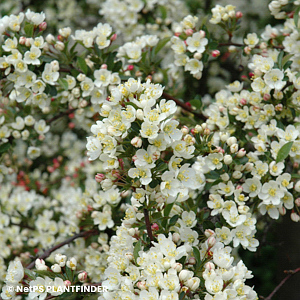
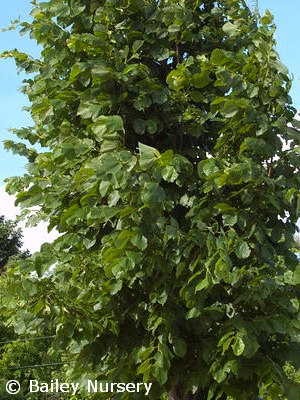
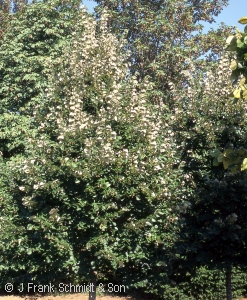
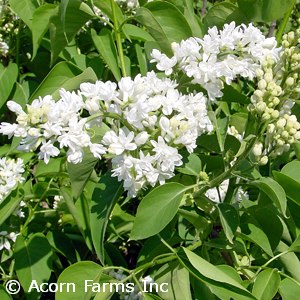
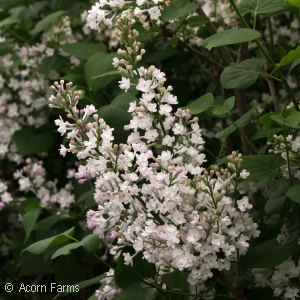
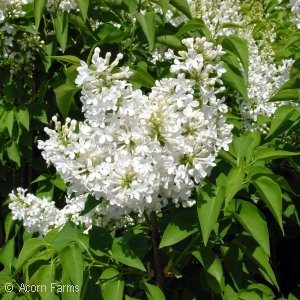
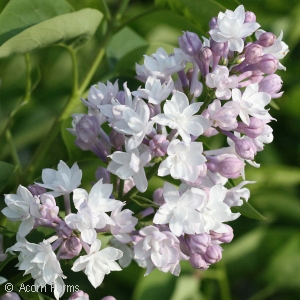
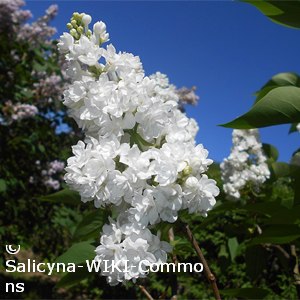
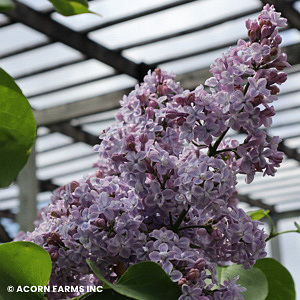
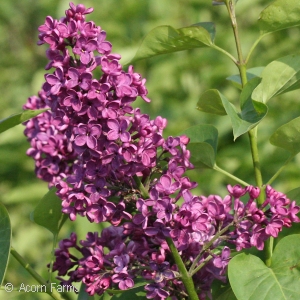
Syringa vulgaris 'Madame Lemoine' is commonly referred to as Madame Lemoine Lilac. Many claim this classic vulgaris lilac is one of the best white lilacs with its large, double white flowers in spring. It is an upright, deciduous shrub with showy panicles that are formed on the previous season's growth. Flowers attract all the beneficial pollinators such as butterflies, and hummingbirds and its heart-shaped green leaves remain attractive through the growing season.
Madame Lemoine Lilac thrives in full sun in rich, fertile, well-drained soils. It does not tolerate acidic soils. It is ideal as a specimen, hedge or in mixed shrub borders.
| PLANT | SIZE | TYPE | GALENA | ADD'L | DIG | SOON |
Current inventory will be listed above this line. This plant will not be in the cart if there is no Galena stock listed. Contact Sales Rep for details. | Click for Availability column key & information.
To help this plant settle in and thrive, we recommend these standard planting practices: plant in a site that receives full sun and features neutral to slightly alkaline, well-drained soil. This historic cultivar is prized for its dense, double-white panicles, which perform best when the plant has adequate room for proper air circulation. Water regularly during the first season and apply a balanced, slow-release fertilizer in early spring. To ensure you do not remove next year's buds, do not prune in late winter; wait until the bloom period concludes in late spring to perform any necessary thinning or rejuvenation pruning.
ALSO AVAILABLE:
★ ON SALE ★