 Protected Series:
Zone: 3
Protected Series:
Zone: 3
SUMMER STORM JAPANESE TREE LILAC
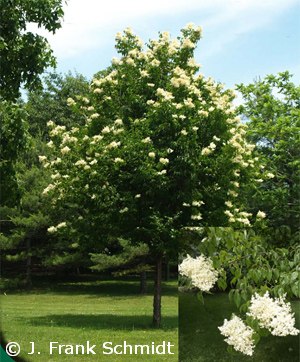
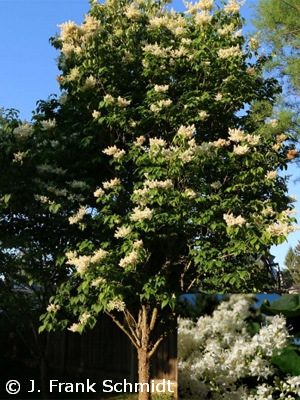
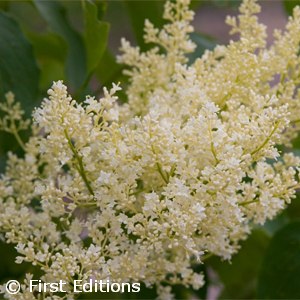
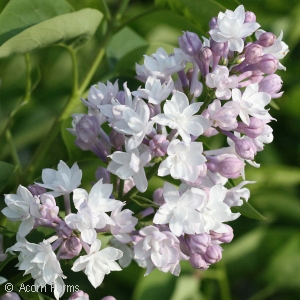
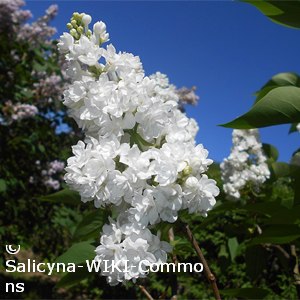
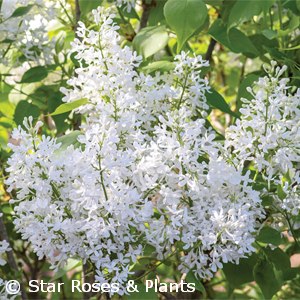
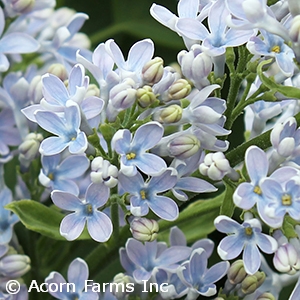
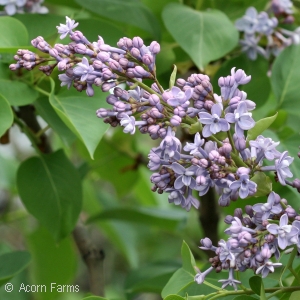
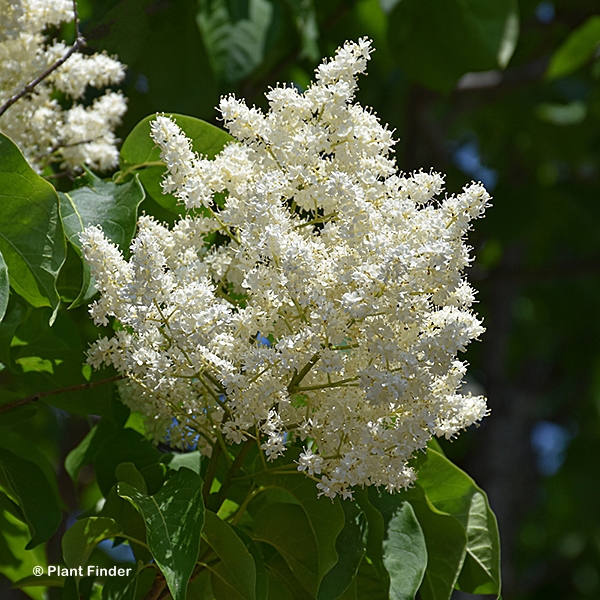
Syringa reticulata 'Summer Storm' is a breathtaking tree lilac known for its impressive scale and dramatic midsummer display. Unlike traditional shrub lilacs, 'Summer Storm' develops into a small-to-medium-sized tree with a graceful, upright-oval canopy. In late June and early July, it produces massive, airy panicles of creamy-white flowers that can reach up to 14 inches in length. These blooms carry a light, honey-like fragrance that avoids the heavy sweetness of spring lilacs. Beyond its flowers, 'Summer Storm' is prized for its ornamental, cherry-like bark that exfoliates slightly with age and its clean, dark green foliage that remains attractive throughout the growing season.
For the best performance, plant 'Summer Storm' Lilac in an ideal spot that offers full sun and excellent air circulation to maintain its vigorous growth. It is highly adaptable to various soil types, including clay, though it thrives best in moist, well-drained conditions with a neutral to slightly acidic pH. Once established, this tree is notably more heat and drought-tolerant than many other lilac species. Maintenance is minimal, generally limited to removing spent flower heads or thinning out competing branches in late winter to preserve its architectural shape.
| PLANT | SIZE | TYPE | GALENA | ADD'L | DIG | SOON |
Current inventory will be listed above this line. This plant will not be in the cart if there is no Galena stock listed. Contact Sales Rep for details. | Click for Availability column key & information.
To help this plant settle in and thrive, we recommend these standard planting practices: place in full sun with well-draining, slightly acidic to neutral soil. This dense, robust selection benefits from good airflow to keep its foliage clean throughout the season, so avoid overcrowding. Water deeply until established and feed with a balanced, slow-release fertilizer each spring. As with all Japanese Tree Lilacs, flower buds set on the previous year's growth, so avoid any pruning in late winter or early spring; carry out structural maintenance immediately after the creamy white flowers have finished to ensure you don't cut off next year's display.
AVAILABLE VARIETIES: