 Protected Series:
Zone: 3
Protected Series:
Zone: 3SUMMER FLARE® JAPANESE TREE LILAC
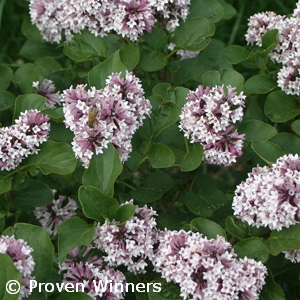
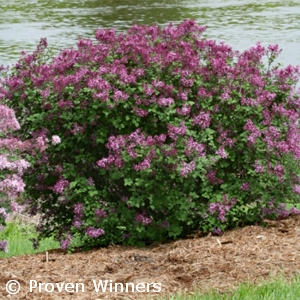
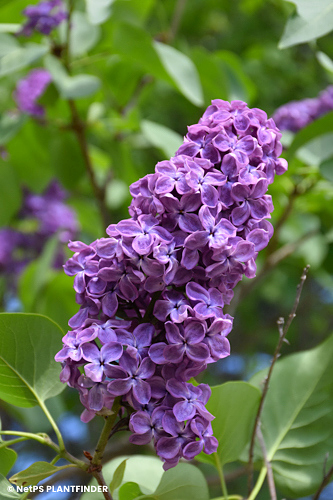
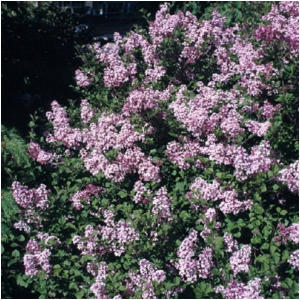
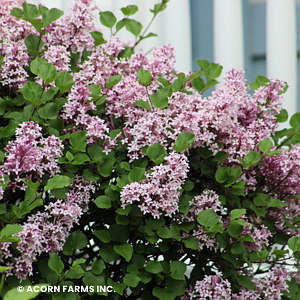
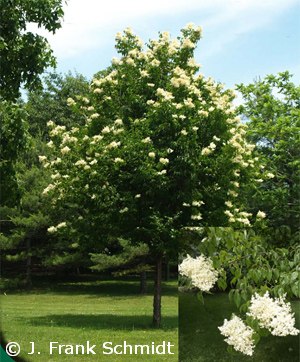
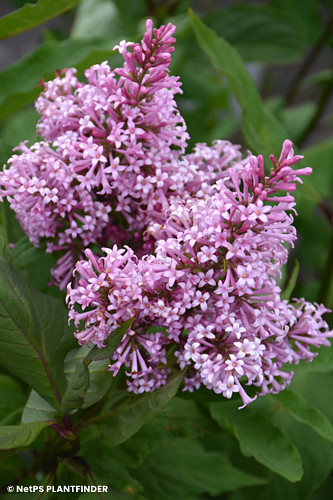
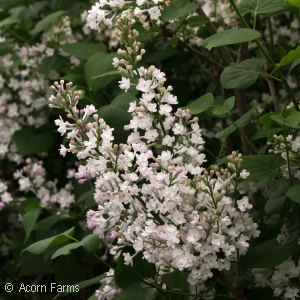
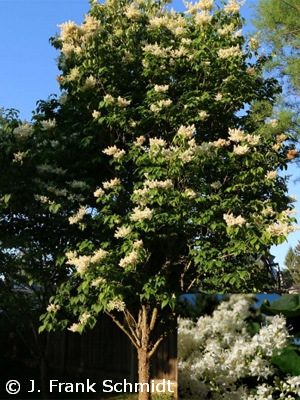
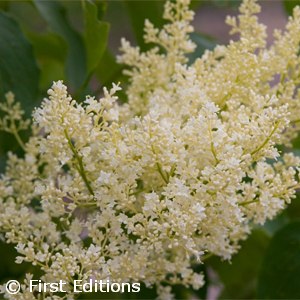
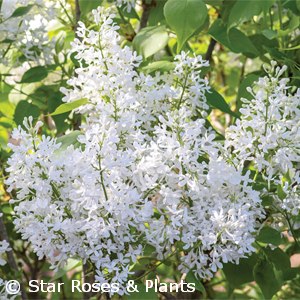
Syringa reticulata Summer Flare® (also known as the 'SumDak' cultivar) is a distinctive Japanese tree lilac prized for its exceptionally tidy, upright structure. Unlike the more rounded or sprawling habits of many other tree lilacs, Summer Flare® features stiffly ascending branches that create a narrow, oval form, making it look much more tailored in the landscape. In late June, it becomes a focal point as it erupts with large, airy panicles of creamy-white, fragrant flowers that typically bloom just after most other spring-flowering trees have finished. Its dark green summer foliage is of high quality and is paired with attractive, bronze-gray bark marked by prominent horizontal lenticels, offering a sleek look even when the flowers have faded.
For optimal health and the most prolific bloom, Summer Flare® should be planted in an ideal spot that receives full sun (at least 6 hours daily). It is quite hardy and adaptable, thriving in moist, well-drained soils, but it can also tolerate clay and slightly alkaline conditions once established. Because of its narrow spread, maturing at about 30 feet tall but only 12 feet wide, it is a perfect choice for urban lawns, boulevards, or narrow garden spaces where a traditional tree lilac might be too wide.
| PLANT | SIZE | TYPE | GALENA | ADD'L | DIG | SOON |
| SYRINGA RET SUMMER FLARE | con 10 | 0 | 0 | 0 | 20 |
Current inventory will be listed above this line. This plant will not be in the cart if there is no Galena stock listed. Contact Sales Rep for details. | Click for Availability column key & information.
To help this plant settle in and thrive, we recommend these standard planting practices: select a full sun site with fertile, well-draining soil, allowing sufficient room for this upright, tree-form variety to reach its mature habit. It is a reliable grower, but like other reticulata types, it performs best when mulched to retain consistent soil moisture. Apply a balanced, slow-release fertilizer in early spring to encourage vigorous growth. To maintain its elegant shape without sacrificing next year's blooms, avoid pruning in the dormant winter season; instead, complete any necessary light pruning immediately after the summer flowering period concludes.
ALSO AVAILABLE: