SYRINGA PRE DONALD WYMAN ACORN FARMS
DONALD WYMAN LILAC

SYRINGA PRE DONALD WYMAN

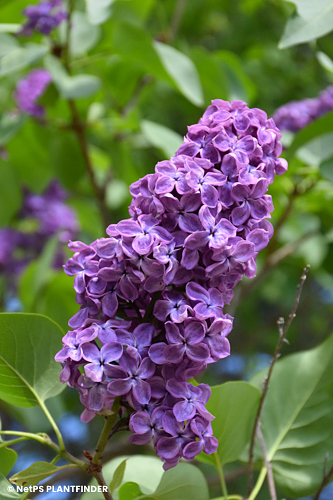
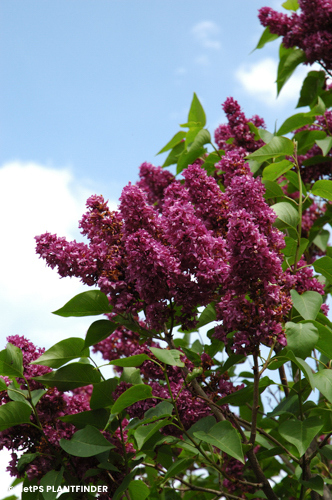
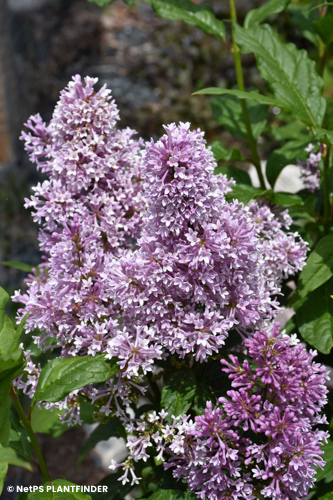
Syringa x prestoniae 'Donald Wyman'
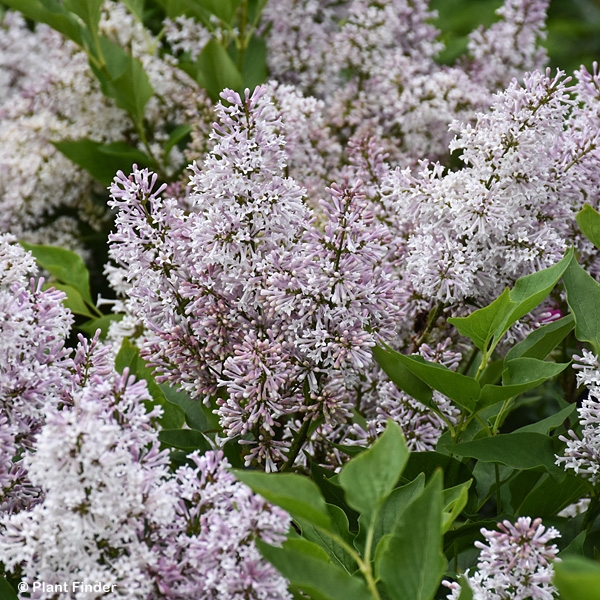
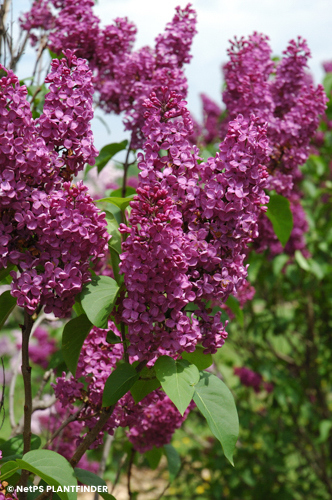
photo courtesy of PlantFinder

DONALD WYMAN LILAC

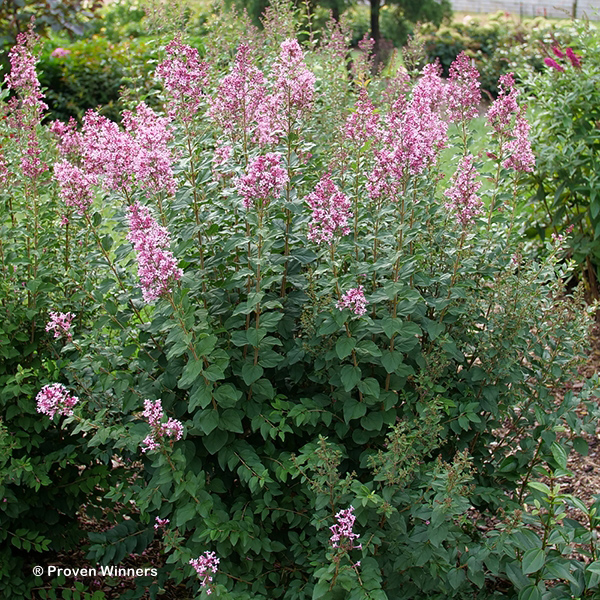
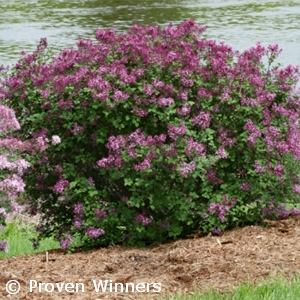
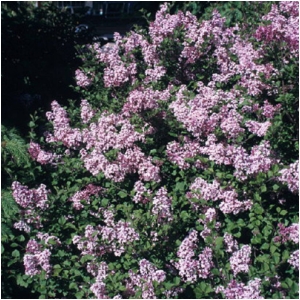
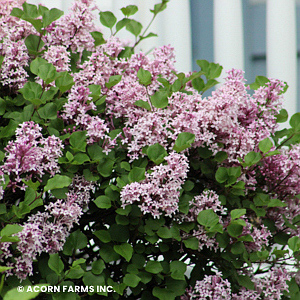
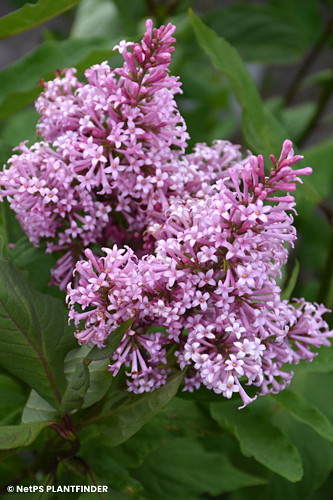
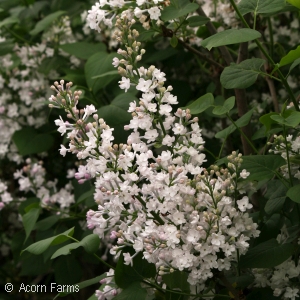
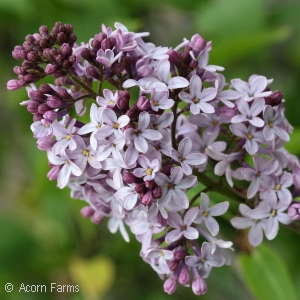
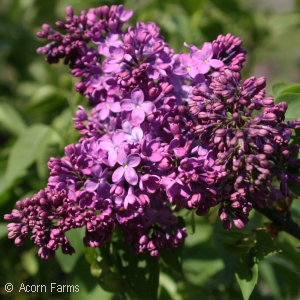
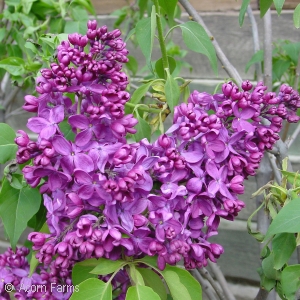
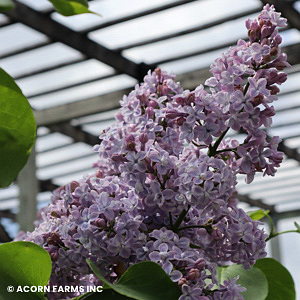
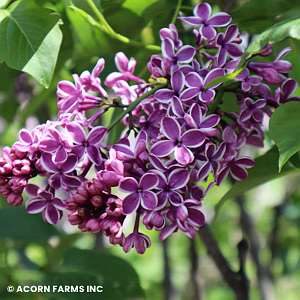
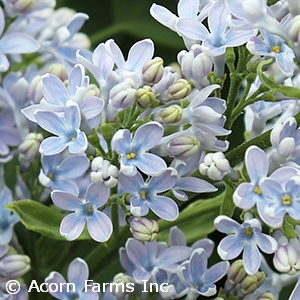
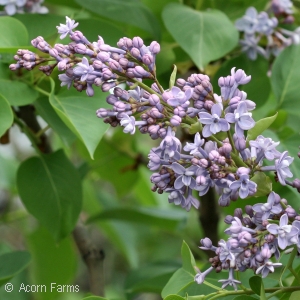
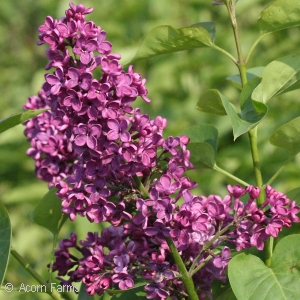
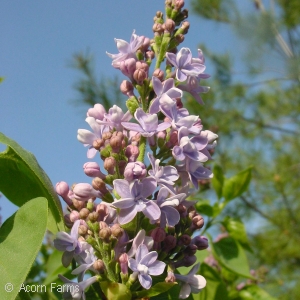
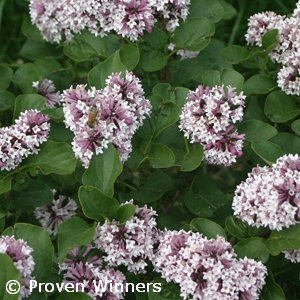
Syringa x prestoniae 'Donald Wyman' is commonly referred to as Donald Wyman Lilac. It is considered by many to be the finest lilac. It features an abundance of large reddish-pink flowers on large, dense panicles that bloom late spring - later than many other Lilacs. Flowers attract bees, butterflies and other beneficial pollinators. It is typical of most Preston Lilacs with lush, dark green leaves that have excellent disease resistance. Leaves turn a butter yellow in fall.

Donald Wyman Preston Lilac is an interspecific hybrid and thrives in full sun in rich, fertile, evenly moist, well-drained soils. It is a low maintenance lilac and is quite adaptable in both dry and moist locations. It can tolerate urban pollution and can thrive in city environments.
Scroll table horizontally to view all stock & quantities →
PLANT SIZE TYPE GALENA ADD'L DIG SOON
SYRINGA PRE DONALD WYMANcon 555000

Current inventory will be listed above this line. Contact Sales Rep for details. |

KEY:
con = containers - available now
Galena = Above ground and available now
Additional = Remote location, call rep. Not in Shop.
Dig = Still in ground, call rep. Not in Shop (in orange).
Soon = Coming soon, call rep. Not in Shop.

(BBnPOT - formerly known as GRSTART - are B&B put into a container - they are available now)


Planting Tips ⓘ

To help this plant settle in and thrive, we recommend these standard planting practices: plant in a full sun environment with rich, well-draining soil, as this late-blooming Preston hybrid thrives with plenty of light and good airflow. This variety is exceptionally hardy and non-suckering, making it a low-maintenance choice for hedges or screens. Water regularly during the establishment phase and provide a balanced fertilizer in the early spring before the foliage fully emerges. To ensure you don't lose the dark purple-to-lavender flower display, avoid pruning in late winter or early spring; any shaping or rejuvenation pruning should be done immediately after the flowers have faded in late spring or early summer.


More in this Genus:


β˜… ON SALE β˜