MAXIMA BLACKEYED SUSAN
RUDBECKIA MAXIMA
Rudbeckia 'Maxima'
photo courtesy of Plant Finder
MAXIMA BLACKEYED SUSAN
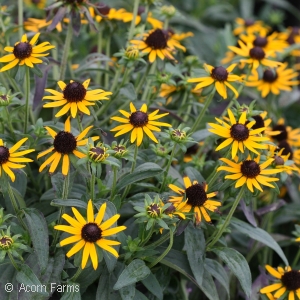
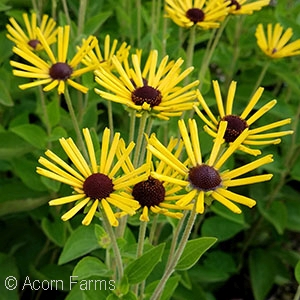
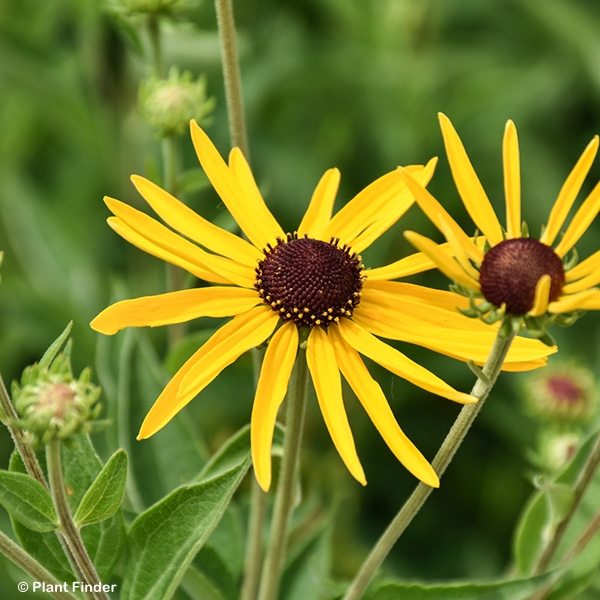
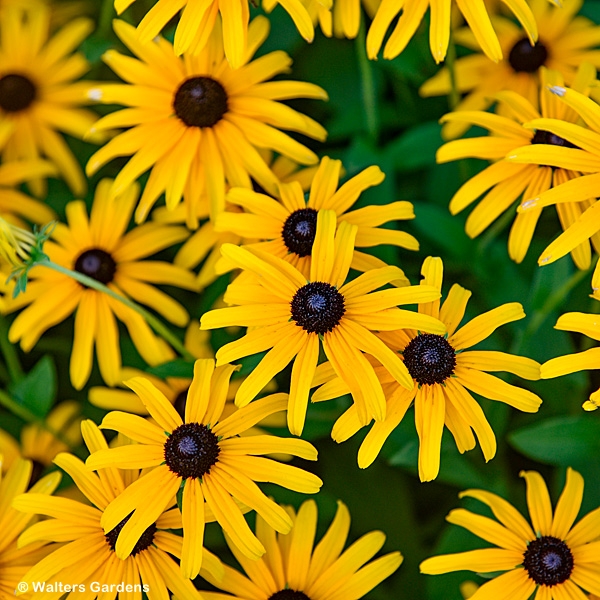
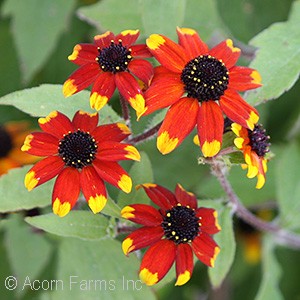
Rudbeckia maxima, commonly known as the Great Coneflower or Cabbage Leaf Coneflower, is a dramatic selection with native roots that commands attention in any landscape. It is most famous for its stunning basal foliage - large, glaucous, silvery-blue leaves that resemble cabbage, providing a unique metallic texture long before the flowers appear. In mid-to-late summer, 'Maxima' sends up towering, sturdy stalks that can reach heights of 6 to 7 feet, topped with bright yellow flowers. These blooms feature distinctively drooping petals that surround an exceptionally tall, dark brown central cone, which can reach up to 2 or 3 inches in height, adding a bold vertical element to the garden.
To thrive, Rudbeckia maxima should be placed in full sun, as it requires substantial light to support its tall flowering stems and maintain the vibrant blue-gray hue of its foliage. It is highly adaptable to various soil types, including heavy clay, and actually prefers moist, well-drained conditions, making it an excellent choice for rain gardens or low-lying areas of a meadow. However, once its deep taproot is established, it is remarkably drought-tolerant and heat-resistant. It is a "workhorse" for pollinators, attracting a wide variety of butterflies and bees. To maximize its wildlife value, avoid cutting the stalks back in the fall; the prominent dried cones are a favorite food source for goldfinches and provide a striking silhouette against the winter sky.
Scroll table horizontally to view all stock & quantities →
| PLANT |
SIZE |
TYPE |
GALENA |
ADD'L |
DIG |
SOON |
| No current sizes listed in database. |
Current inventory will be listed above this line. Contact Sales Rep for details. |
Click for key & info
KEY:
con = containers - available now
Galena = Above ground and available now
Additional = Remote location, call rep. Not in Shop.
Dig = Still in ground, call rep. Not in Shop (in orange).
Soon = Coming soon, call rep. Not in Shop.
(BBnPOT - formerly known as GRSTART - are B&B put into a container - they are available now)