QUERCUS MACROCARPA ACORN FARMS

BUR OAK
QUERCUS MACROCARPA

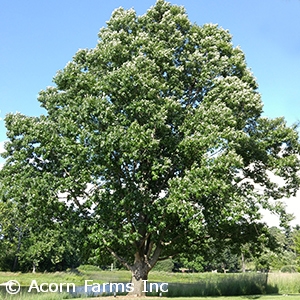
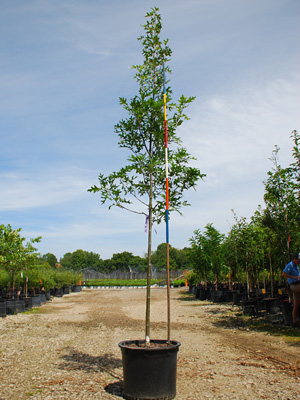
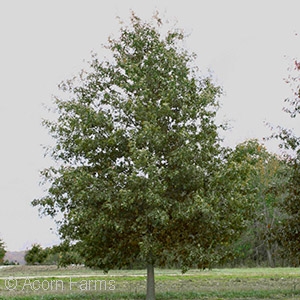
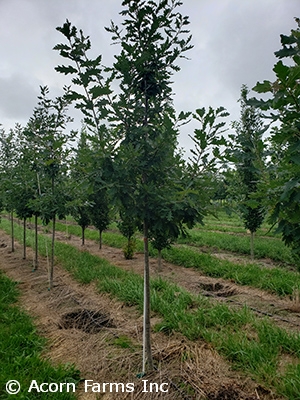
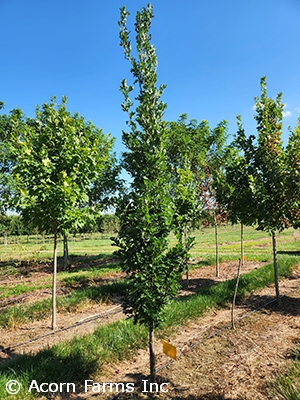
Quercus macrocarpa

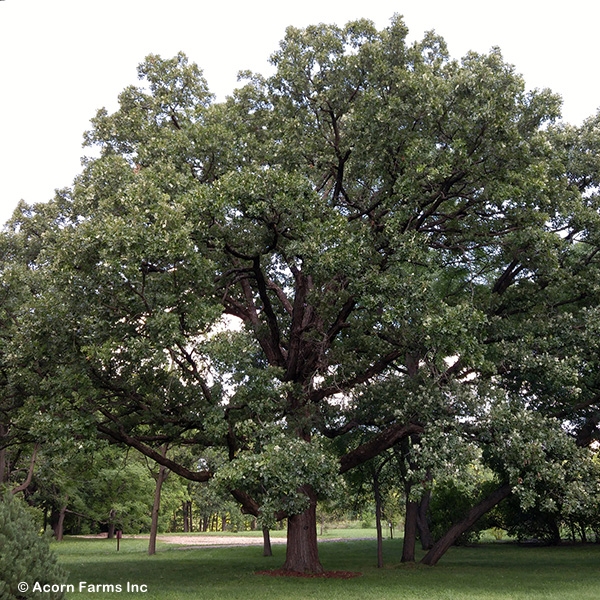
photo copyright Acorn Farms Inc
QUERCUS MACROCARPA
Genus: QUERCUS
trademark info Protected Series:
Height: 55 Feet Tall
Spread: 40-50 Feet Wide
Color: yellow fall color
Full Sun Plants
Full Sun Deciduous Tree Plants
Deciduous Tree
Zone: 3
#0516  
            native *  


BUR OAK


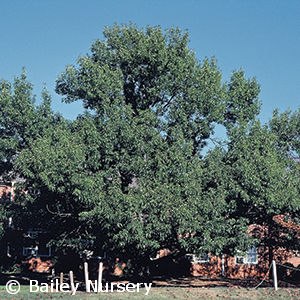
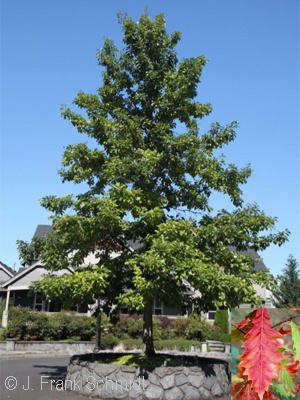
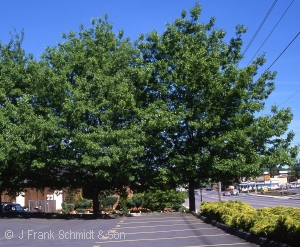
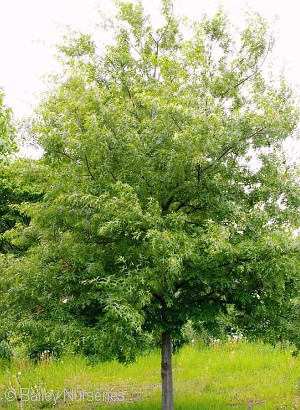
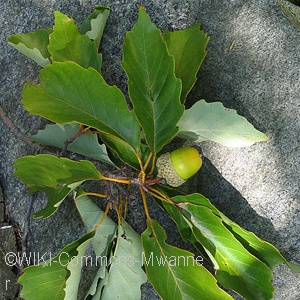
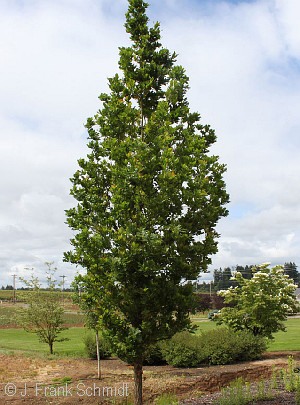
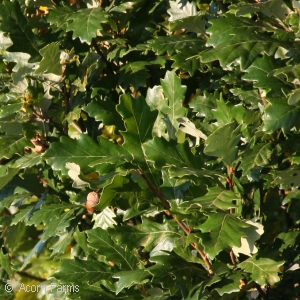
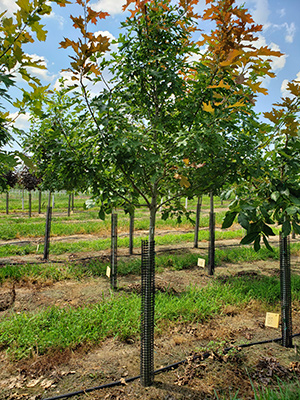
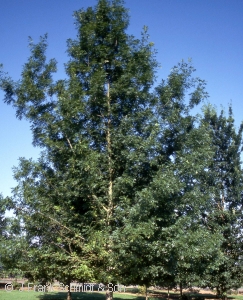
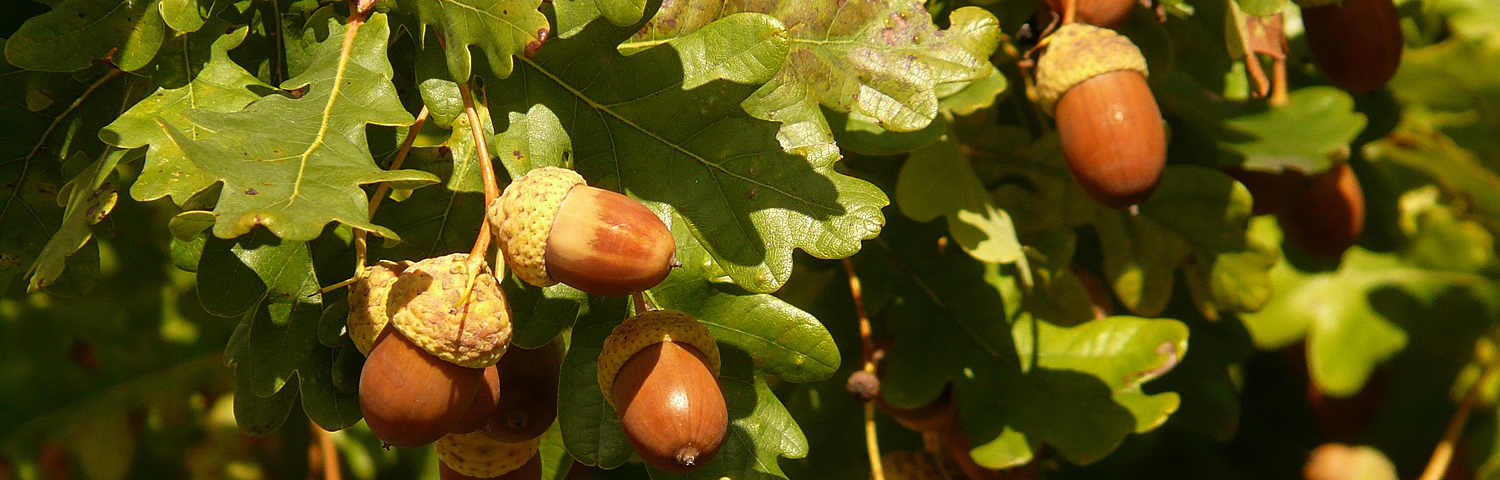
Quercus macrocarpa is commonly called Bur Oak or Mossycup Oak. It may be the most majestic of all oaks. This slow-growing, large sized, native deciduous tree has a broad-spreading, rounding crown. Its massive size has reached over 100 feet and can easily live 200-300 years! Its Acorn cups are covered with a mossy scale or bur near the rim, hence the common name.

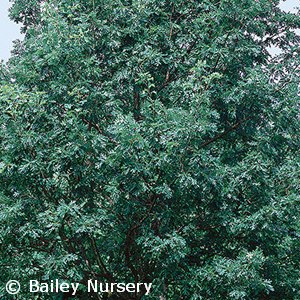
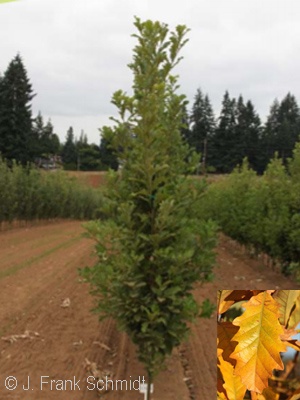
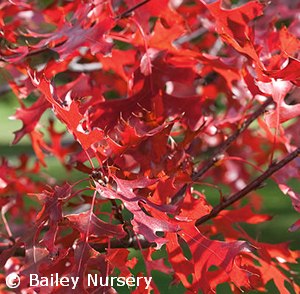
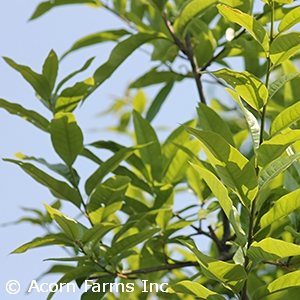
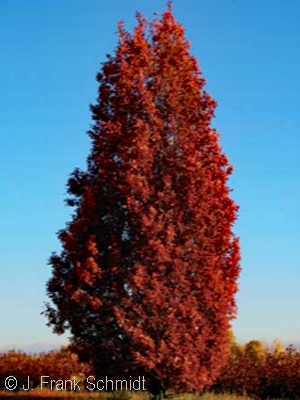
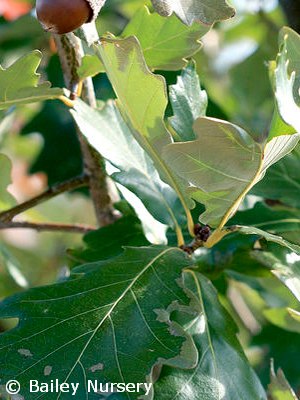
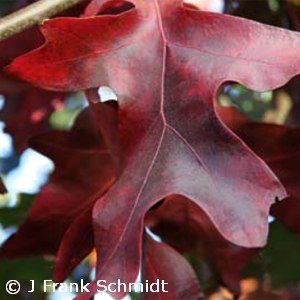
Leathery, dark green leaves turn yellowish-brown in fall. It is native to Ohio and many habitats in central and eastern North America. It is exceedingly adaptable to a variety of soils, and more tolerant of diverse city conditions than other oaks.


PLANT SIZE TYPE GALENA ADD'L DIG SOON
QUERCUS MACROCARPA 2 in16000
QUERCUS MACROCARPA 2.5 in4000
QUERCUS MACROCARPA 3 in1000

Current inventory will be listed above this line. This plant will not be in the cart if there is no Galena stock listed. Contact Sales Rep for details. |

KEY:
con = containers - available now
Galena = Above ground and available now
Additional = Remote location, call rep. Not in Shop.
Dig = Still in ground, call rep. Not in Shop (in orange).
Soon = Coming soon, call rep. Not in Shop.

(BBnPOT - formerly known as GRSTART - are B&B put into a container - they are available now)


Quercus (Oak) Varieties:
Bur  |  Chestnut  |  Chinkapin  |  Hybrid  |  Northern Black  |  Northern Pin  |  Overcup |  Pedunculate (Robur)  |  Pin  |  Pinnacle  |  Red  |  Sawtooth  |  Scarlet  |  Shingle  |  Shumard  |  Swamp Chestnut Oak  |  Swamp White  |  White  |  Willow


Planting Tips

To help this plant settle in and thrive, we recommend these standard planting practices: Plant in full sun to partial shade with well-draining soil. Water regularly, but avoid overwatering. Mulch around the base to retain moisture and suppress weeds. Fertilize annually with a balanced fertilizer. Prune in late winter or early spring to maintain shape and promote healthy growth.


AVAILABLE VARIETIES: