PRUNUS SANTA ROSA ACORN FARMS

SANTA ROSA JAPANESE PLUM TREE
PRUNUS SANTA ROSA

Prunus salicina 'Santa Rosa'

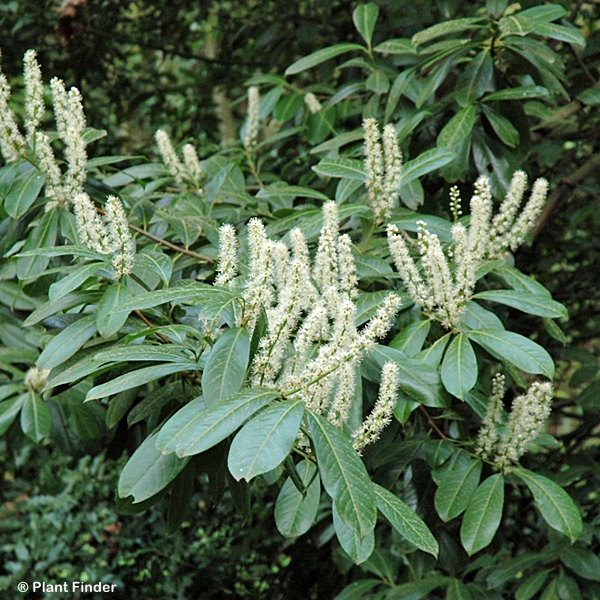
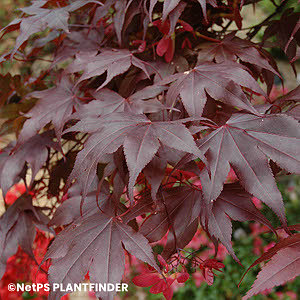
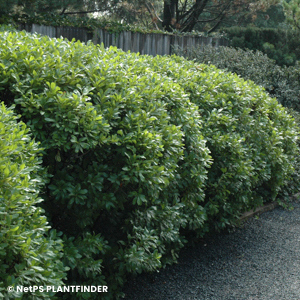
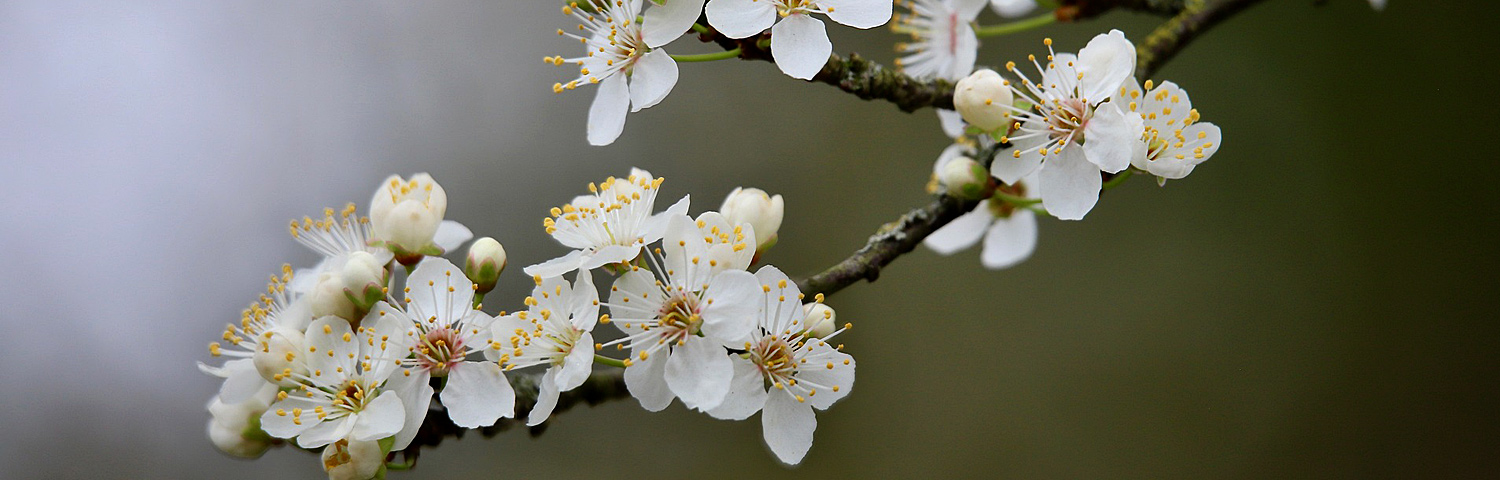
photo courtesy of Plant Finder
PRUNUS SANTA ROSA
Genus: PRUNUS
trademark info Protected Series:
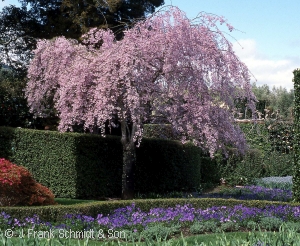
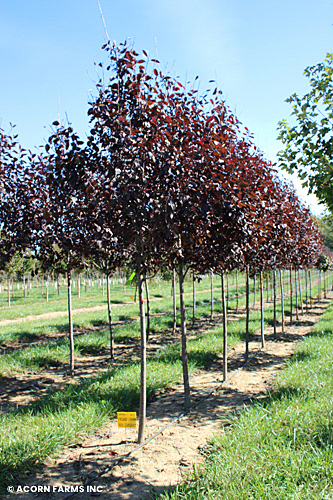
Height: 20 Feet Tall
Spread: 20 Feet Wide
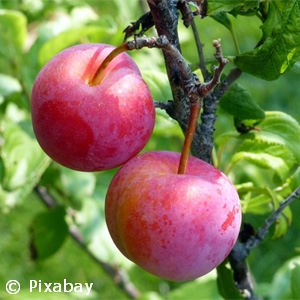
Color: red plum fruit
Full Sun Plants
Full Sun Deciduous Tree Plants
Deciduous Tree
Zone: 5
#0425  


SANTA ROSA JAPANESE PLUM TREE


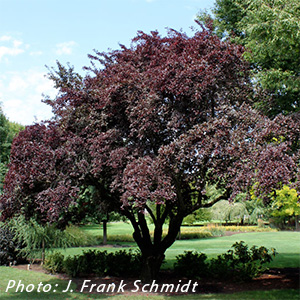
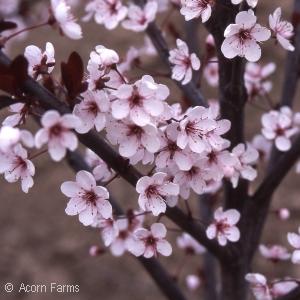
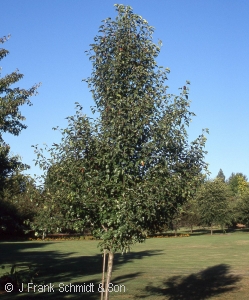
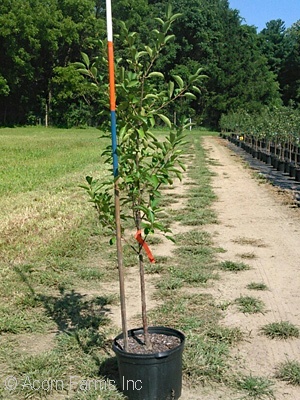
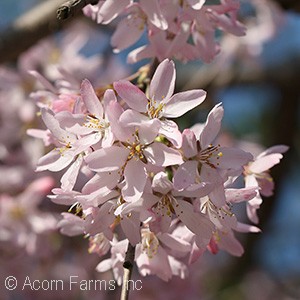
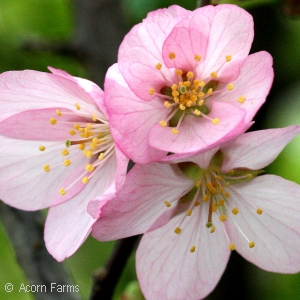
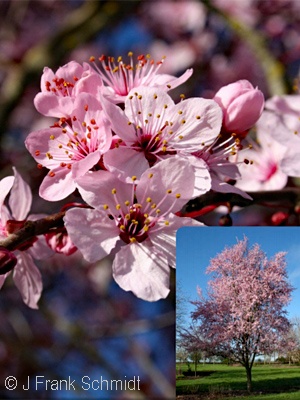
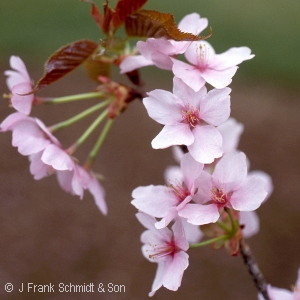
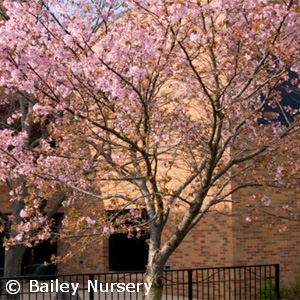
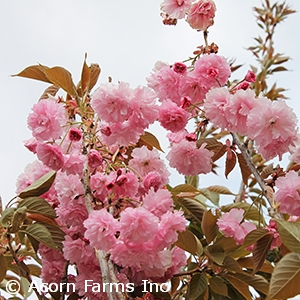
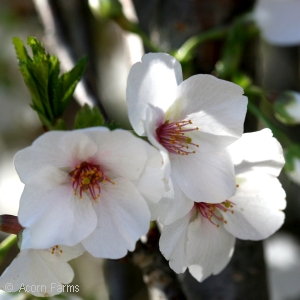
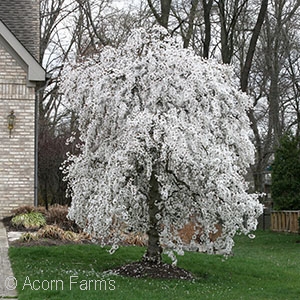
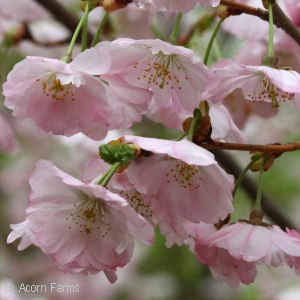
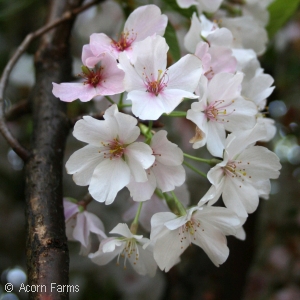
Prunus salicina 'Santa Rosa' is a delightfully small, fast-growing tree, commonly known as the Santa Rosa Japanese Plum. Its rounded canopy is adorned with finely serrated, bright green leaves, creating a lush backdrop for its fragrant, white flowers that bloom in early spring.

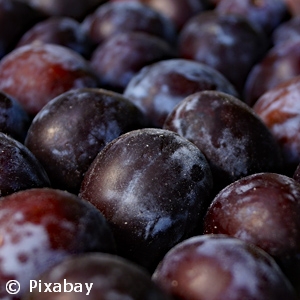
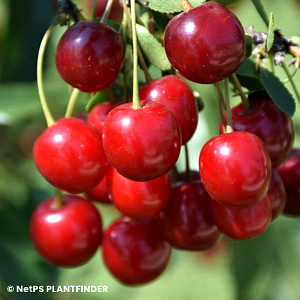
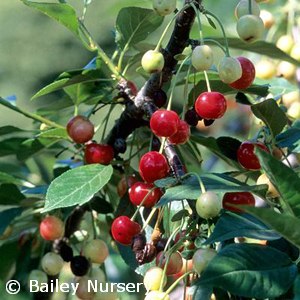
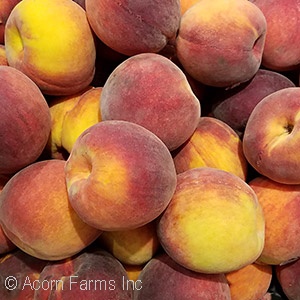
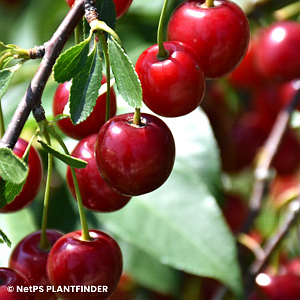
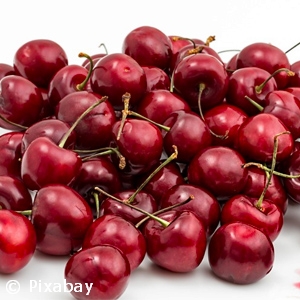
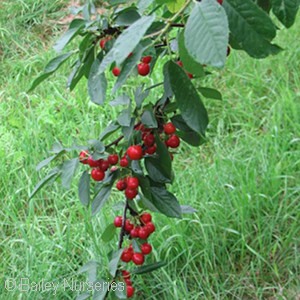
In mid to late summer, Santa Rosa Plum produces a bountiful harvest of medium to large, purplish-red plums. The juice, sweet, and aromatic flesh makes them perfect for eating fresh, canned, or crafting delicious jellies and jams. While the Santa Rosa Plum is self-fertile, planting other plum varieties nearby can further enhance fruit production.

To thrive, Santa Rosa requires full sun and well-drained, loamy soil with a mildly acidic pH. It typically begins fruiting within 3-5 years and has a chill requirement of 300 hours before 45F degrees.


PLANT SIZE TYPE GALENA ADD'L DIG SOON

Current inventory will be listed above this line. This plant will not be in the cart if there is no Galena stock listed. Contact Sales Rep for details. |

KEY:
con = containers - available now
Galena = Above ground and available now
Additional = Remote location, call rep. Not in Shop.
Dig = Still in ground, call rep. Not in Shop (in orange).
Soon = Coming soon, call rep. Not in Shop.

(BBnPOT - formerly known as GRSTART - are B&B put into a container - they are available now)


Planting Tips

To help this tree settle in and thrive, we recommend these standard planting practices: Plant in deep, fertile, well-draining soil, selecting a location in full sun to ensure the best fruit production and foliage color. Plums are particularly sensitive to moisture levels and require a site with excellent air circulation to reduce the risk of fungal pathogens; avoid low-lying areas where frost or water can collect. Provide deep, consistent water during the first few growing seasons until the tree is well established, and monitor soil moisture thereafter to ensure it remains consistently moist but never waterlogged.

Prune in late winter or early spring while the tree is dormant to improve structure, remove dead or crossing branches, and encourage productive growth, typically using an open-center system to maximize light penetration throughout the canopy.


AVAILABLE VARIETIES: