PINUS SYLVESTRIS ACORN FARMS

SCOTCH PINE
PINUS SYLVESTRIS

Pinus sylvestris

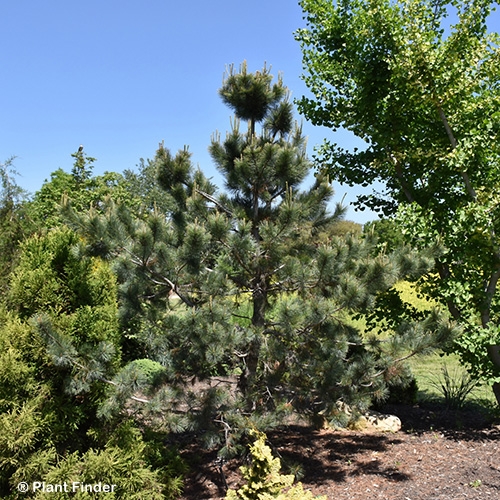
photo courtesy of PlantFinder
PINUS SYLVESTRIS
Genus: PINUS
trademark info Protected Series:
Height: 15 Feet Tall
Spread: 10 Feet Wide
Color: green foliage
Full Sun Plants
Full Sun Evergreen Tree Plants
Evergreen Tree
Zone: 4
#3025  
drought tolerant *              


SCOTCH PINE


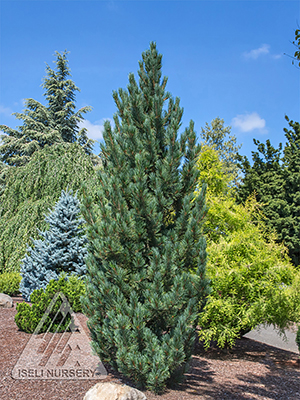
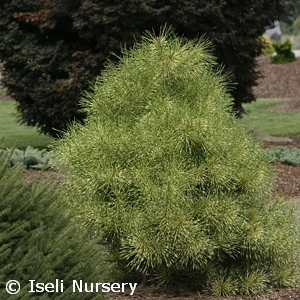
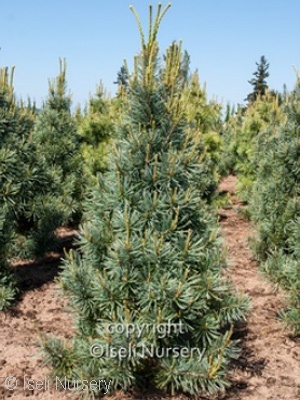
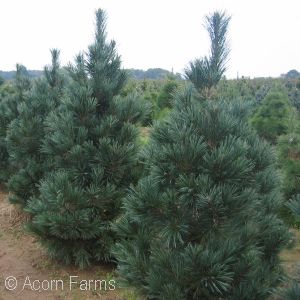
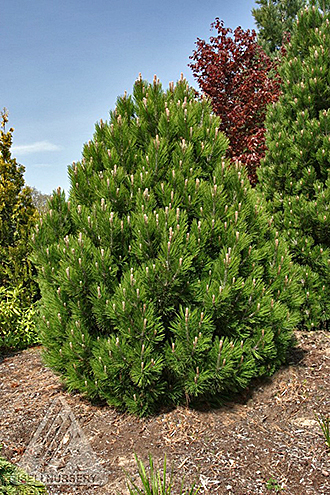
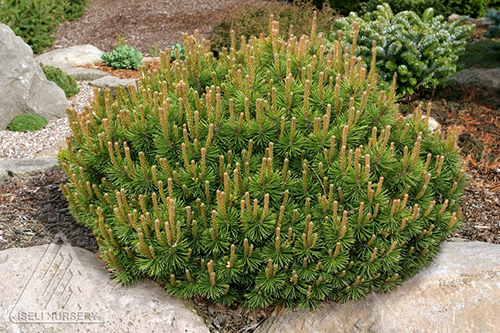
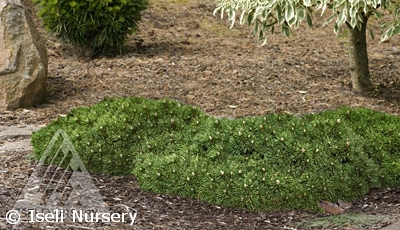
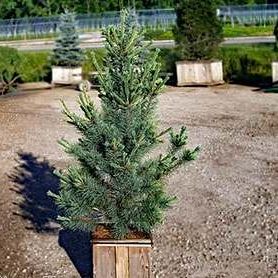
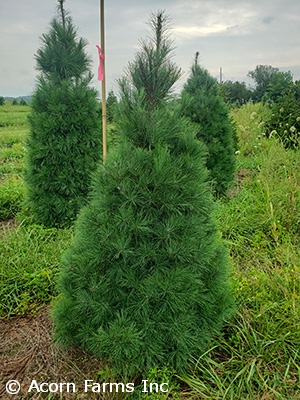
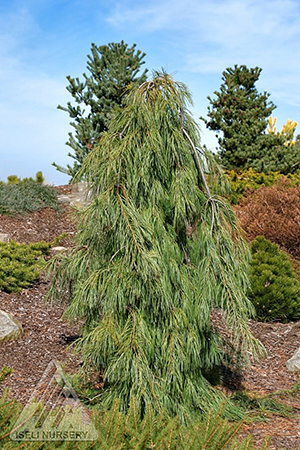
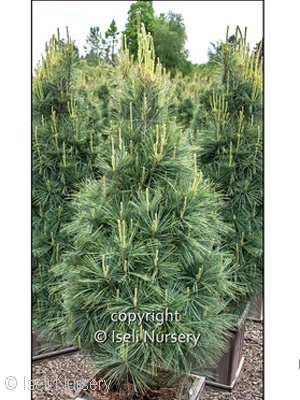
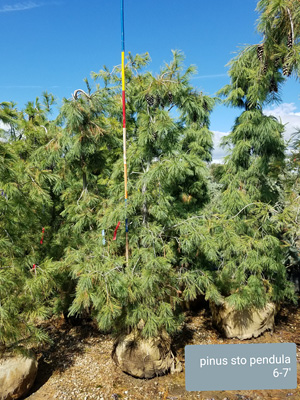
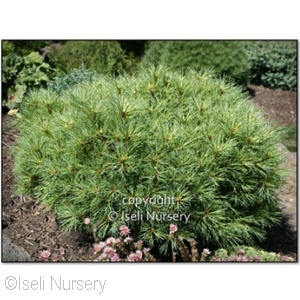
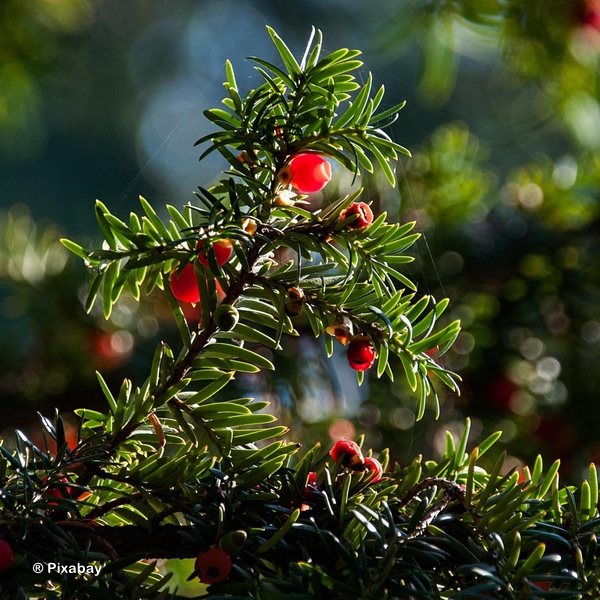
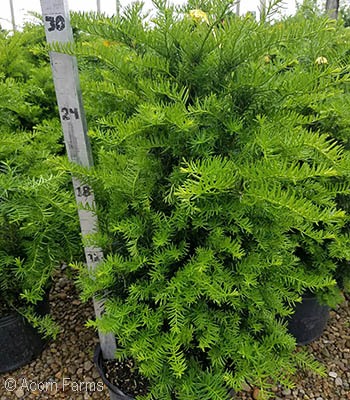
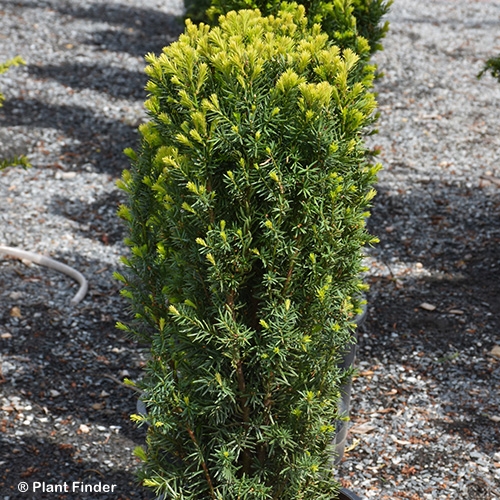
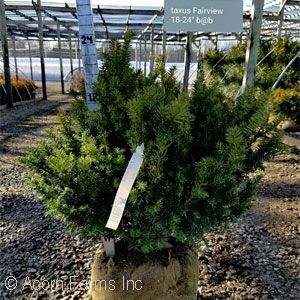
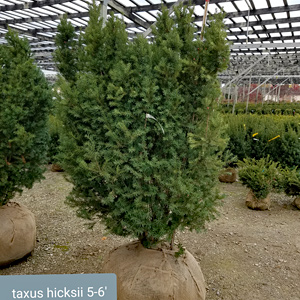
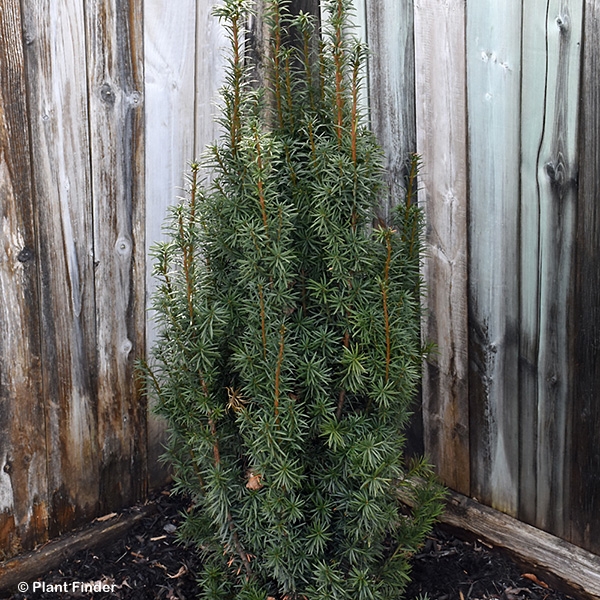
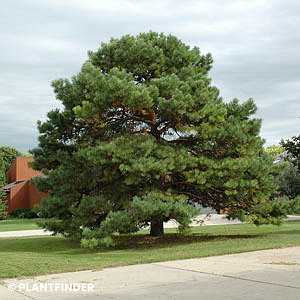
The Scotch Pine (Pinus sylvestris), a majestic evergreen conifer native to Eurasia, can live for over 700 years! Also known as Scots pine, it thrives in full sun with average, well-drained soil that stays evenly moist but avoids waterlogging.

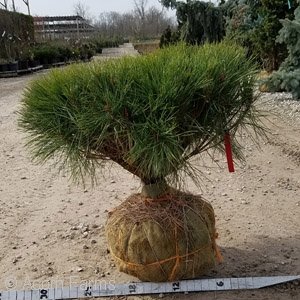
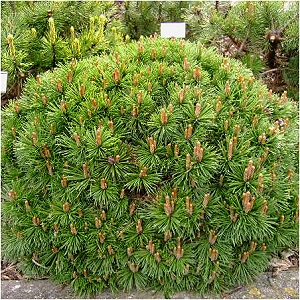
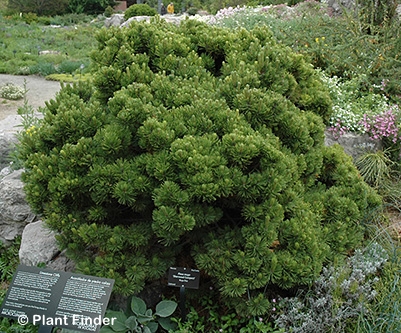
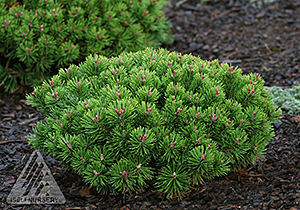
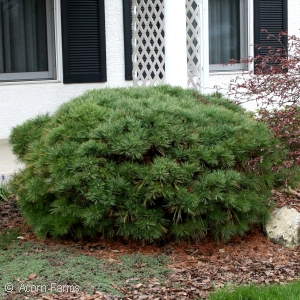
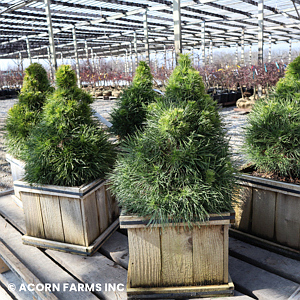
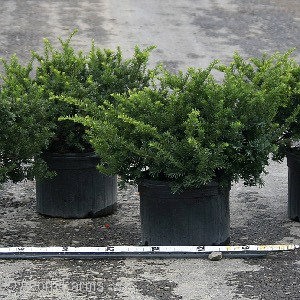
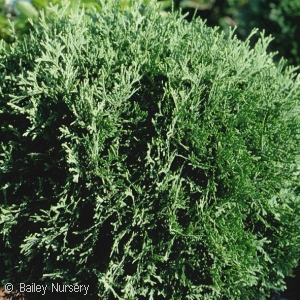
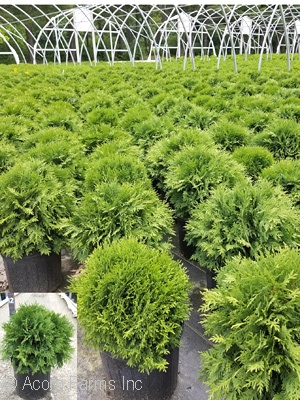
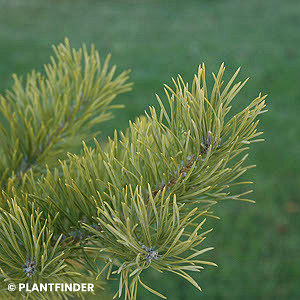
This adaptable conifer boasts short, blue-green needles and a striking orange-red bark, making it a standout in any landscape. Even more remarkable is its tolerance for pruning, making it a popular choice for topiary selections such as pom-pom shaped selections.


PLANT SIZE TYPE GALENA ADD'L DIG SOON
PINUS SYLVESTRIS 3-4 ftPOMPOM1000

Current inventory will be listed above this line. This plant will not be in the cart if there is no Galena stock listed. Contact Sales Rep for details. |

KEY:
con = containers - available now
Galena = Above ground and available now
Additional = Remote location, call rep. Not in Shop.
Dig = Still in ground, call rep. Not in Shop (in orange).
Soon = Coming soon, call rep. Not in Shop.

(BBnPOT - formerly known as GRSTART - are B&B put into a container - they are available now)


Other Scotch Pines

Pinus (Pine) Types:
Austrian Pine  |  Black Pine  |  Bosnian Pine  |  Bristlecone Pine  |  Great Basin Bristlecone Pine  |  Himalayan Pine  |  Jack Pine  |  Japanese Red Pine  |  Japanese Stone Pine  |  Japanese White Pine  |  Lacebark Pine  |  Limber Pine  |  Macedonian Pine  |  Mugo Pine  |  Scotch Pine  |  Scrub Pine  |  Shore Pine  |  Swiss Pine  |  Sunburst Pine  |  White Pine  | 

Other Evergreen Trees


Planting Tips

To help this plant settle in and thrive, we recommend these standard planting practices: Plant in well-draining soil with a slightly acidic pH. Water regularly, but avoid overwatering. Fertilize in the spring with a balanced, slow-release fertilizer. Prune in late winter or early spring to maintain shape and promote healthy growth.


AVAILABLE VARIETIES: