SNOWFLAKE CREEPING PHLOX
PHLOX SUB SNOWFLAKE
Phlox subulata 'Snowflake'
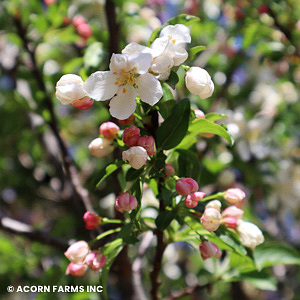
photo copyright Acorn Farms Inc
SNOWFLAKE CREEPING PHLOX
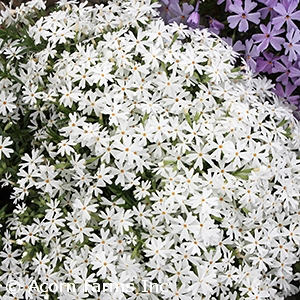
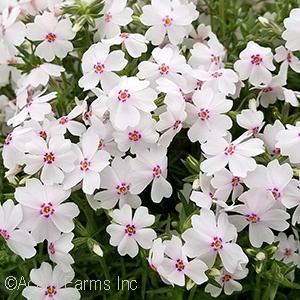
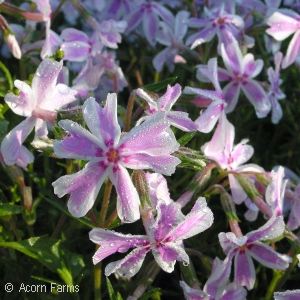
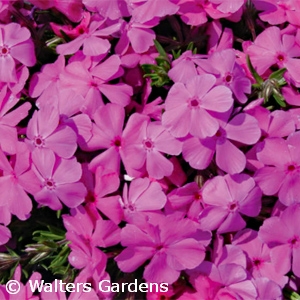
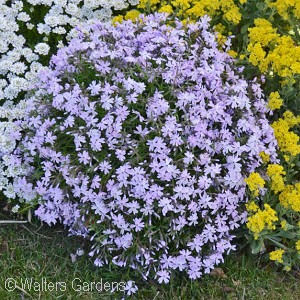
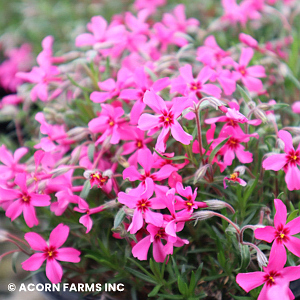
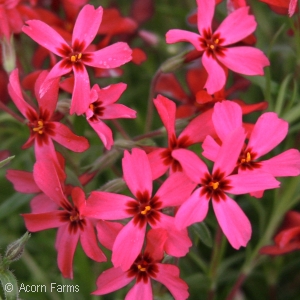
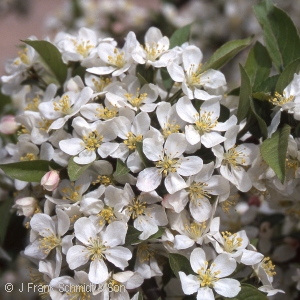
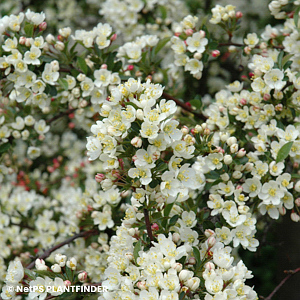
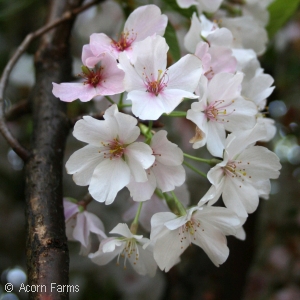
Phlox subulata 'Snowflake' is widely regarded as one of the finest white-flowering cultivars of creeping phlox, prized for its exceptionally clean and brilliant floral display. In mid-to-late spring, this vigorous groundcover phlox produces a dense, star-shaped blanket of pure, snowy-white flowers that can completely obscure the foliage beneath. Each flower features a tiny, subtle yellow-to-green eye at the center, giving it a luminous quality even in the early evening light. Because it forms a tight, carpet-like mat of fine, needle-like leaves, it is an outstanding choice for naturalizing along stone walkways or providing a crisp, high-contrast edge to darker-foliaged perennials.
The ideal spot for Phlox 'Snowflake' is a location with full sun and sharply drained soil; it is particularly well-suited for rock gardens, slopes, or sandy areas where it can spread freely without "wet feet." It is remarkably low-maintenance and drought-tolerant once established. To ensure the plant remains dense and prevents the center from becoming woody, it is best to shear the foliage back by about half immediately after the spring flowers have faded. This practice encourages a fresh flush of deep green foliage that remains attractive through the summer and fall.
con 1:
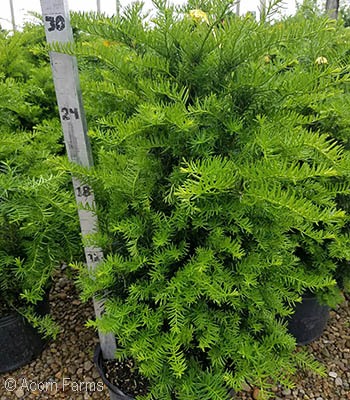
Nice Foliage. Full Pot.
Scroll table horizontally to view all stock & quantities →
| PLANT |
SIZE |
TYPE |
GALENA |
ADD'L |
DIG |
SOON |
| PHLOX SUB SNOWFLAKE | con 1 | | 328 | 0 | 0 | 0 |
Current inventory will be listed above this line. Contact Sales Rep for details. |
Click for key & info
KEY:
con = containers - available now
Galena = Above ground and available now
Additional = Remote location, call rep. Not in Shop.
Dig = Still in ground, call rep. Not in Shop (in orange).
Soon = Coming soon, call rep. Not in Shop.
(BBnPOT - formerly known as GRSTART - are B&B put into a container - they are available now)