PANICUM RED FLAME ACORN FARMS

RED FLAME SWITCH GRASS
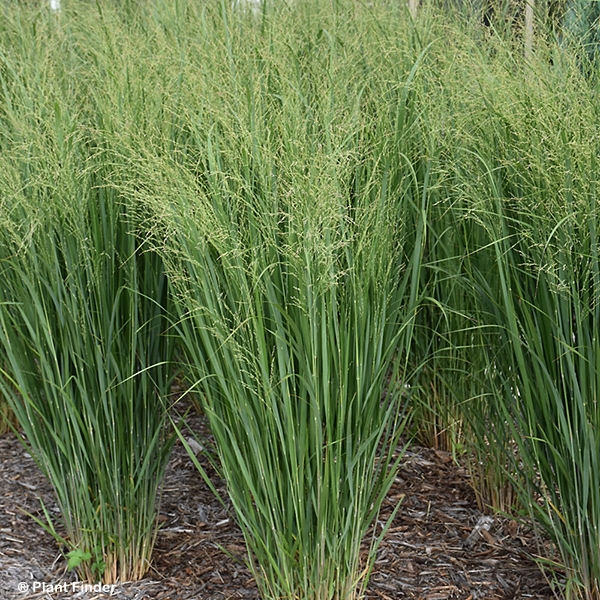
PANICUM RED FLAME

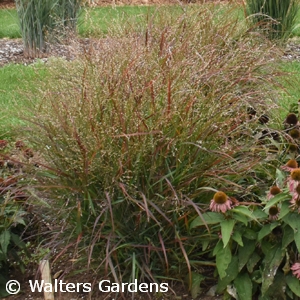
Panicum virgatum 'Red Flame' PP35213

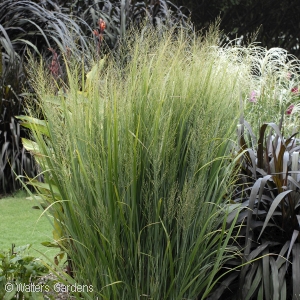
photo courtesy of Walters Gardens
PANICUM RED FLAME
Genus: PANICUM
trademark info Protected Series:
Height: 3-4 Feet Tall
Spread: 2-3 Inches Wide
Color: red foliage
Full Sun Plants
Full Sun Grass Plants
Grass
Zone: 4
#5796  
drought tolerant *  deer resistant *  birds *  salt tolerant *       native roots *  


RED FLAME SWITCH GRASS


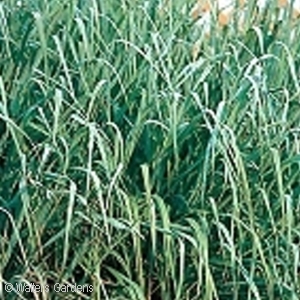
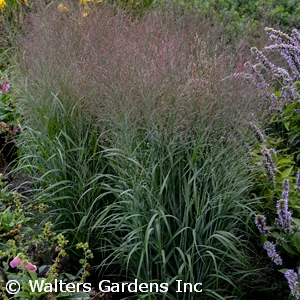
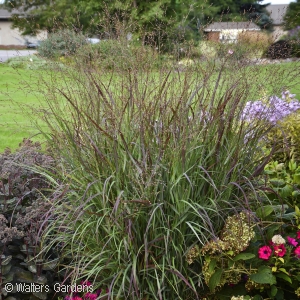
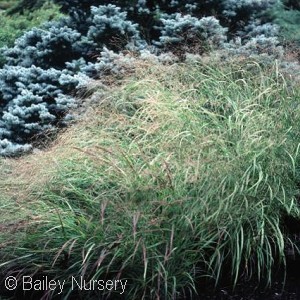
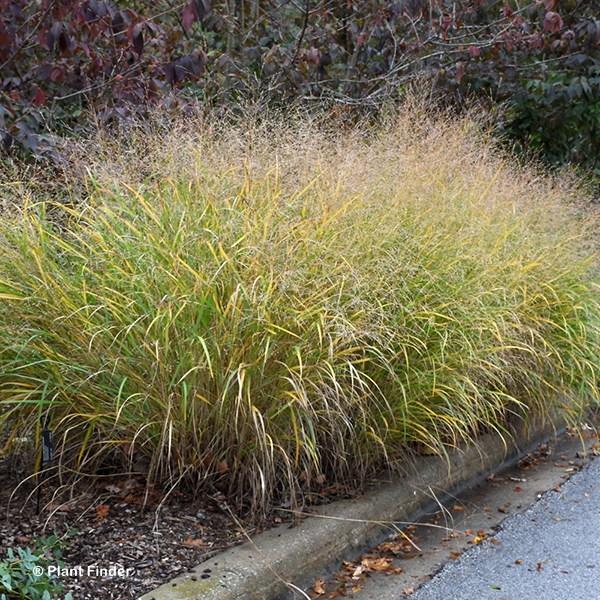
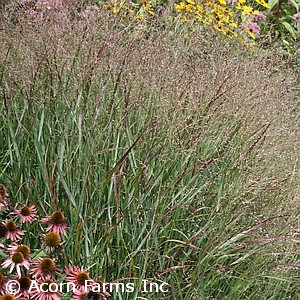
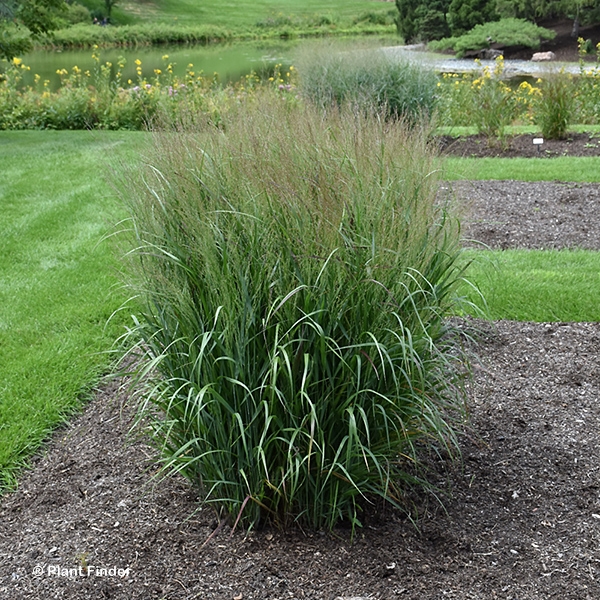
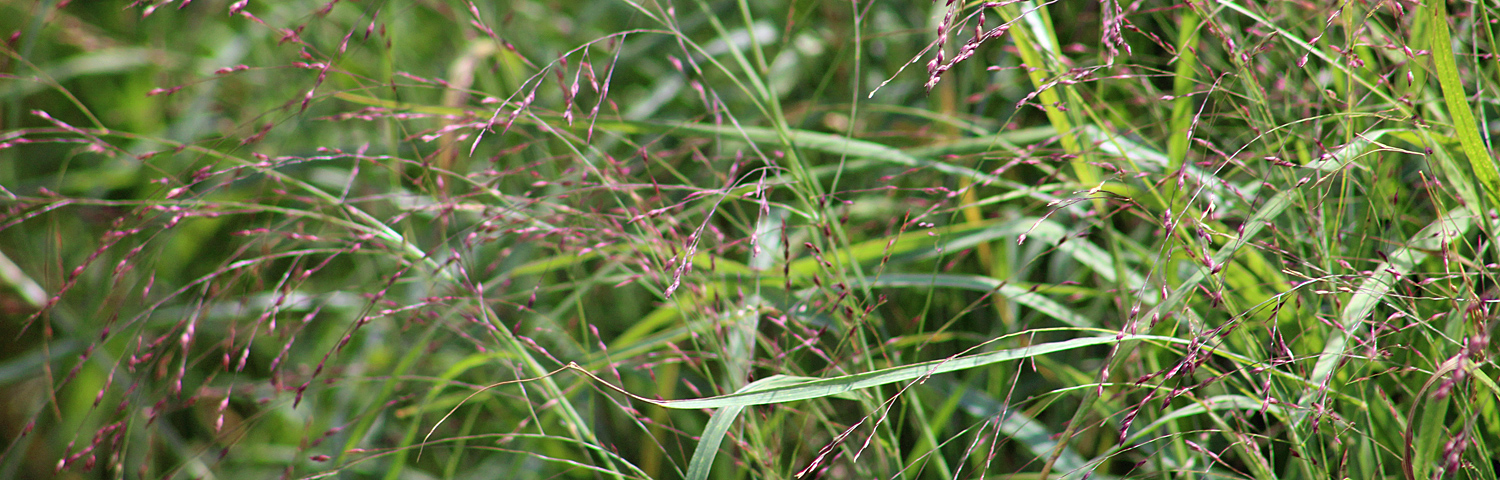
Panicum virgatum 'Red Flame' PP35213 is commonly referred to as Red Flame Switch Grass. This native switchgrass is very similar to P. 'Shenandoah' but with a more stunning red fall color and increased vigor. Its foliage is blue-green during the growing season and turns almost completely wine red by the end of summer.

Red Flame Switch Grass is very adaptable and can even remain standing through winter unless the snow is heavy. This allows for perfect winter hiding spots for wildlife. Red Flame thrives in full sun and can tolerate light shade. It can also tolerate wind and salt, and enjoys average, evenly moist, well-drained soils. Great for seaside areas or along roads that may get salted.


PLANT SIZE TYPE GALENA ADD'L DIG SOON

Current inventory will be listed above this line. This plant will not be in the cart if there is no Galena stock listed. Contact Sales Rep for details. |

KEY:
con = containers - available now
Galena = Above ground and available now
Additional = Remote location, call rep. Not in Shop.
Dig = Still in ground, call rep. Not in Shop (in orange).
Soon = Coming soon, call rep. Not in Shop.

(BBnPOT - formerly known as GRSTART - are B&B put into a container - they are available now)

Other Grasses


Planting Tips

To help Panicum virgatum types settle in and thrive, we recommend these standard planting practices: Plant in full sun in average, well-draining soil. It is incredibly adaptable, tolerating a wide range of soil conditions, including heavy clay and periodic wetness, and it becomes quite drought-tolerant once its extensive root system is established. Avoid over-fertilizing, as excess nutrients can cause the stems to become weak and prone to flopping. Cut the foliage back to the ground in late winter or early spring to prepare for a fresh season of growth.


AVAILABLE VARIETIES: