 Protected Series:
Zone: 5
Protected Series:
Zone: 5PORCUPINE GRASS
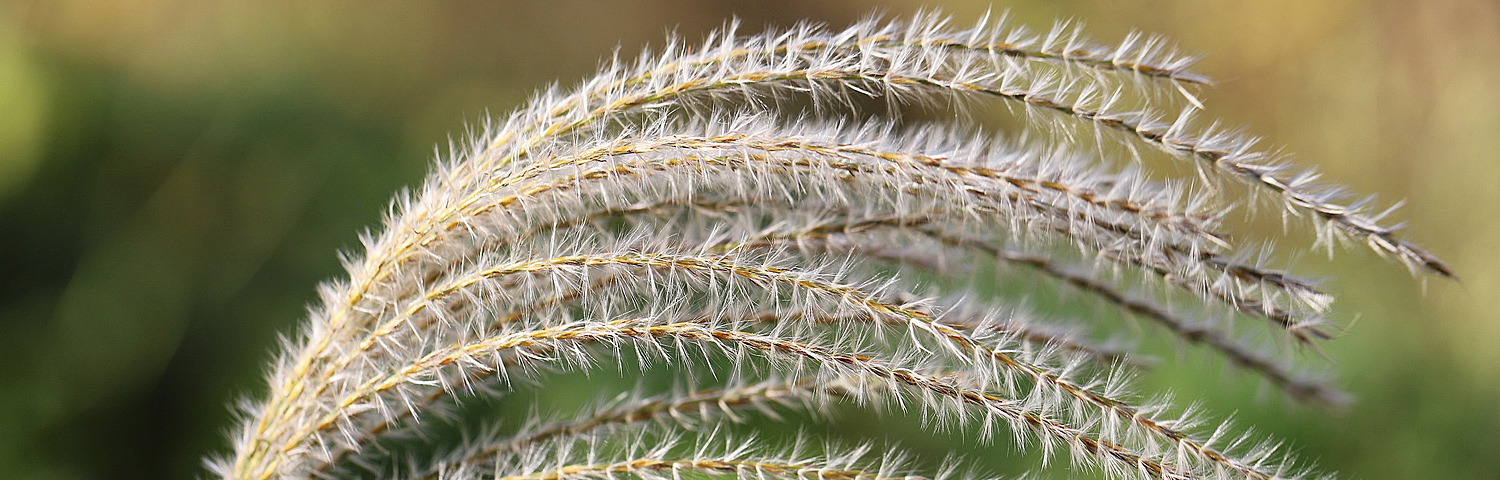
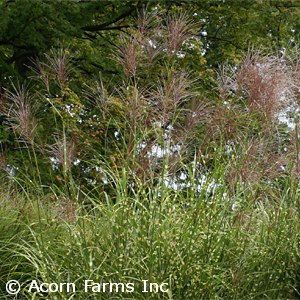
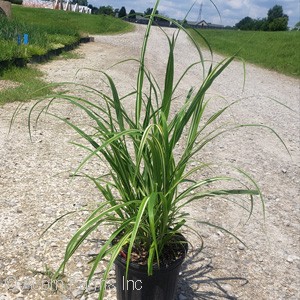
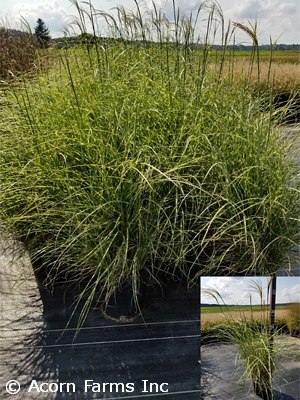
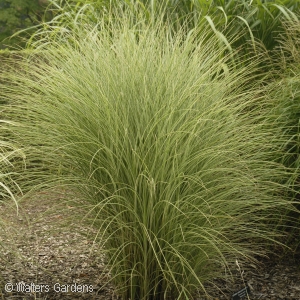
Miscanthus sinensis 'Strictus', widely known as Porcupine Grass, is a bold, architectural cultivar famous for its stiffly upright habit. Unlike its cousin 'Zebrinus' (Zebra Grass), which has a relaxed, arching form, 'Strictus' grows in tight, vertical columns that resemble a bundle of quills - hence the name. It typically reaches 5 to 6 feet tall and is instantly recognizable by the vivid horizontal gold bands that "spot" its olive-green blades. In late summer or early autumn, it produces reddish-bronze flower plumes that rise above the foliage and gradually mature into soft, silvery-tan tufts.
Caring for Porcupine Grass is incredibly easy, making it a perfect choice for gardeners who want a "statement plant" without the fuss. It performs best in full sun, which is necessary to keep the stems rigid and the golden variegation sharp; in too much shade, the plant may lose its upright posture and lean. It is highly drought-tolerant once established and can thrive in various soil types, including heavy clay, provided the area is well-drained. Because it is a deciduous grass, it will turn a warm tan in winter. Maintenance is a simple once-a-year task: in late winter or very early spring, cut the entire clump back to about 6-8 inches from the ground before the new "quills" emerge.
| PLANT | SIZE | TYPE | GALENA | ADD'L | DIG | SOON |
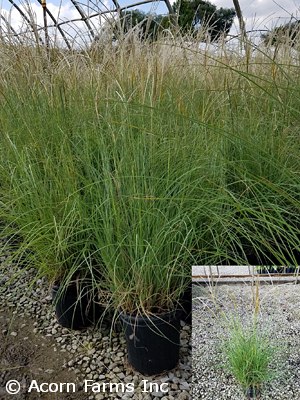
| MISCANTHUS SIN STRICTUS | con 2 | 201 | 342 | 0 | 0 | |
| MISCANTHUS SIN STRICTUS | con 3 | 89 | 70 | 0 | 0 | |
| MISCANTHUS SIN STRICTUS | con 5 | 50 | 0 | 0 | 0 |
Current inventory will be listed above this line. This plant will not be in the cart if there is no Galena stock listed. Contact Sales Rep for details. | Click for Availability column key & information.
To help Miscanthus sinensis types settle in and thrive, we recommend these standard planting practices: Plant in full sun in average, well-draining soil. For best performance and full plume production, ensure they receive ample sunlight; shade may lead to flopping or reduced flowering. They are adaptable to a variety of soil types and become quite drought-tolerant once established. These grasses are vigorous, clump-forming growers, so provide adequate spacing at planting to accommodate their mature size. Cut the foliage back to the ground in late winter or early spring to refresh the plant for the upcoming season.
ALSO AVAILABLE:

★ ON SALE ★