 Protected Series:
Zone: 4
Protected Series:
Zone: 4BLUE OAT GRASS
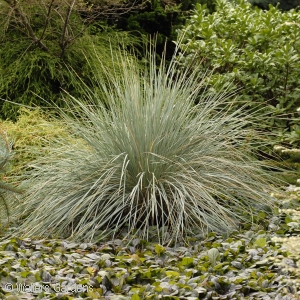
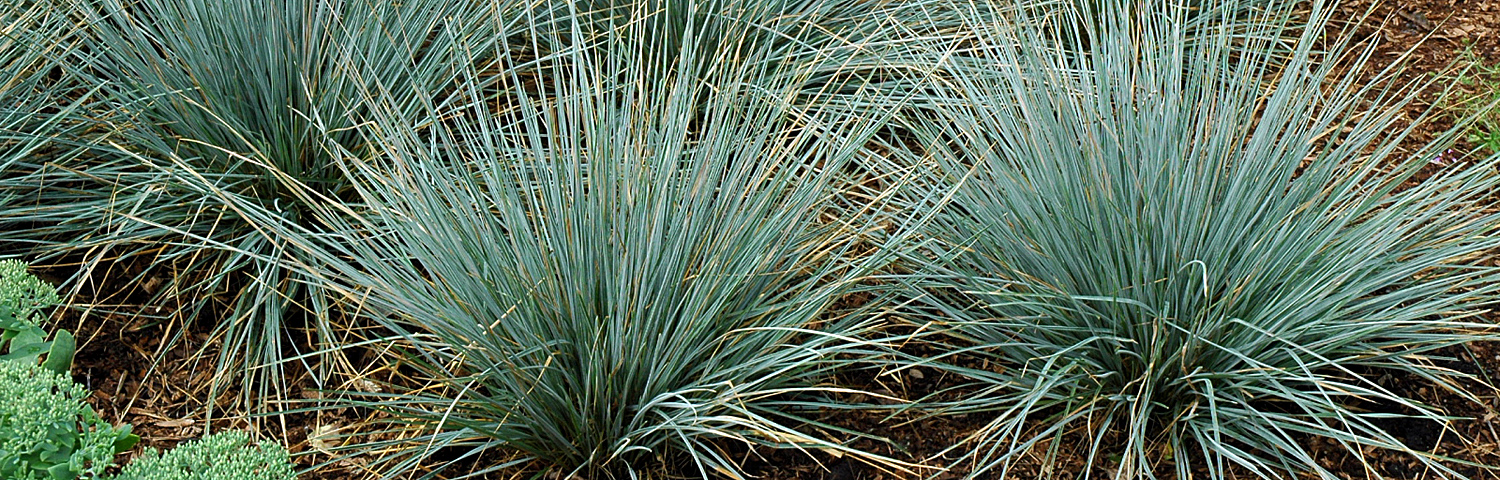
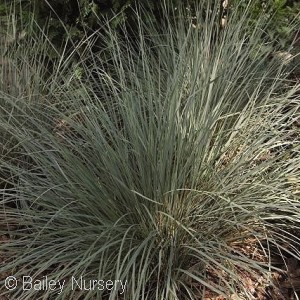
Helictotrichon sempervirens 'Sapphire', commonly known as Sapphire Blue Oat Grass, is a premium cool-season ornamental grass prized for its intense steel-blue color and tidy, architectural form. It is significantly more robust and disease-resistant than the standard species, forming a dense, spiky fountain of stiff, needle-like blades that reach about 18 to 24 inches in height and width. In early summer, it produces graceful, arching stems topped with shimmering, wheat-colored flower panicles that sway well above the foliage. Because of its structural "urchin" shape and metallic hue, 'Sapphire' is a favorite for modern gravel gardens, Mediterranean-style landscapes, or as a cooling focal point in sunny borders.
Caring for 'Sapphire' is quite easy as long as it is kept in a "high and dry" environment to prevent the foliage from rusting or rotting. It performs most brilliantly in full sun, which is essential for maintaining its vivid blue wax coating; in too much shade, the plant will turn a dull green and lose its stiff, upright habit. This grass must have sharply drained soil and is highly drought-tolerant once established, though it struggles in heavy, wet clay or high-humidity regions. Because it is semi-evergreen, you should avoid cutting the entire clump to the ground in the spring. Instead, simply "comb" through the blades with your fingers or a small hand rake to remove dead foliage or lightly trim the tips to refresh the mound for the new season.
| PLANT | SIZE | TYPE | GALENA | ADD'L | DIG | SOON |
| HELICTOTRICHON SEM SAPPHIRE | TRADE 1 | 13 | 0 | 0 | 0 |
Current inventory will be listed above this line. This plant will not be in the cart if there is no Galena stock listed. Contact Sales Rep for details. | Click for Availability column key & information.
To help Helictotrichon sempervirens settle in and thrive, we recommend these standard planting practices: Plant in full sun in lean, sharply well-draining soil. Helictotrichon sempervirens (Blue Oat Grass) is a cool-season, clumping grass prized for its rigid, metallic-blue foliage and striking oat-like flower spikes. Because this grass is sensitive to high humidity and heavy soils, excellent drainage and good air circulation are critical to preventing fungal issues or crown rot. It performs best in moderate temperatures and should not be over-fertilized or planted in overly rich, wet soil. Cut the foliage back to the ground in late winter or early spring to refresh the clump for the new growing season.
ALSO AVAILABLE: