 Protected Series: PUGSTER
Zone: 5
Protected Series: PUGSTER
Zone: 5
PUGSTER SORBET™ BUTTERFLY BUSH
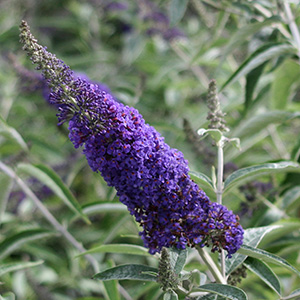
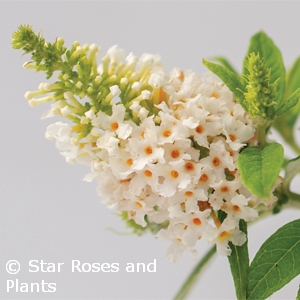
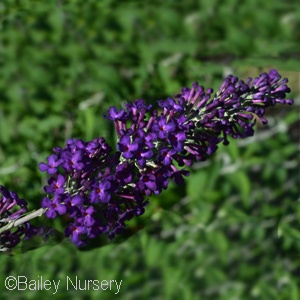
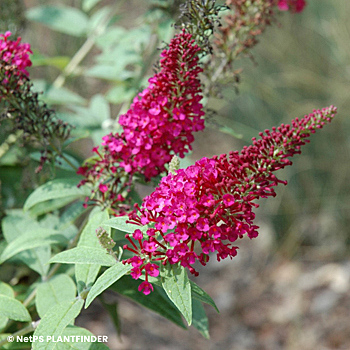
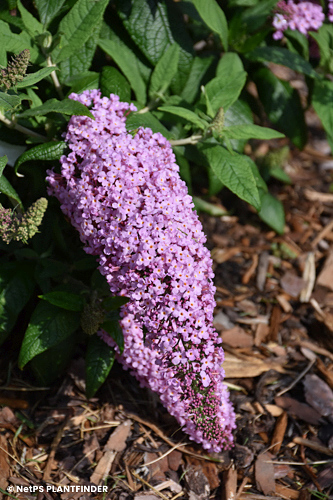
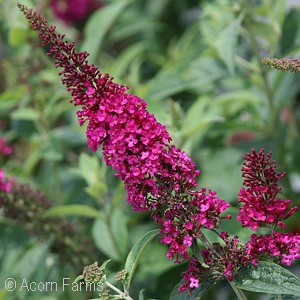
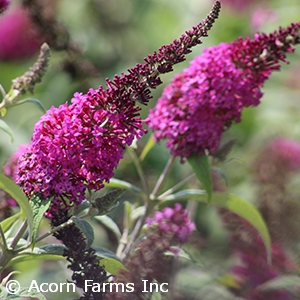
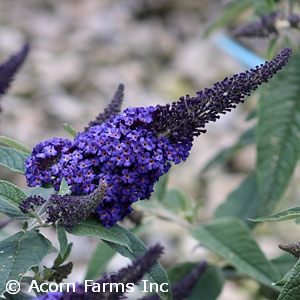
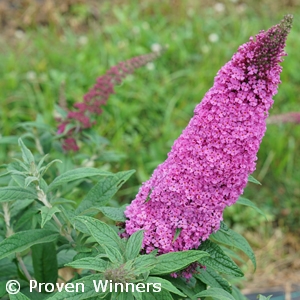
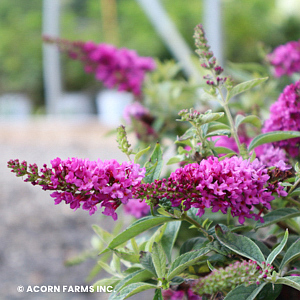
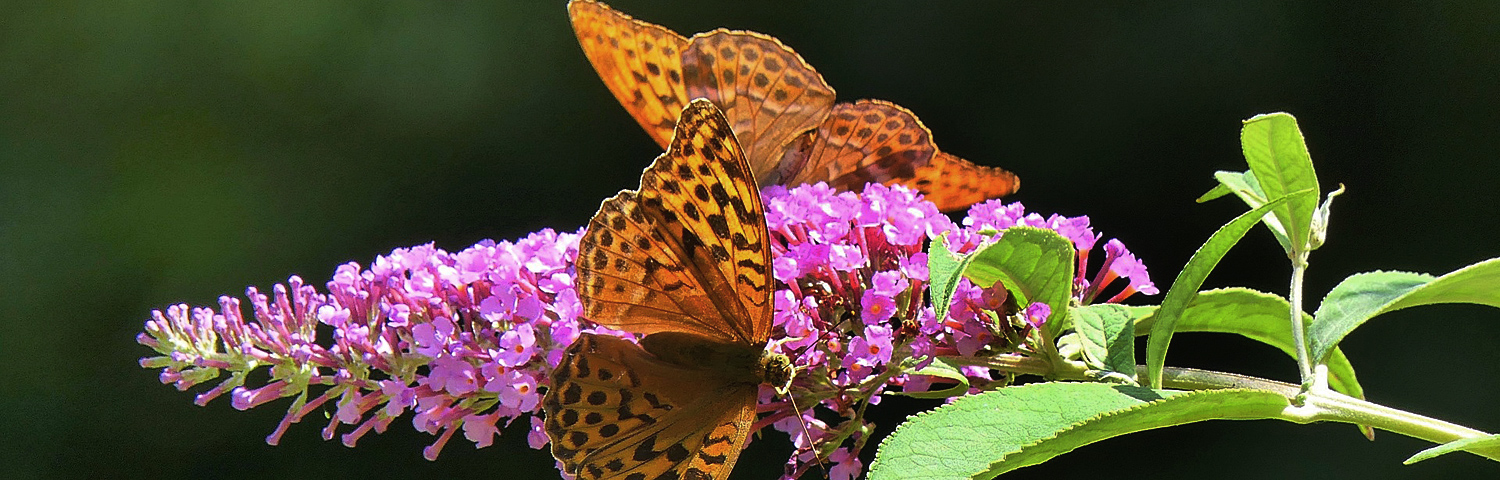
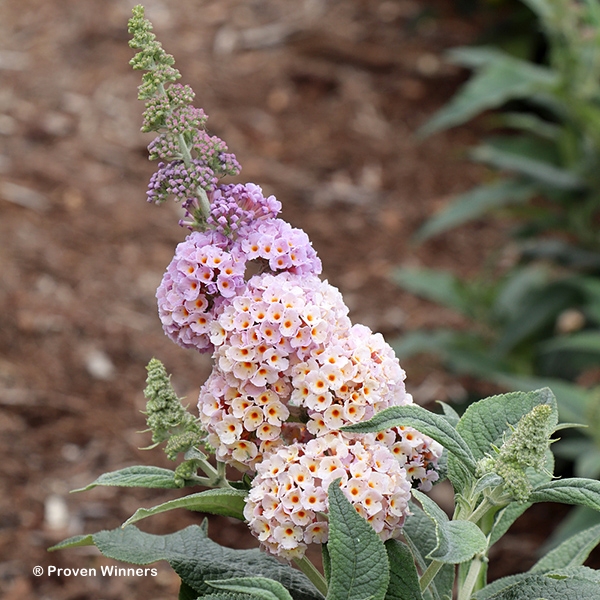
If you're looking for a splash of tropical flair, Buddleia Pugster® Sorbet is the standout choice for vibrant, multi-toned color. It is celebrated for its unique bicolored blooms, featuring a blend of bright purple and soft lavender with a glowing orange 'eye' at the center of each floret. Like other members of the Pugster® family, it is bred to be 'short and stout,' maintaining a dense, bushy habit that reaches only about 2-3 feet in height and spread. Despite its petite frame, its flower spikes are massive and full-sized, providing a beautiful fragrance and a constant supply of nectar that acts as a beacon for butterflies and hummingbirds from mid-summer through autumn.
Pugster Sorbet® thrives in full sun with soil that offers excellent drainage. It is notoriously sensitive to "wet feet," especially during the winter months.
| PLANT | SIZE | TYPE | GALENA | ADD'L | DIG | SOON |
Any current Availability will be listed above this line. This item will not be in the cart if there is no Galena stock listed here.
Click for Availability column key/information.
To help this plant settle in and thrive, we recommend these standard planting practices: Plant in full sun with well-draining soil. Water regularly, but avoid overwatering. Prune in late winter or early spring to maintain shape and promote new growth. Fertilize in early spring with a balanced fertilizer.
Available cultivars in this genus: