 Protected Series:
Zone: 2
Protected Series:
Zone: 2NANNYBERRY VIBURNUM
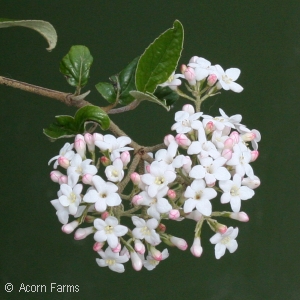
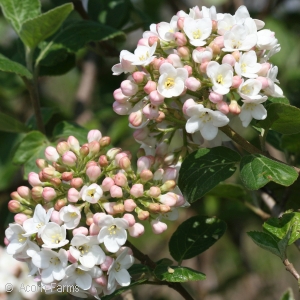
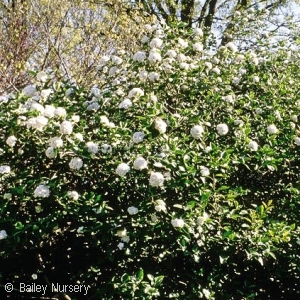
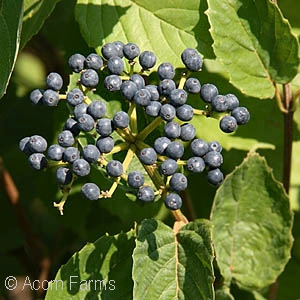
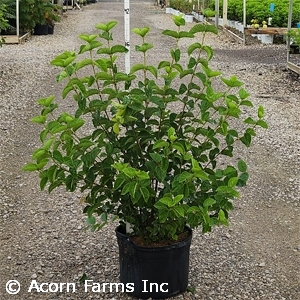
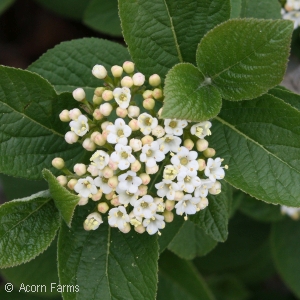
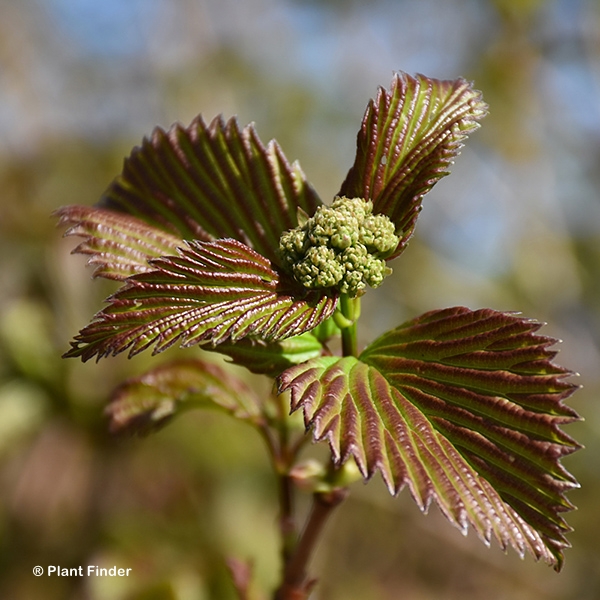
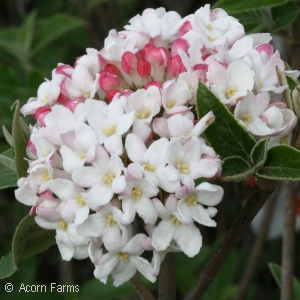
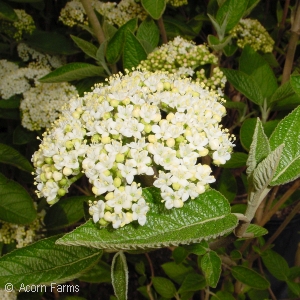
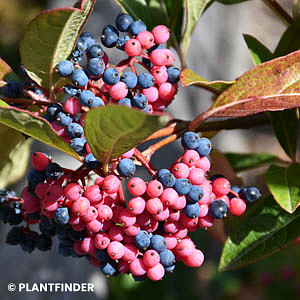
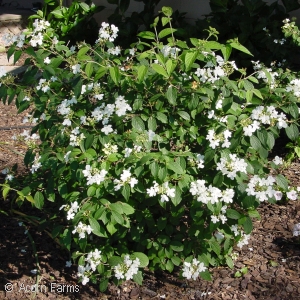
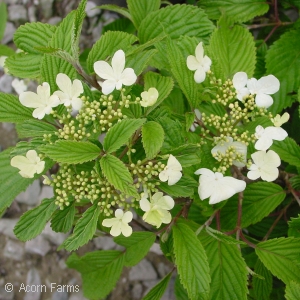
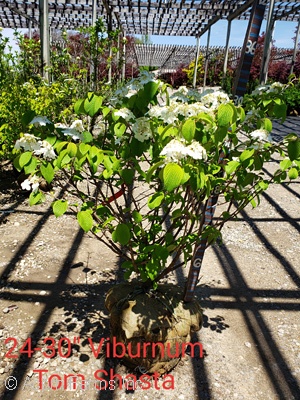
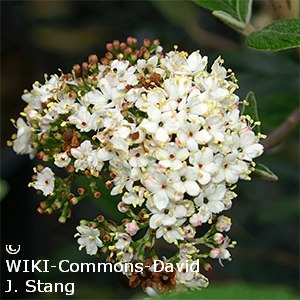
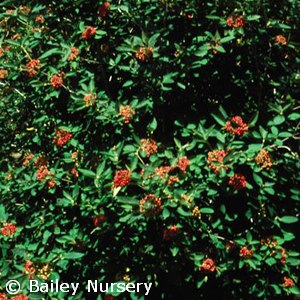
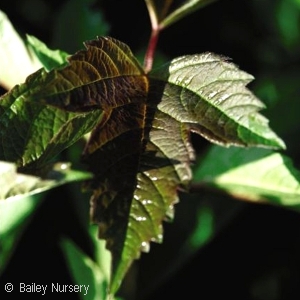
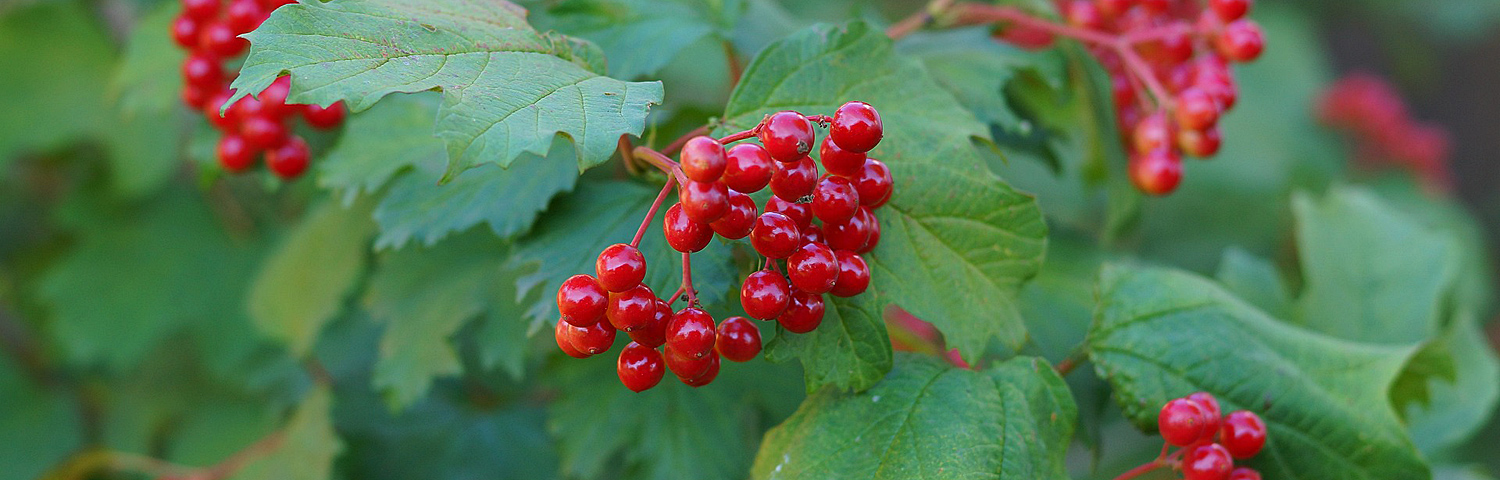
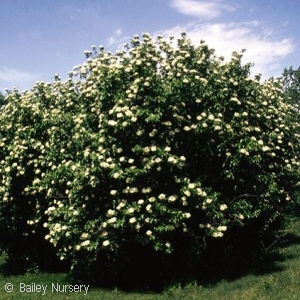
Viburnum lentago is commonly referred to as Nannyberry Viburnum, Black Haw, Cowberry, Nanny Plum or Sweet Viburnum. It is a tall, upright, hardy native species that can be grown as a small tree. It features arching branches and attractive white flower clusters in spring, dense dark green foliage in summer, and dark blue berries and reddish-purple leaf color in fall. Pollinators, songbirds, gamebirds and other mammals will enjoy this plant as much as you do. It is known to be a larval host for the Spring Azure Butterfly. (Note: cross pollination is needed for reliable fruit production)
Lentago Viburnum spreads by roots to form colonies and makes an excellent privacy screen. It thrives in full to partial, dappled sun and is quite shade tolerant. It enjoys evenly moist, well-drained soils, and is perfect for areas near stream banks although it will tolerate drier sites and other soil types.
| PLANT | SIZE | TYPE | GALENA | ADD'L | DIG | SOON |
Current inventory will be listed above this line. This plant will not be in the cart if there is no Galena stock listed. Contact Sales Rep for details. | Click for Availability column key & information.
To help this plant settle in and thrive, we recommend these standard planting practices: Plant in well-draining soil with full sun to partial shade. Water regularly but avoid overwatering. Fertilize in early spring with a balanced fertilizer. Prune sparingly and only immediately after flowering to maintain shape; avoid pruning in late winter or early spring, as this will remove the flower buds for the coming season.
AVAILABLE VARIETIES: