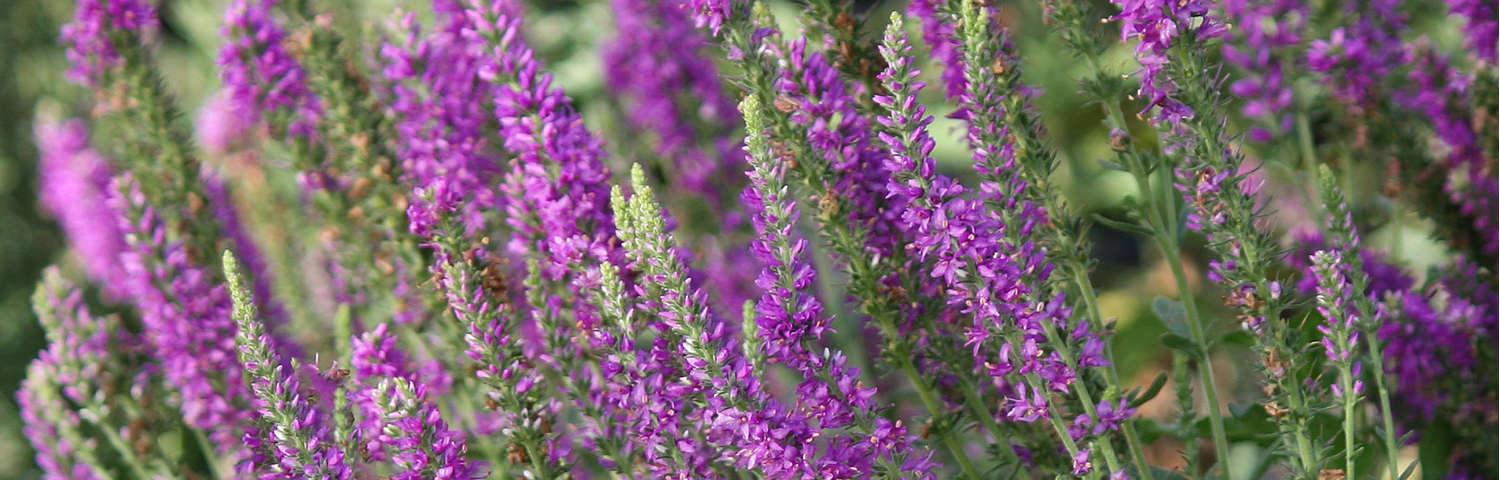
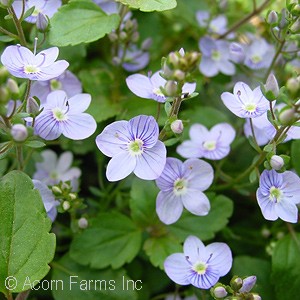
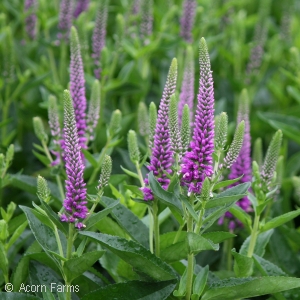
WATERPERRY BLUE VERONICA
| PLANT | SIZE | TYPE | GALENA | ADD'L | DIG | SOON |
|---|---|---|---|---|---|---|
| VERONICA WATERPERRY BLUE | con 1 | 114 | 0 | 0 | 0 |
Current inventory will be listed above this line. Contact Sales Rep for details. | Click for key & info
To help this plant settle in and thrive, we recommend these standard planting practices: Position the plant in a location with full sun, as these low growing varieties need abundant light to prevent the centers from thinning or opening up. Ensure the soil is exceptionally well draining, as these mat forming species prefer a leaner, grittier environment, and consider incorporating sand or pea gravel if your native soil is heavy. Water moderately to help the plant establish, but avoid persistent wetness, which can lead to crown rot. Rather than using thick organic bark mulch, which can retain too much moisture against the delicate foliage, consider using a layer of pea gravel or stone around the plant to keep the stems dry. Avoid mounding any mulch against the plant itself, and keep fertilizers light or omit them entirely, as these species often thrive in slightly less fertile conditions than their taller, more vigorous counterparts.
More in this Genus:
★ ON SALE ★