HIDCOTE ENGLISH LAVENDER
LAVANDULA ANG HIDCOTE
Lavandula angustifolia 'Hidcote'
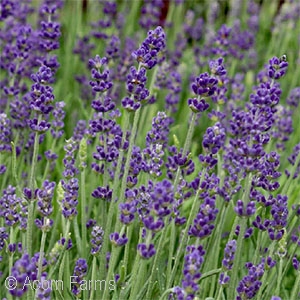
photo copyright Acorn Farms Inc
HIDCOTE ENGLISH LAVENDER
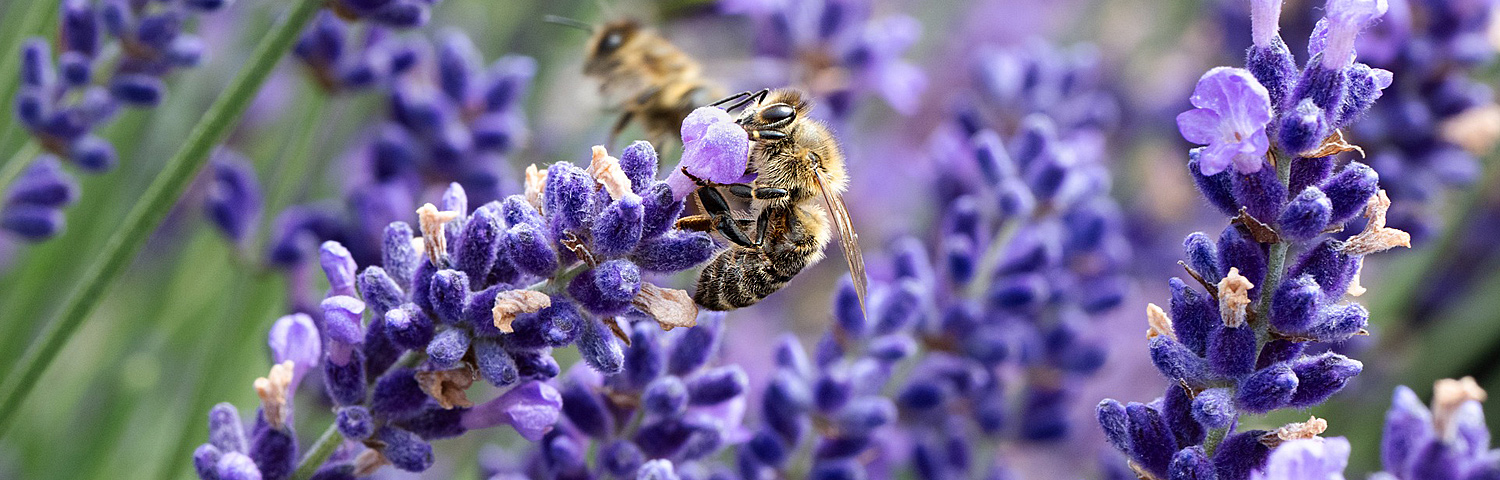
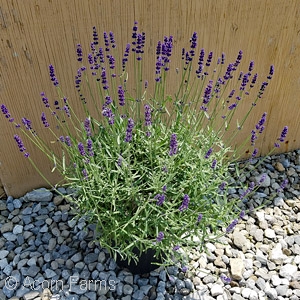
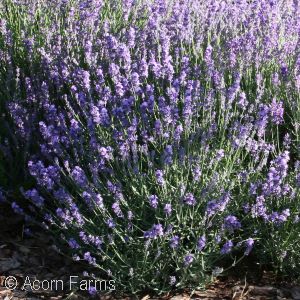
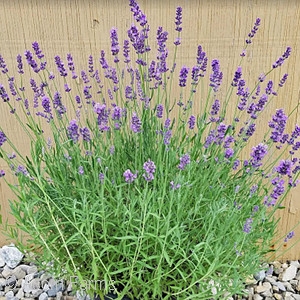
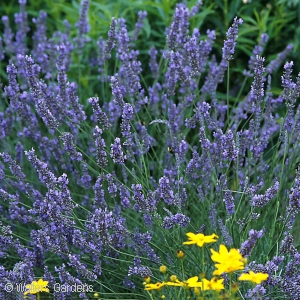
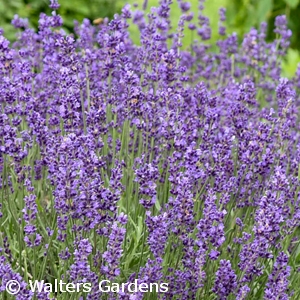
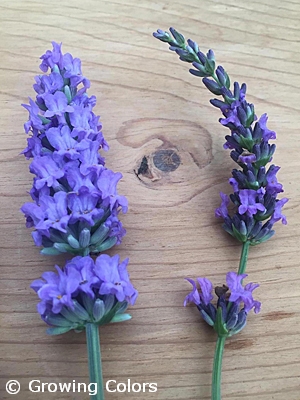
Lavandula angustifolia 'Hidcote' is more commonly known as Hidcote Lavender, is one of the most popular and classic cultivars of English lavender, revered for its tidy, compact, dwarf habit and its exceptionally dark, rich violet-purple flowers. It typically forms a dense, mounded shape, growing to a height and spread of about 18-24 inches, making it an excellent choice for formal designs. Its narrow, aromatic, silvery-gray-green foliage provides year-round texture and is a perfect foil for the deep purple flower spikes, which bloom prolifically from early to mid-summer. 'Hidcote' is highly valued for its strong fragrance and high essential oil content, which makes it a favorite for culinary use, dried floral arrangements, sachets, and potpourris, in addition to its aesthetic appeal in the garden.
'Hidcote' Lavender requires full sun (a minimum of 6 hours per day) for the best flower production and to maintain its compact form. The single most important cultural requirement is superb drainage, as it is highly susceptible to root rot in wet soil, especially during winter. Plant it in poor to average, well-draining, sandy, or gravelly soil, and avoid enriching the soil with organic matter or over-fertilizing. Regular light pruning in early spring and again after the first flush of flowers will encourage bushier growth, prevent woodiness, and prolong the blooming season, ensuring a beautiful, dense, and fragrant presence in the garden border, rockery, or container.
Scroll table horizontally to view all stock & quantities →
| PLANT |
SIZE |
TYPE |
GALENA |
ADD'L |
DIG |
SOON |
| LAVANDULA ANG HIDCOTE | con 1 | | 16 | 0 | 0 | 0 |
Current inventory will be listed above this line. Contact Sales Rep for details. |
Click for key & info
KEY:
con = containers - available now
Galena = Above ground and available now
Additional = Remote location, call rep. Not in Shop.
Dig = Still in ground, call rep. Not in Shop (in orange).
Soon = Coming soon, call rep. Not in Shop.
(BBnPOT - formerly known as GRSTART - are B&B put into a container - they are available now)