BIG TIME BLUE ENGLISH LAVENDER
LAVANDULA ANG BIG TIME BLUE
Lavandula angustifolia 'Armtipp01' PP24,827
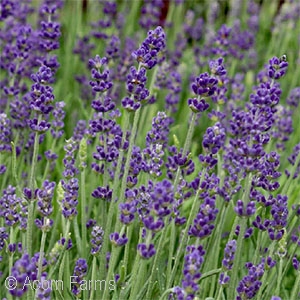
photo copyright Acorn Farms Inc
BIG TIME BLUE ENGLISH LAVENDER
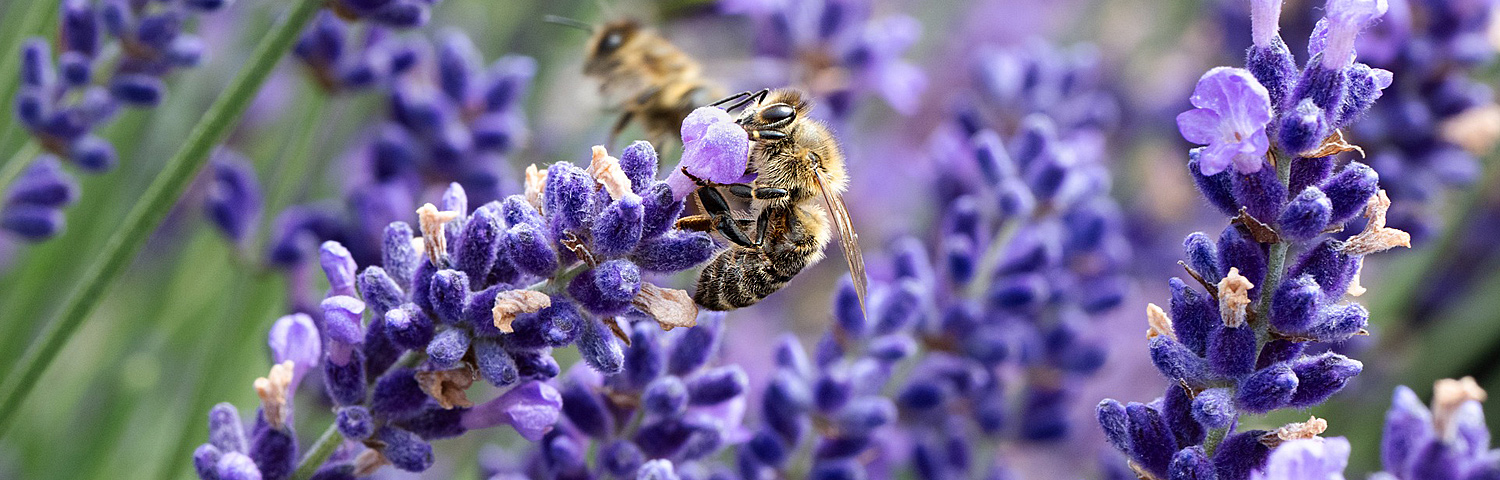
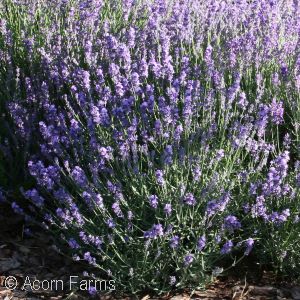
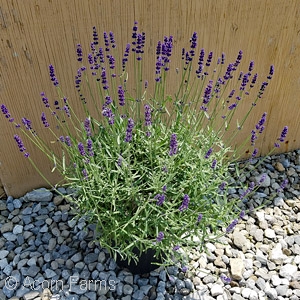
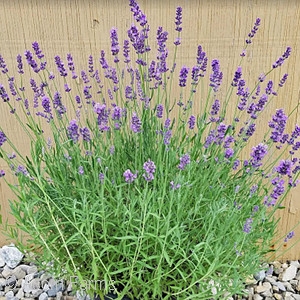
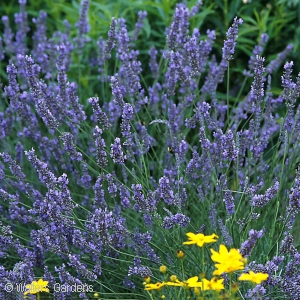
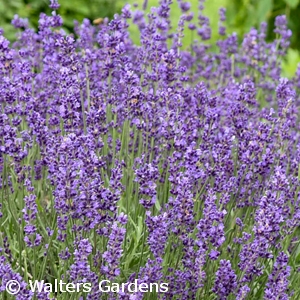
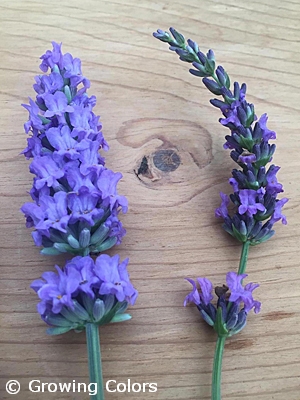
Lavandula angustifolia 'Big Time Blue' is more commonly known as Big Time Blue Lavender. It is a distinguished cultivar of English Lavender, highly prized for its exceptionally large, fragrant, deep violet-blue flowers and compact, bushy habit. Unlike many other English lavenders, 'Big Time Blue' is noted for its early and prolonged bloom time, often starting in early summer and continuing with successive flushes well into the fall. Its silvery-green, aromatic foliage provides a beautiful contrast to the deep flower color and maintains interest year-round in milder climates.
'Big Time Blue' lavender requires full sun (at least six hours per day) to maximize flowering and maintain its dense, compact shape. The most critical factor for success is excellent soil drainage; the plant is prone to root rot in heavy, wet soils. It thrives in average, well-drained, slightly alkaline to neutral soil, making it ideal for rock gardens, dry slopes, or containers where drainage can be controlled. Pruning should be done lightly in early spring to shape the plant and again after the first major flush of blooms to encourage repeat flowering and prevent the plant from becoming overly woody.
Scroll table horizontally to view all stock & quantities →
| PLANT |
SIZE |
TYPE |
GALENA |
ADD'L |
DIG |
SOON |
| LAVANDULA ANG BIG TIME BLUE | con 1 | | 154 | 0 | 0 | 0 |
Current inventory will be listed above this line. Contact Sales Rep for details. |
Click for key & info
KEY:
con = containers - available now
Galena = Above ground and available now
Additional = Remote location, call rep. Not in Shop.
Dig = Still in ground, call rep. Not in Shop (in orange).
Soon = Coming soon, call rep. Not in Shop.
(BBnPOT - formerly known as GRSTART - are B&B put into a container - they are available now)