 Protected Series:
#2986
Protected Series:
#2986
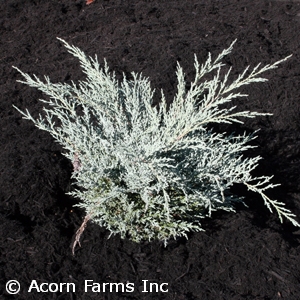
BAR HARBOR CREEPING JUNIPER
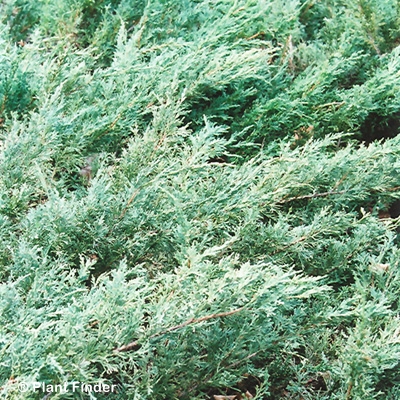
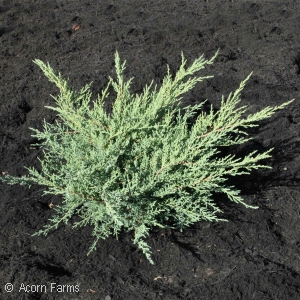
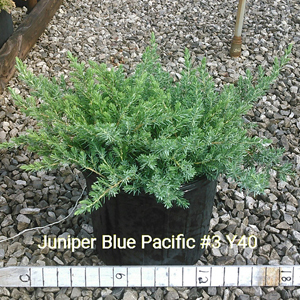
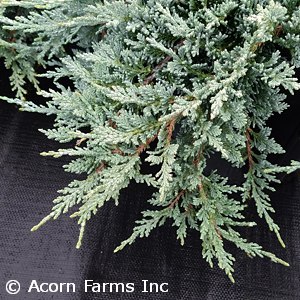
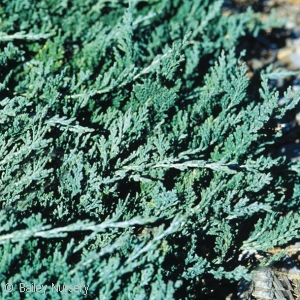
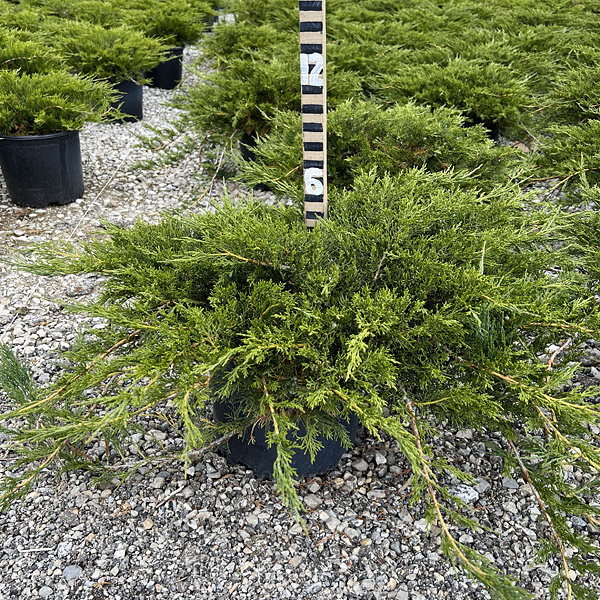
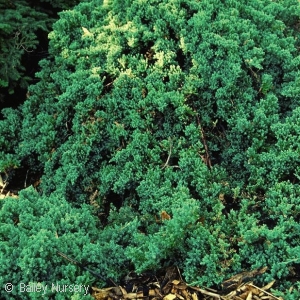
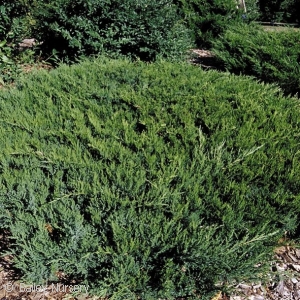
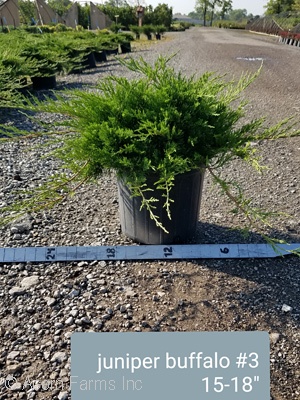
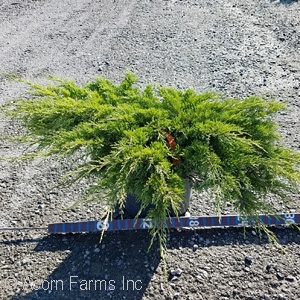
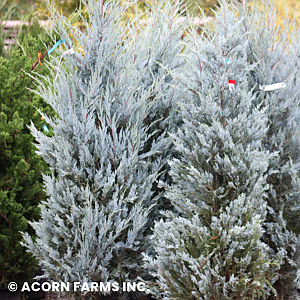
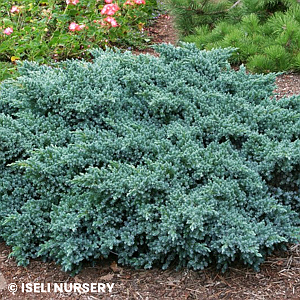
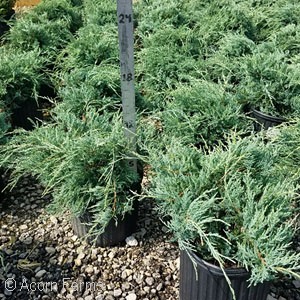
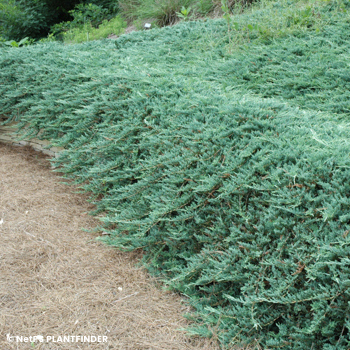
Juniperus horizontalis 'Bar Harbor' is more commonly known as Bar Harbor Creeping Juniper. It is a relatively fast-growing, ground-hugging, male, evergreen shrub or groundcover. It has long trailing blue-gray branches that spread horizontally that make it ideal for rocky areas and near streams.
Bar Harbor Juniper is deer resistant and thrives in full sun in evenly moist, sandy, well-drained soils. It can be drought tolerant when established. It grows well along the coast and is known for being moderately salt tolerant. Ideal as a groundcover for erosion control or used in rock gardens.
| PLANT | SIZE | TYPE | GALENA | ADD'L | DIG | SOON |
Current inventory will be listed above this line. This plant will not be in the cart if there is no Galena stock listed. Contact Sales Rep for details. | Click for Availability column key & information.
To help this plant settle in and thrive, we recommend these standard planting practices: Plant in well-draining soil, selecting a location that receives full sun to ensure the best foliage color and density. These evergreen shrubs are incredibly durable and heat-tolerant, though they require consistent water during the first season until the root system is well established; thereafter, they are notably drought-tolerant.
Prune as needed in late winter or early spring to manage size or remove dead wood, but avoid aggressive shearing that exposes the inner woody stems. Apply a layer of organic mulch around the root zone to conserve moisture and suppress weeds, taking care to keep the material a few inches away from the crown to prevent stem rot.
AVAILABLE VARIETIES: