 Protected Series:
Zone: 5
Protected Series:
Zone: 5CLIMBING HYDRANGEA
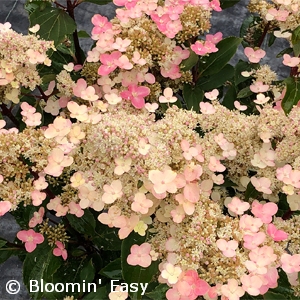
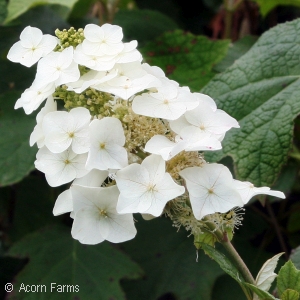
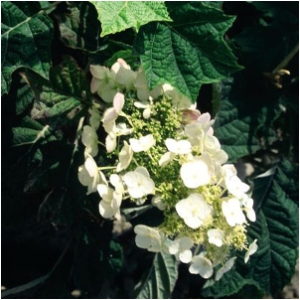
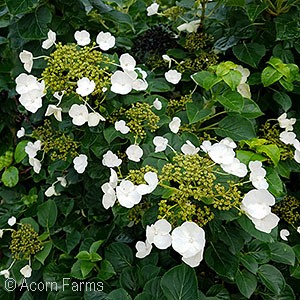
Hydrangea anomala petiolaris is commonly referred to as the Climbing Hydrangea. This Japanese and Korean native is a vigorous, deciduous, fast-growing vine once it is established. It features heart-shaped, green leaves; and fragrant, white, lacecap flower clusters that appear in June. (Flowers bloom on old wood.) Its lateral branches can grow as much as 3 feet and its reddish brown peeling bark adds attractive winter interest. Leaves turn an attractive golden yellow in fall.
Climbing Hydrangeas are easy to grow and are perfect for covering a wall or fence in a shady area. It thrives in shade and appreciates rich, evenly moist, well-drained soils. It is attractive year-round and a popular landscape plant for shady areas.
| PLANT | SIZE | TYPE | GALENA | ADD'L | DIG | SOON |
| HYDRANGEA PETIOLARIS | con 3 | BI | 3 | 0 | 0 | 0 |
| HYDRANGEA PETIOLARIS | con 3 | STAKE | 59 | 0 | 0 | 0 |
| HYDRANGEA PETIOLARIS | con 5 | STAKE | 3 | 0 | 0 | 0 |
Current inventory will be listed above this line. This plant will not be in the cart if there is no Galena stock listed. Contact Sales Rep for details. | Click for Availability column key & information.
To help this plant settle in and thrive, we recommend these standard planting practices: Plant in rich, well-draining, slightly acidic soil. Provide a sturdy trellis, wall, or fence, as this variety is a climber that requires structural support. It thrives in partial to full shade, making it an excellent choice for north-facing exposures. Water regularly to maintain consistent soil moisture, especially during the first two years of establishment. Prune sparingly and only immediately after flowering to maintain shape; avoid pruning in late winter or early spring, as this will remove the following season's flower buds.
AVAILABLE VARIETIES: