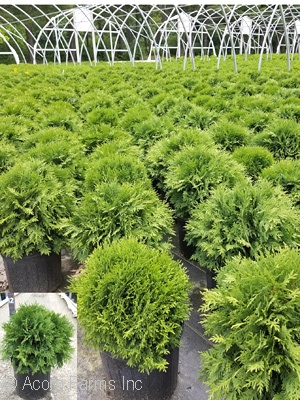
TAHITI™ ROSE OF SHARON
HIBISCUS SYR TAHITI
Hibiscus syriacus 'Mineru' First Editions® Tahiti™
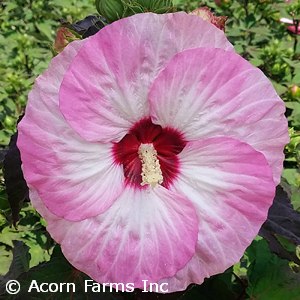
photo copyright Acorn Farms Inc
TAHITI™ ROSE OF SHARON
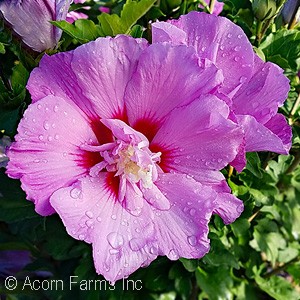
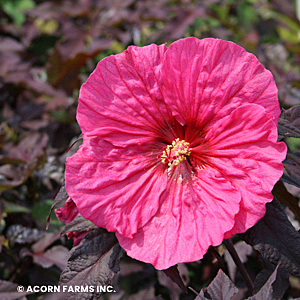
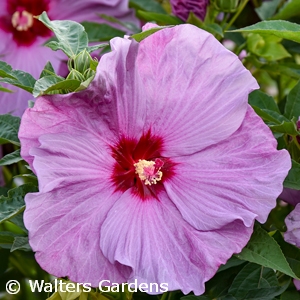
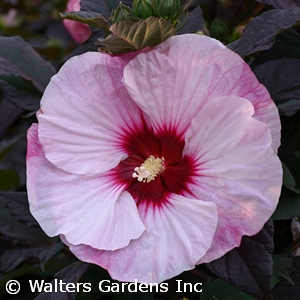
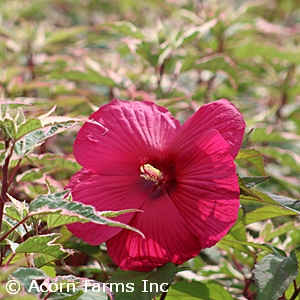
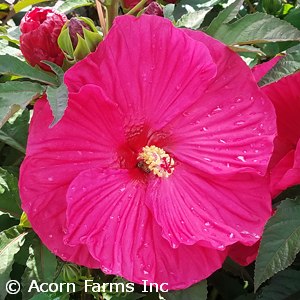
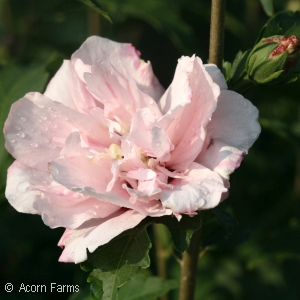
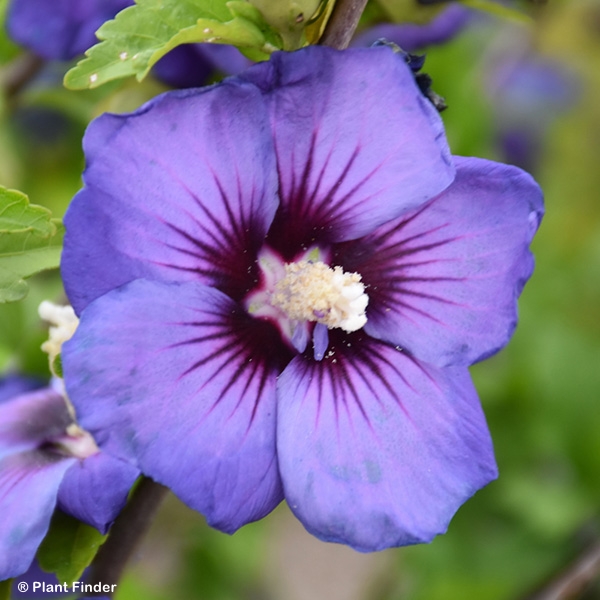
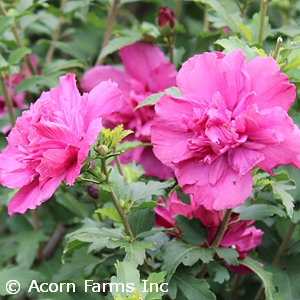
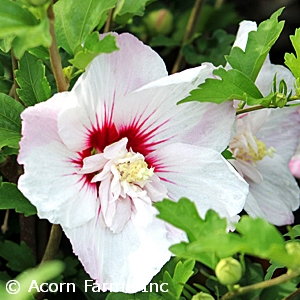
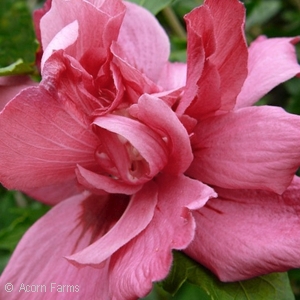
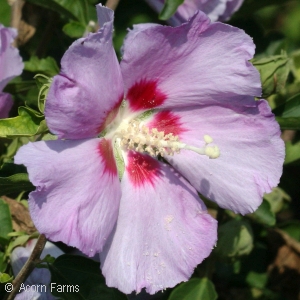
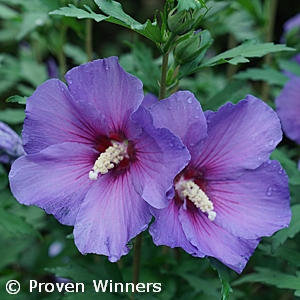
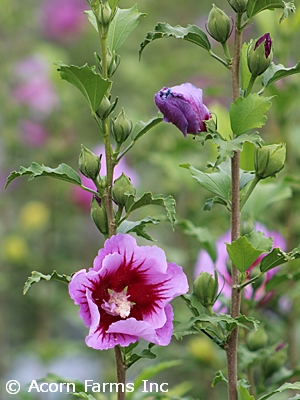
Hibiscus syriacus 'Mineru' First Editions® Tahiti™ is commonly referred to as Tahiti™ Rose of Sharon. It is a First Editions® selection that features semi-double, deep pink-purple, trumpet-shaped flowers that have deep red centers. It blooms continuously from mid-summer through fall and attracts all types of beneficial pollinators such as bees, hummingbirds and butterflies.
Tahiti™ Rose of Sharon is heat and drought resistance once it is established. It thrives in full to partial sun in rich, fertile, evenly moist, well-drained soils. A nice bonus of Hibiscus syriacus cultivars is the ability to manipulate them into a tree shape for a more formal architectural feature.
Scroll table horizontally to view all stock & quantities →
| PLANT |
SIZE |
TYPE |
GALENA |
ADD'L |
DIG |
SOON |
| HIBISCUS SYR TAHITI | con 3 | | 193 | 0 | 0 | 0 |
| HIBISCUS SYR TAHITI | con 5 | | 109 | 0 | 0 | 0 |
Current inventory will be listed above this line. Contact Sales Rep for details. |
Click for key & info
KEY:
con = containers - available now
Galena = Above ground and available now
Additional = Remote location, call rep. Not in Shop.
Dig = Still in ground, call rep. Not in Shop (in orange).
Soon = Coming soon, call rep. Not in Shop.
(BBnPOT - formerly known as GRSTART - are B&B put into a container - they are available now)