

 Protected Series:
#1050
Protected Series:
#1050
HARRY LAUDERS WALKINGSTICK
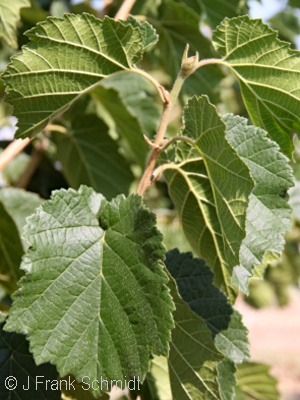
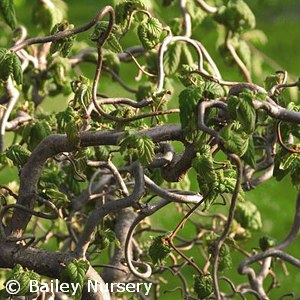
Corylus avellana 'Contorta' is also known by common names: Harry Lauder's Walking Stick, Contorted Filbert or Corkscrew Hazel. It is a large, deciduous, rounded, multi-trunked shrub that typically grows to 8-10 feet and is noteworthy for its fascinating twisted and beautifully contorted branches, twigs and leaves. Its contorted growth habit looks best in winter landscapes with its twisted branches and catkins in late winter.
The Harry Lauder's Walking Stick is used in naturalized areas, group plantings, borders and woodland margins. It enjoys full to part sun in moist, rich, well-drained soils. It does not tolerate clay soils.
| PLANT | SIZE | TYPE | GALENA | ADD'L | DIG | SOON |
Current inventory will be listed above this line. This plant will not be in the cart if there is no Galena stock listed. Contact Sales Rep for details. | Click for Availability column key & information.
To help this plant settle in and thrive, we recommend these standard planting practices: Plant in fertile, well-draining soil in a location that receives full sun to partial shade. Because these cultivars are grafted, monitor the base regularly and remove any straight-growing shoots originating from the rootstock to maintain the plant's unique, twisted form. Prune in late winter or early spring to remove dead or damaged branches, avoiding heavy shearing to preserve the distinctive architecture. Apply a layer of organic mulch around the root zone to conserve moisture, keeping the area near the crown clear to prevent stem rot.
AVAILABLE VARIETIES: