 Protected Series:
Zone: 5
Protected Series:
Zone: 5AVALANCHE FEATHER REED GRASS
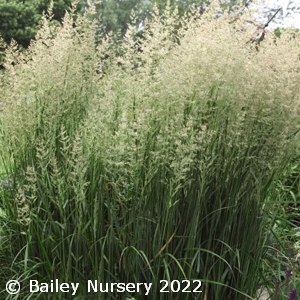
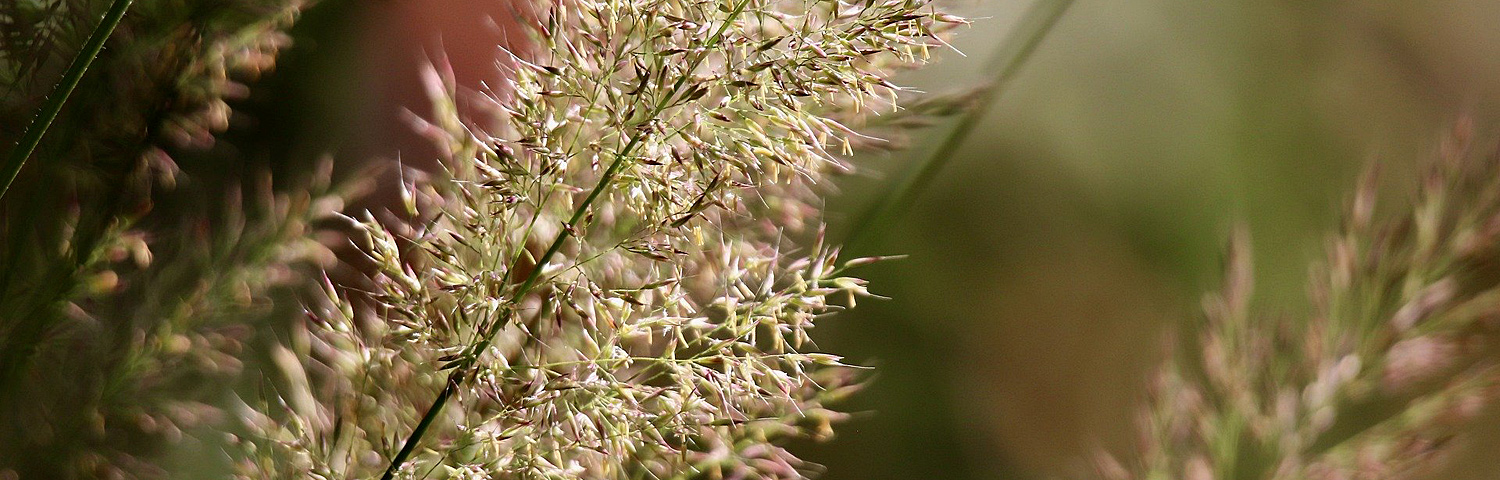
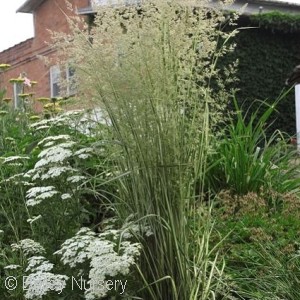
Calamagrostis x acutiflora 'Avalanche', commonly known as Avalanche Feather Reed Grass, is a showy variegated ornamental grass that serves as a refined, "reversed" version of the popular 'Karl Foerster'. Unlike its cousin, 'Avalanche' features a prominent creamy-white stripe down the center of each deep green blade, creating a luminous, silvery-green effect in the landscape. It maintains a strictly upright, narrow habit, typically reaching 4 to 5 feet in height with a modest 2-to-3-foot spread. In mid-summer, it sends up elegant, feathery flower stalks that emerge with a pinkish tint before maturing into narrow, golden-tan wheat-like spikes that persist well into the winter months.
Caring for 'Avalanche' is remarkably easy, provided it is planted in full sun, though it can tolerate light afternoon shade in hotter climates. As a "cool-season" grass, it begins growing early in the spring and performs best in moist, well-drained soils, though it is highly adaptable to heavy clay. To keep the plant looking its best and prevent it from becoming "leggy," ensure it receives consistent moisture during dry spells. Maintenance is minimal: since the dried stalks provide excellent winter interest, wait until late winter or very early spring to cut the entire clump back to about 4-6 inches above the ground. This allows the fresh, variegated new growth to emerge unimpeded as soon as the soil begins to warm.
| PLANT | SIZE | TYPE | GALENA | ADD'L | DIG | SOON |
| CALAMAGROSTIS ACU AVALANCHE | con 1 | 193 | 0 | 0 | 0 |
Current inventory will be listed above this line. This plant will not be in the cart if there is no Galena stock listed. Contact Sales Rep for details. | Click for Availability column key & information.
To help Calamagrostis acutiflora types settle in and thrive, we recommend these standard planting practices: Plant in full sun to partial shade in average, well-draining soil. Calamagrostis acutiflora varieties are highly valued for their narrow, upright, and architectural habit, making them an excellent choice for vertical interest in borders or mass plantings. They are adaptable to a wide range of soil conditions, including heavy clay, and prefer consistent moisture during the growing season. As these grasses are clump-forming and non-invasive, they do not require containment. For best performance, cut the foliage back to just a few inches above the ground in late winter or early spring to encourage fresh, vigorous growth for the new season.
AVAILABLE VARIETIES: