ACER SACCHARUM ACORN FARMS

SUGAR MAPLE
ACER SACCHARUM

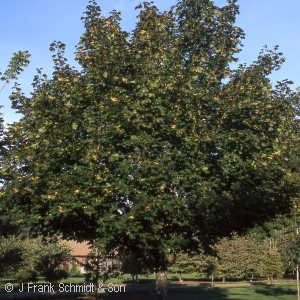
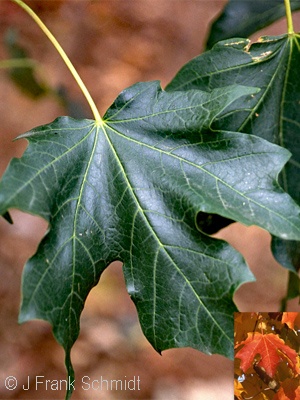
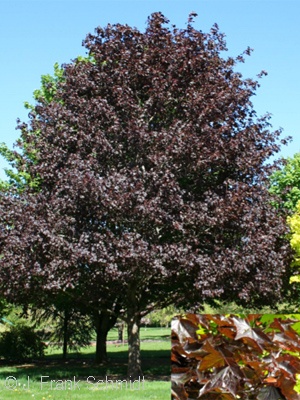
Acer saccharum

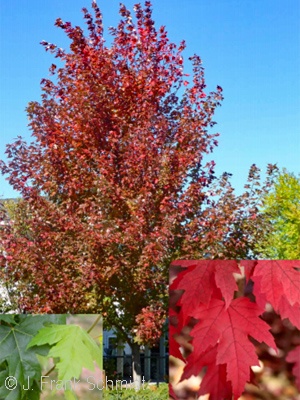
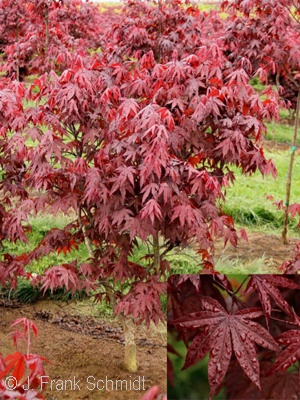
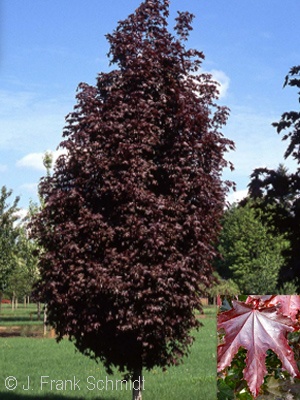
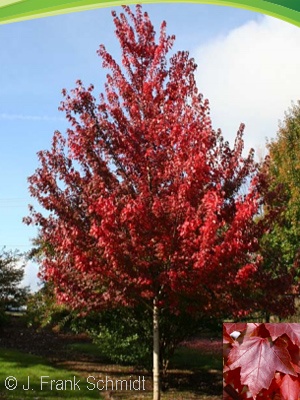
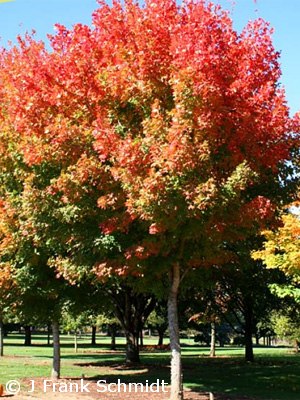
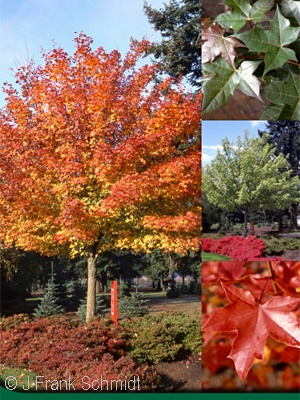
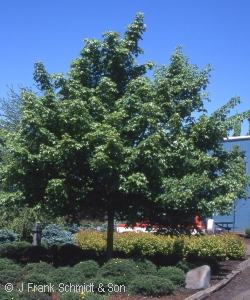
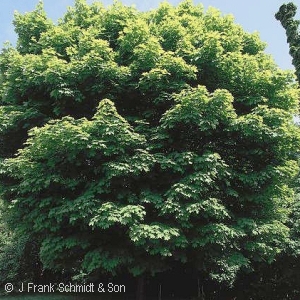
photo courtesy of J. Frank Schmidt
ACER SACCHARUM
Genus: ACER
trademark info Protected Series:
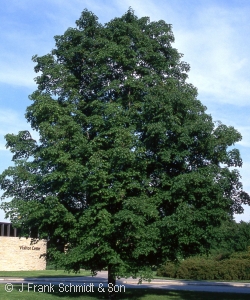
Height: 60 Feet Tall
Spread: 50 Feet Wide
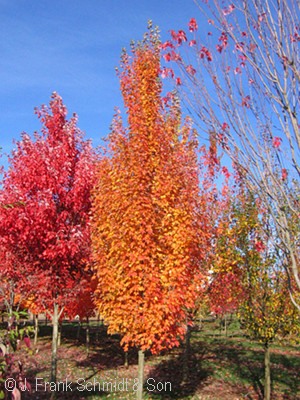
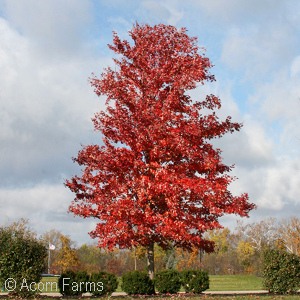
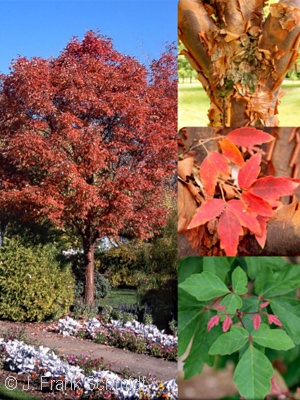
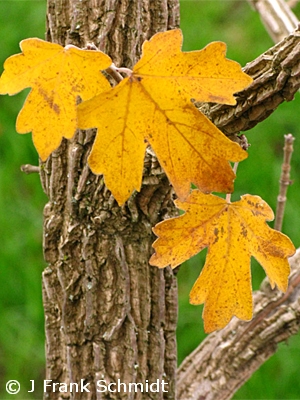
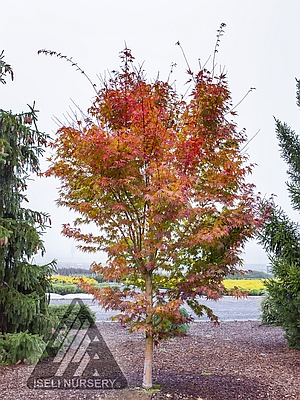
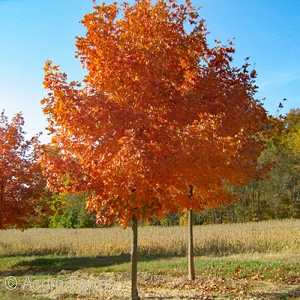
Color: yellow fall color
Full Sun Plants
Full Sun Deciduous Tree Plants
Deciduous Tree
Zone: 3
#0065  
            native *  


SUGAR MAPLE


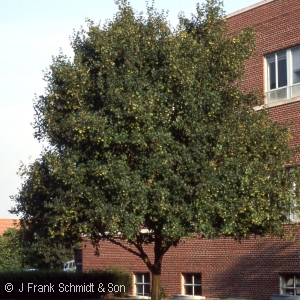
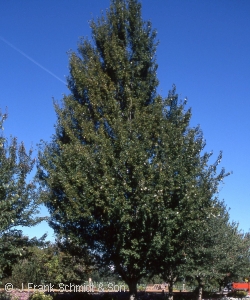
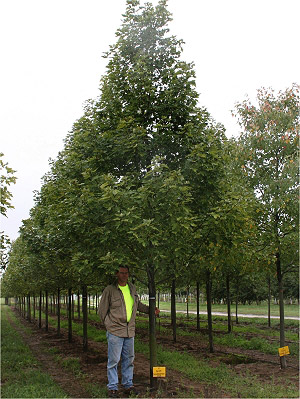
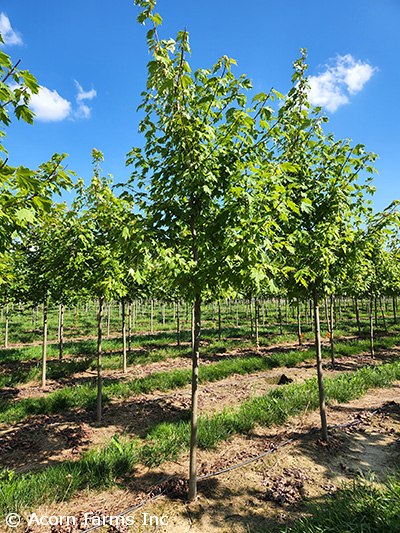
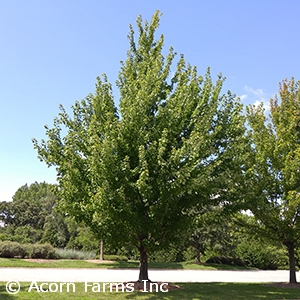
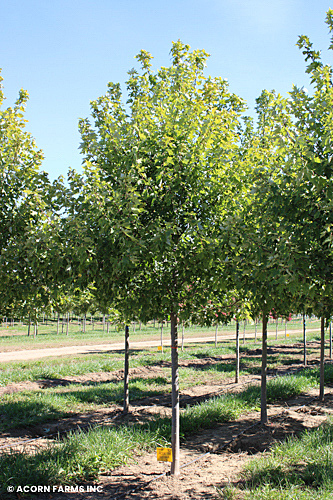
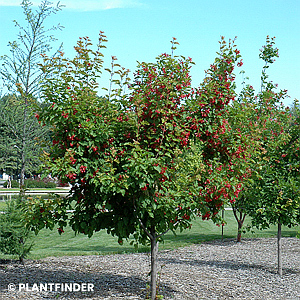
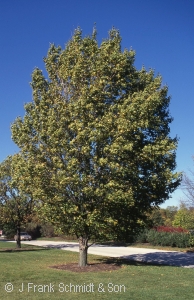
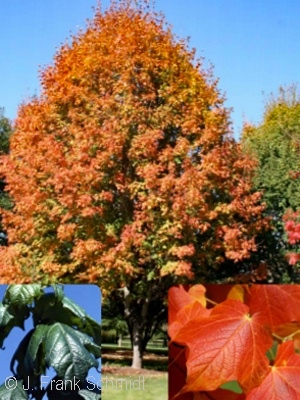
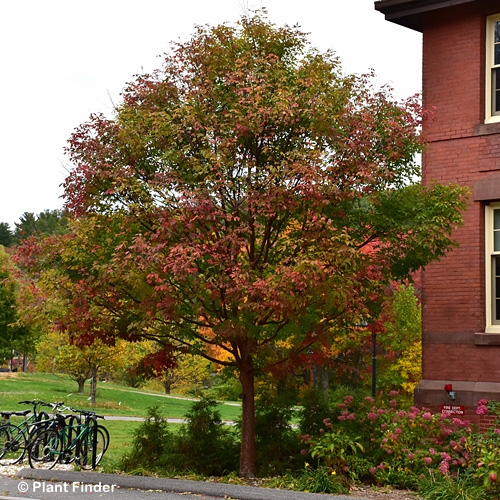
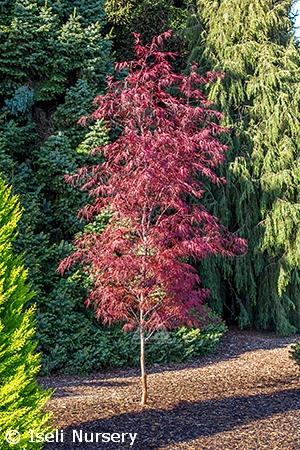
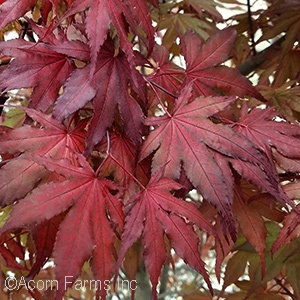
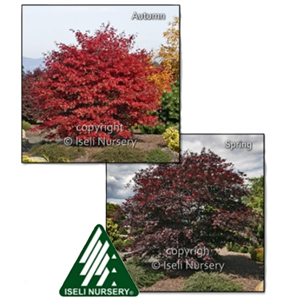
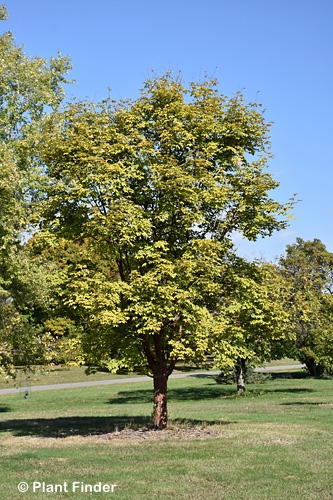
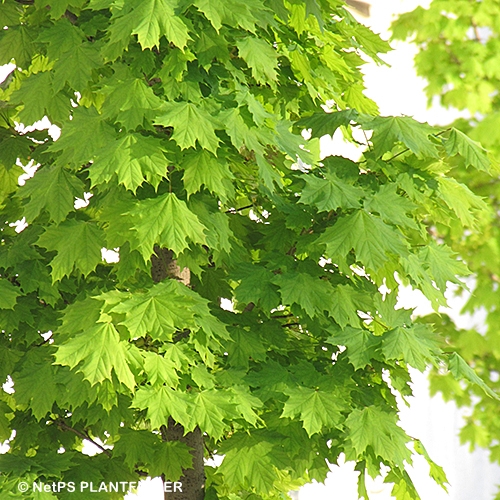
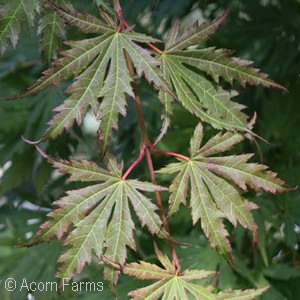
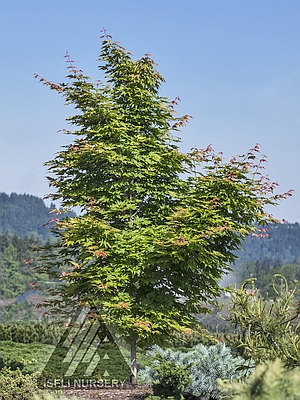
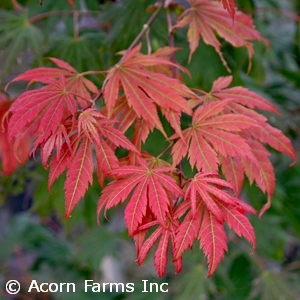
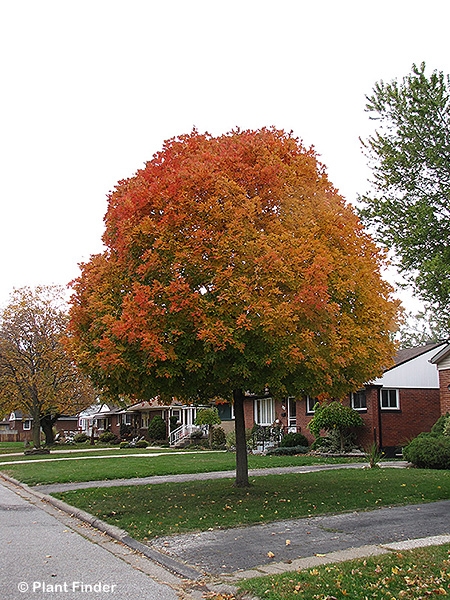
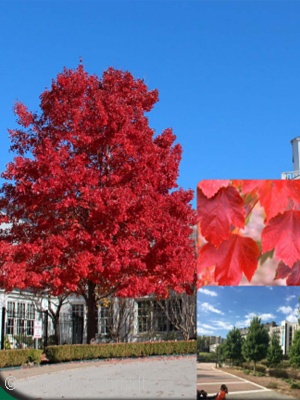
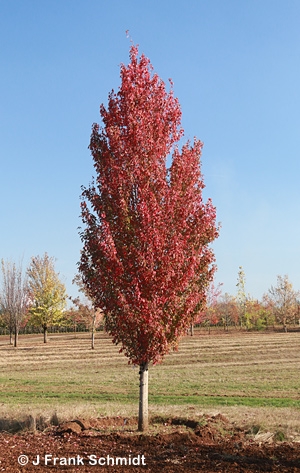
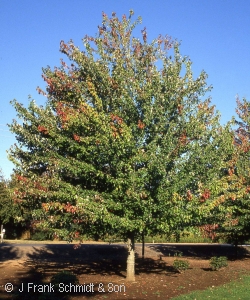
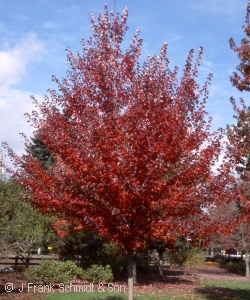
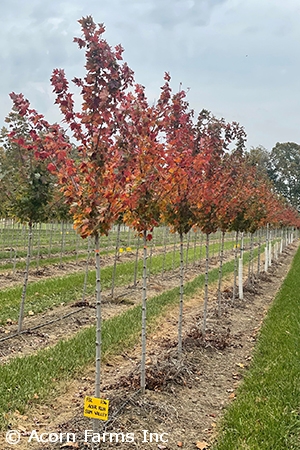
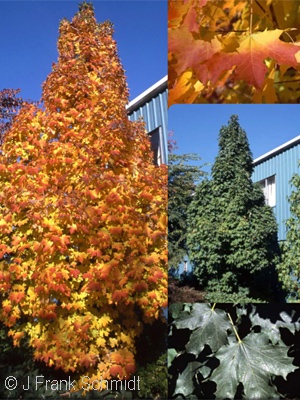
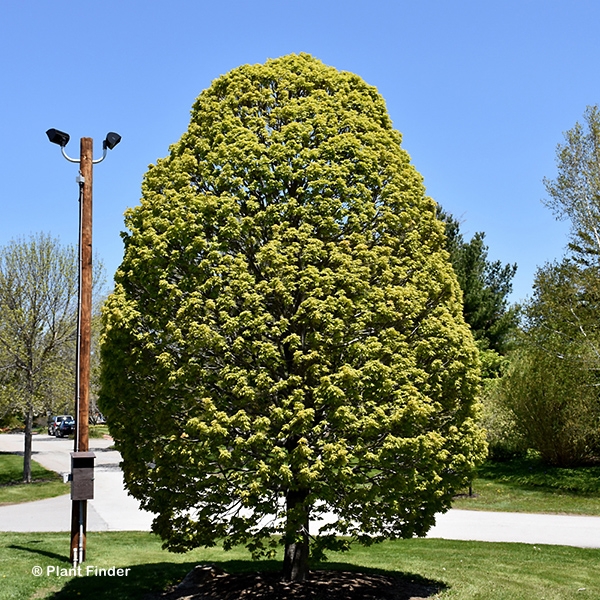
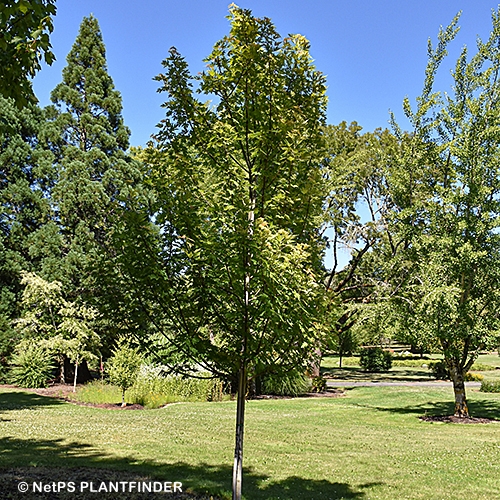
The native sugar maple is a species in the Sapindaceae family. Due to its need to cold winters, the sugar maple is mostly found north, growing in hardiness zones 3-5. Sugar maples are best known for being the primary source for maple syrup and for their vivid color display in autumn. They are best utilized away from crowded or polluted areas. This is a long-lived tree that typically grows for over 200 years!


PLANT SIZE TYPE GALENA ADD'L DIG SOON
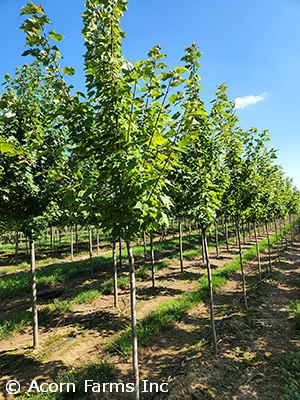
ACER SACCHARUM 1.75 in00480
ACER SACCHARUM 2 in60320
ACER SACCHARUM 2.5 in8000

Current inventory will be listed above this line. This plant will not be in the cart if there is no Galena stock listed. Contact Sales Rep for details. |

KEY:
con = containers - available now
Galena = Above ground and available now
Additional = Remote location, call rep. Not in Shop.
Dig = Still in ground, call rep. Not in Shop (in orange).
Soon = Coming soon, call rep. Not in Shop.

(BBnPOT - formerly known as GRSTART - are B&B put into a container - they are available now)


(Acer) Maple Varieties:
Amur  |   Big Tooth   |   Black   |   Box Elder   |   Full Moon   |   Fernleaf Full Moon   |   Hedge   |   Henry   |   Japanese  |   Japanese-Laceleaf   |   Korean  |   Manchurian   |   Miyabe   |   Norway  |   Paperbark   |   Red   |   Red/Silver   |   Shantung   |   Shebold   |   Shirasawas   |   Silver   |   Striped   |   Sugar   |   Sycamore   |   Tatarian   |   Trident   |   Vine


Planting Tips

To help this plant settle in and thrive, we recommend these standard planting practices: Plant in well-draining acidic soil with a pH between 6.0 and 6.5. Water regularly, but avoid overwatering. Mulch around the base to retain moisture and suppress weeds. Prune in late winter or early spring to maintain shape and promote healthy growth.


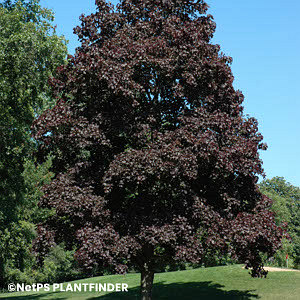
AVAILABLE VARIETIES: