MAGNOLIA VIRGINIANA ACORN FARMS

SWEETBAY MAGNOLIA
MAGNOLIA VIRGINIANA

Magnolia virginiana

photo copyright Acorn Farms Inc
MAGNOLIA VIRGINIANA
Genus: MAGNOLIA
trademark info Protected Series:
Height: 10 Feet Tall
Spread: 10-20 Feet Wide
Color: white flower
Part Sun Shade Plants
Part Sun Shade Deciduous Shrub Plants
Deciduous Shrub
Zone: 5
#1165  
            native *  fragrant *


SWEETBAY MAGNOLIA


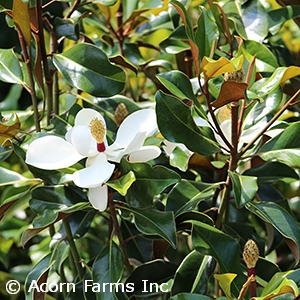
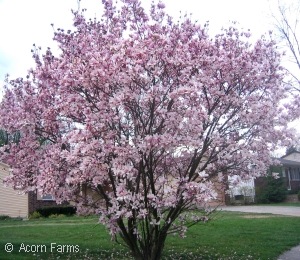
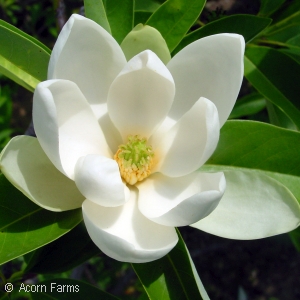
The Sweet Bay Magnolia (also called the Swamp Magnolia, Laurel Magnolia or Beaver Tree) has attractive shiny green, leathery foliage with silver underneath. Foliage is evergreen to semi-evergreen in warmer climates and semi-evergreen to fully deciduous in colder climates.

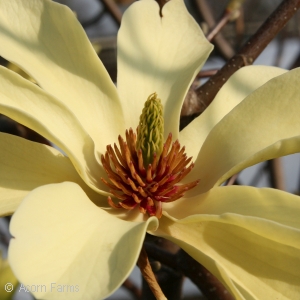
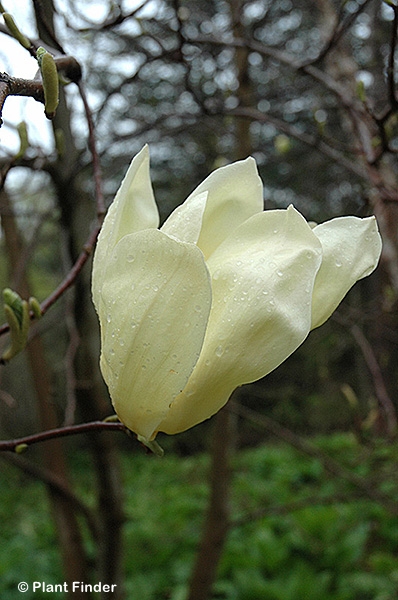
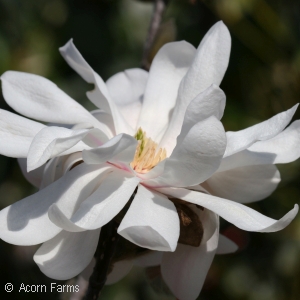
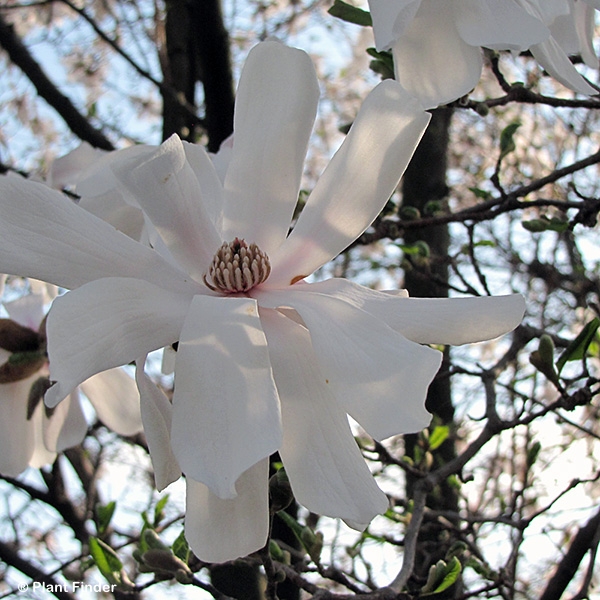
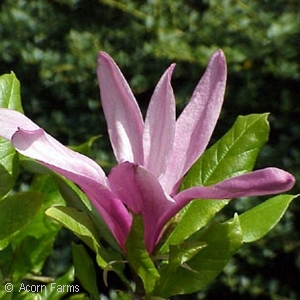
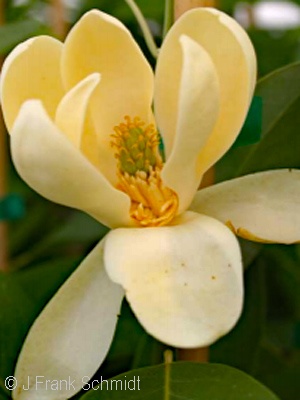
The flowers are creamy white with a sweet, lemony fragrance. They appear mid-spring and may continue sporadically through the summer. Cone-like, aggregate fruits with bright red seeds mature in fall. Excellent specimen tree for the landscape. It will grow in wet soils near swamps, ponds, and streams.


PLANT SIZE TYPE GALENA ADD'L DIG SOON
MAGNOLIA VIRGINIANA 10-12 ft17000
MAGNOLIA VIRGINIANA 5-6 ft33000
MAGNOLIA VIRGINIANA 6-7 ft113000
MAGNOLIA VIRGINIANA 7-8 ft50000
MAGNOLIA VIRGINIANA 8-10 ft59000
MAGNOLIA VIRGINIANA con 539000

Any current Availability will be listed above this line. This item will not be in the cart if there is no Galena stock listed here.

KEY:
con = containers - available now
Galena = Above ground and available now
Additional = Remote location, call rep. Not in Shop.
Dig = Still in ground, call rep. Not in Shop.
Soon = Coming soon, call rep. Not in Shop.

(BBnPOT - formerly known as GRSTART - are B&B put into a container - they are available now)
Magnolia Types:
Cucumber Magnolia  | 
Loebner Magnolia  | 
Saucer Magnolia  | 
Southern Magnolia  | 
Star Magnolia  | 
Sweet Bay Magnolia


Planting Tips

To help this plant settle in and thrive, we recommend these standard planting practices: Plant in well-draining soil with a slightly acidic pH. Water regularly, but avoid overwatering. Mulch around the base to retain moisture and suppress weeds. Prune in late winter or early spring to maintain shape and promote new growth.


Available cultivars in this genus: