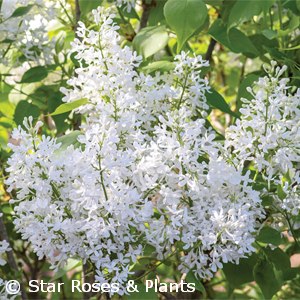
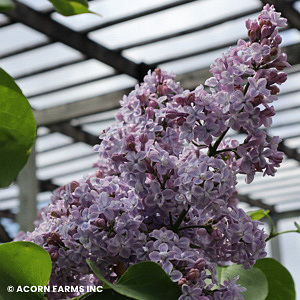
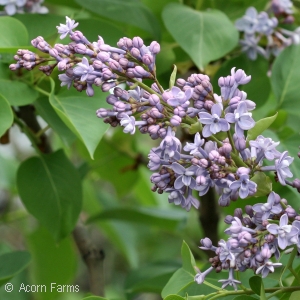
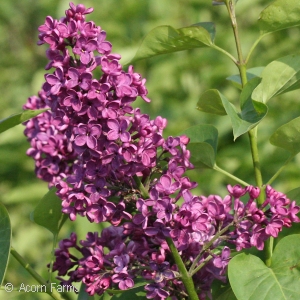
CHARLES JOLY COMMON LILAC
SYRINGA VUL CHARLES JOLY
Syringa vulgaris 'Charles Joly'
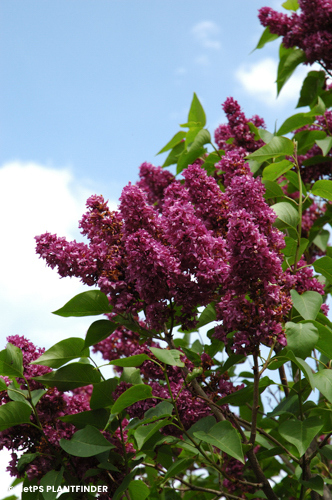
photo courtesy of PlantFinder

Genus: SYRINGA
 Protected Series:
Height: 8-10 Feet Tall
Spread: 8-10 Feet Wide
Color: magenta flower
Full Sun Plants
Full Sun Deciduous Shrub Plants
Deciduous Shrub
Zone: 3
#1416
fragrant *
SYRINGA VUL CHARLES JOLY
Grower Notes:
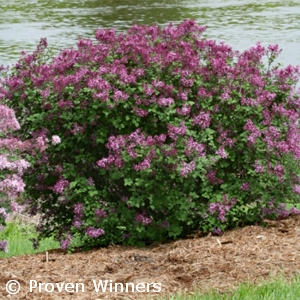
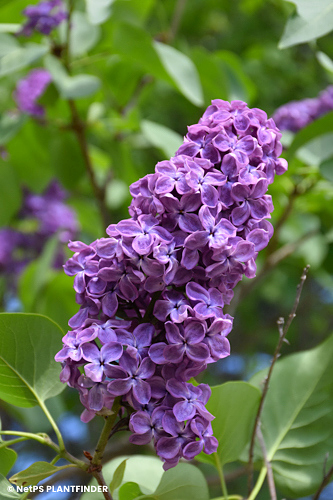
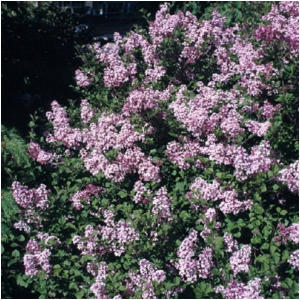
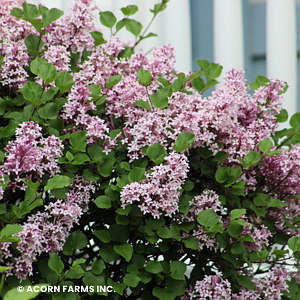
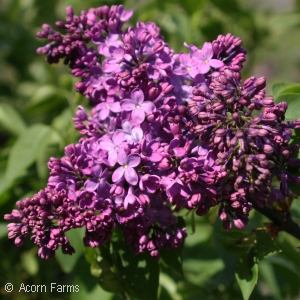
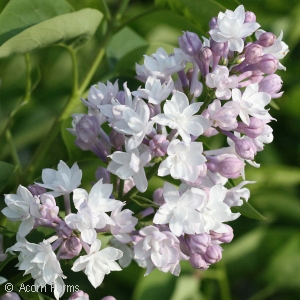
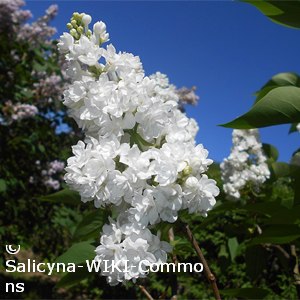
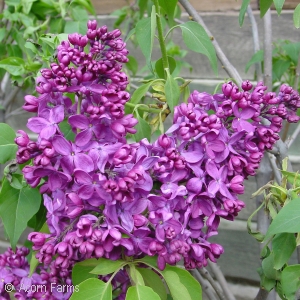
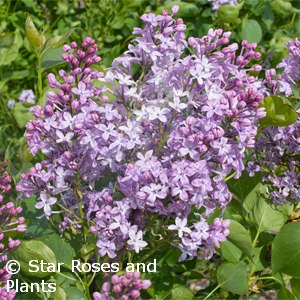
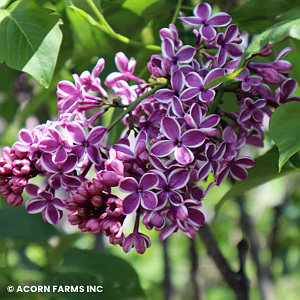
Syringa vulgaris 'Charles Joly' is commonly referred to as Charles Joly Lilac. It is a French Hybrid variety that features an upright, open-branched habit with smaller panicles of purple buds that open to fragrant, magenta double flowers in mid May.
Charles Joly Common Lilac thrives in cooler summer climates. It enjoys full sun in rich, fertile, evenly moist, well-drained soils. Flowers are formed on previous season's growth. It is ideal as a specimen planting, foundations or borders.
| PLANT | SIZE | TYPE | GALENA | ADD'L | DIG | SOON |
| SYRINGA VUL CHARLES JOLY | con 5 | 50 | 0 | 0 | 91 |
Any current Availability will be listed above this line. This item will not be in the cart if there is no Galena stock listed here.
Click for Availability column information and meaning
KEY:
con = containers - available now
Galena (Ready to Go!) Plants that are above ground and available now
Additional (More Plants!) Plants are not in Galena, but in a remote location which is easily accessible. Call your rep for info. They will not be in the Shop.
Dig (In-Ground Field) Plants are still in the ground. Please call your sales rep to place a Dig Order. They will not be in the Shop.
Soon (Coming Soon) Plants are not quite ready but coming soon. Call your rep to inquire. They will not be in the Shop.
(BBnPOT - formerly known as GRSTART - are B&B put into a container - they are available now)
Syringa (Lilac) Varieties: Dwarf Korean - Meyer Lilacs | Hybrid Lilacs | Japanese Tree Lilacs | Peking Tree Lilacs | Persian Lilacs | Preston Lilacs | Old Fashioned Lilacs | Bloomerang Lilacs
Available cultivars in this genus: