KARL FOERSTER FEATHER REED GRASS
CALAMAGROSTIS ACU KAR FOERSTER
Calamagrostis x acutiflora 'Karl Foerster'
photo courtesy of Bailey Nursery
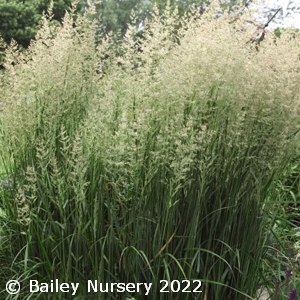

Genus: CALAMAGROSTIS
 Protected Series:
Height: 4-5 Feet Tall
Spread: 3-4 Feet Wide
Color: tan plume
Full Sun Plants
Full Sun Grass Plants
Grass
Zone: 4
#4131
deer resistant *
CALAMAGROSTIS ACU KAR FOERSTER
Grower Notes:
Upright clumping grass with wheat-like seed heads that appear in June and last all season.

| AVAILABLE | SIZE | TYPE | GALENA | STORAGE |
| CALAMAGROSTIS ACU KAR FOERSTER | TRADE 1 | 40 | 0 | CALAMAGROSTIS ACU KAR FOERSTER | con 1 | 511 | 0 | CALAMAGROSTIS ACU KAR FOERSTER | con 2 | 617 | 0 | CALAMAGROSTIS ACU KAR FOERSTER | con 3 | 175 | 0 | CALAMAGROSTIS ACU KAR FOERSTER | con 5 | 115 | 0 |
Any current Availability will be listed above this line. This item will not be in the cart if there is no Galena stock listed here.
Click for Availability Key and additional Info.
KEY:
con = containers - available now
Galena are available now
Storage Storage trees are not in Galena. They are in a remote location. Please call your sales rep to order. They are not in the Shop.
(BBnPOT - formerly known as GRSTART - are B&B put into a container - they are above-ground and available now)