CITY SLICKER® BIRCH
BETULA NIG CITY SLICKER
Betula nigra 'City Slicker' PP16573 ('Whit XXV')
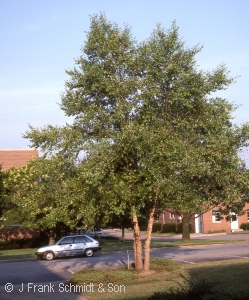
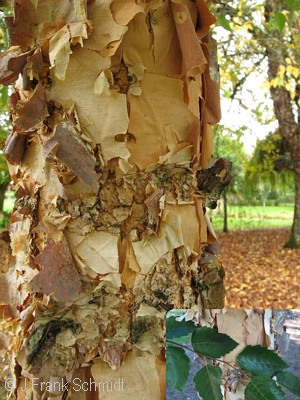
photo courtesy of J. Frank Schmidt

Genus: BETULA
 Protected Series:
Height: 35 Feet Tall
Spread: 20 Feet Wide
Color: yellow fall color
Full Sun Plants
Full Sun Deciduous Tree Plants
Deciduous Tree
Zone: 4
#0238
exfoliating bark *
BETULA NIG CITY SLICKER
Grower Notes:
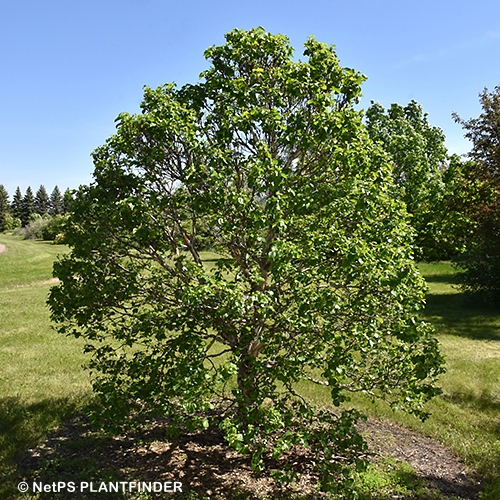
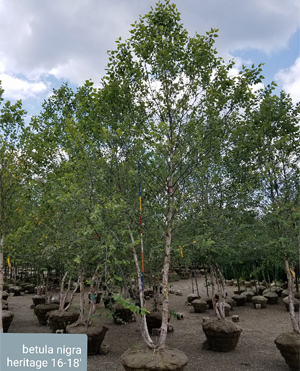
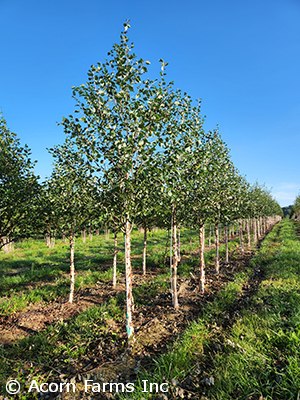
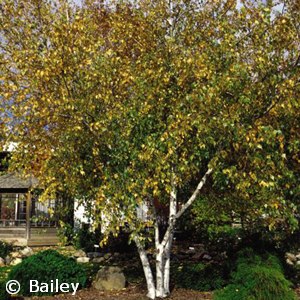
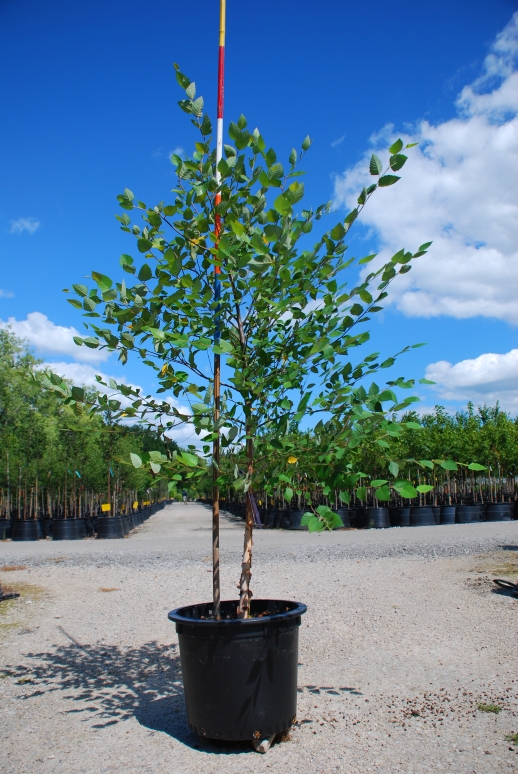
The City Slicker® birch is an easy to grow, low maintenance, broadly pyramidal, deciduous tree with unique exfoliating bark. This popular cultivar is a natural sport of Betula nigra and noteworthy for its creamy white, paper-like, exfoliating bark and glossy, dark green foliage that turns golden yellow in fall. The City Slicker® is deer resistant, fast growing, and can be drought tolerant once established. This adaptable cultivar is highly recommended as an accent or shade tree.
| PLANT | SIZE | TYPE | GALENA | ADD'L | DIG | SOON |
| BETULA NIG CITY SLICKER | 10-12 ft | 1 | 0 | 0 | 0 | BETULA NIG CITY SLICKER | 2.5 in | 1 | 0 | 0 | 0 | BETULA NIG CITY SLICKER | 3 in | 2 | 0 | 0 | 0 | BETULA NIG CITY SLICKER | 3.5 in | 1 | 0 | 0 | 0 | BETULA NIG CITY SLICKER | con 15 | 6 ft | 0 | 0 | 0 | 50 |
Any current Availability will be listed above this line. This item will not be in the cart if there is no Galena stock listed here.
Click for Availability column information and meaning
KEY:
con = containers - available now
Galena (Ready to Go!) Plants that are above ground and available now
Additional (More Plants!) Plants are not in Galena, but in a remote location which is easily accessible. Call your rep for info. They will not be in the Shop.
Dig (In-Ground Field) Plants are still in the ground. Please call your sales rep to place a Dig Order. They will not be in the Shop.
Soon (Coming Soon) Plants are not quite ready but coming soon. Call your rep to inquire. They will not be in the Shop.
(BBnPOT - formerly known as GRSTART - are B&B put into a container - they are available now)
Betula (Birch) Types:
Himalayan Birch | Japanese White Birch | Paper Birch | River Birch | Sweet Birch | Weeping Birch | Yellow Birch
Plants with Exfoliating Bark
Deciduous Trees
Available cultivars in this genus: